
Bread stales because starch molecules crystallize and moisture moves out, making it dry and crusty. Heating can temporarily soften it by rehydrating starch and redistributing moisture, but it can’t restore the original fresh flavor or fully reverse staling. Overheating may dry it out more or ruin its texture. To truly keep bread fresh longer, proper storage matters. If you want to discover effective techniques, keep exploring how heat influences bread’s lifespan and texture.
Key Takeaways
- Heat can temporarily soften bread by redistributing moisture and disrupting hardened starch structures.
- Reheating cannot restore original flavor or reverse all staling processes.
- Overheating may dry out bread or make it rubbery, reducing quality.
- Proper storage methods, like freezing or using bread boxes, are more effective for prolonging freshness.
- Heat alone cannot fix mold or overly dry bread; it’s best used with proper handling and storage techniques.

Gifhomfix Bread Box Bread Boxes for Kitchen Counter Airtight, Time Recording Bread Storage Container with Lid, Bread Keeper for Homemade Bread, Toast, Bagel, Donut and Cookies, Grey
Bread Container with Time Recording: This bread saver is designed with a time recording dial, clearly record food…
As an affiliate, we earn on qualifying purchases.
As an affiliate, we earn on qualifying purchases.
Why Does Bread Go Stale? The Science Explained
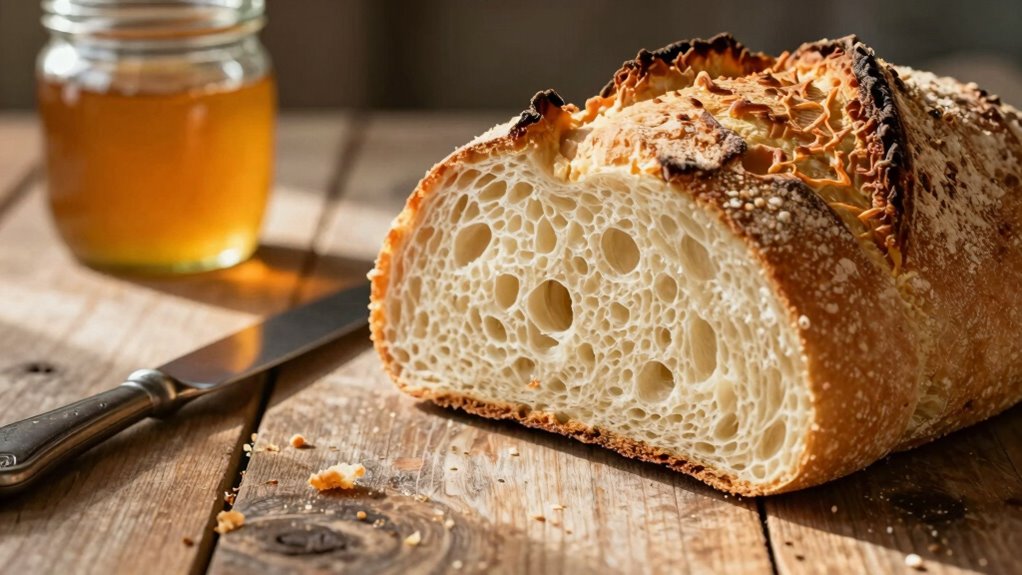
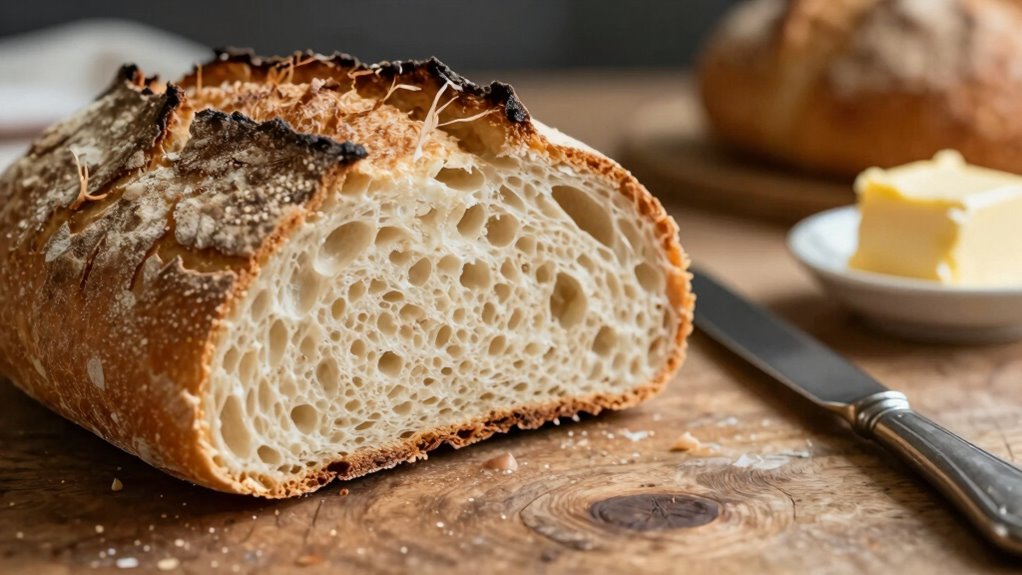
Have you ever wondered why bread becomes tough and dry over time? The answer lies in bread chemistry and the staling process. When bread cools after baking, starch molecules undergo a transformation called retrogradation, where they recrystallize and lose moisture. This change causes the bread’s crumb to firm up and become less tender. The staling process accelerates as moisture migrates from the bread’s interior to the surface, evaporating into the air. Proteins and sugars also play a role, affecting texture and flavor over time. Fundamentally, staling isn’t just about drying out; it’s a complex series of molecular changes that alter bread’s structure, making it less fresh and more crumbly. Color accuracy impacts the perception of freshness and visual appeal, subtly influencing how we perceive bread quality. Understanding this process helps you grasp why bread loses its softness as it ages. Additionally, certain moisture retention techniques can slow down this process and help maintain bread’s freshness longer. Exploring preservation methods can provide further insights into extending bread’s shelf life.
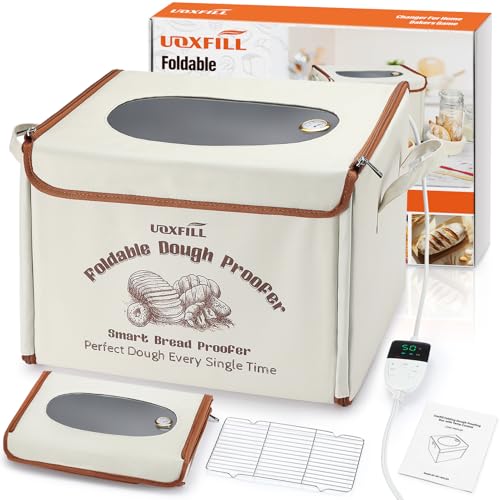
Folding Bread Proofing Box with Temp Control(50-122℉) & 48H Timer, Dough Proofer with Metal Rack, Proofing Box for Sourdough, Bread Baking, Pizza, Yogurt, Kombucha, Space-Saving & Easy to Use
[Fast&Even Heating]: Our bread sampling box has 3 heating zones (front, back, and bottom) that can heat evenly…
As an affiliate, we earn on qualifying purchases.
As an affiliate, we earn on qualifying purchases.
How Does Heat Affect Bread’s Texture and Freshness
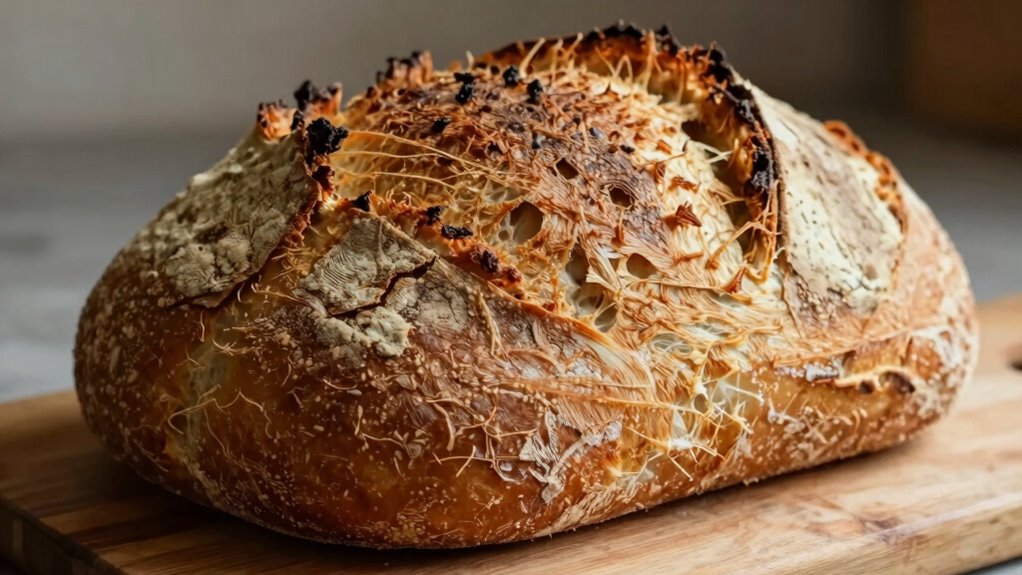
As bread cools and stales through molecular changes, applying heat can temporarily reverse some of these effects and alter its texture and freshness. Heating can soften the bread by rehydrating the starch and disrupting the hardened structure caused by staling. However, heat also influences microbial growth; higher temperatures may promote mold or bacteria if the bread is left out too long. Additionally, heat can cause flavor alteration, sometimes making stale bread taste different or slightly off. While warming can improve the mouthfeel and make bread seem fresher temporarily, it doesn’t undo the underlying chemical changes. Instead, it masks staleness, giving you a fleeting sense of freshness before the bread begins to spoil or dries out again. Understanding how heat impacts microbial activity is important for safe storage and consumption. Moreover, temperature regulation is crucial in preventing microbial growth, which can lead to spoilage or health risks. Proper storage conditions help maintain bread’s quality and reduce the risk of foodborne illnesses, especially since temperature control plays a key role in managing microbial activity. Managing storage temperature effectively is essential for prolonging bread’s freshness and safety.
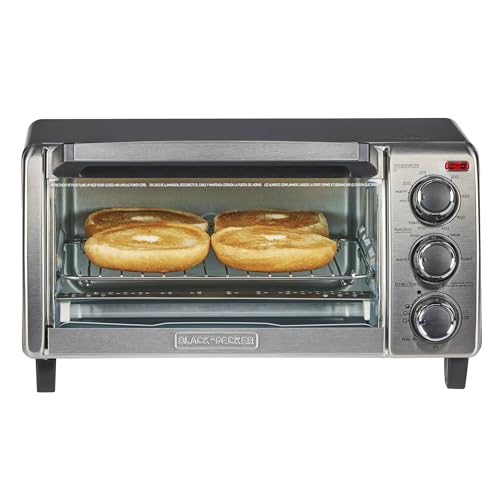
BLACK+DECKER TO1313SBD Toaster Oven, 15.47 Inch, Silver
ACCOMMODATES 9-INCH PIZZA OR 4 SLICES OF BREAD – Designed to maximize utility within a compact footprint, the…
As an affiliate, we earn on qualifying purchases.
As an affiliate, we earn on qualifying purchases.
Can Heating Revive Stale Bread? What Works and What Doesn’t
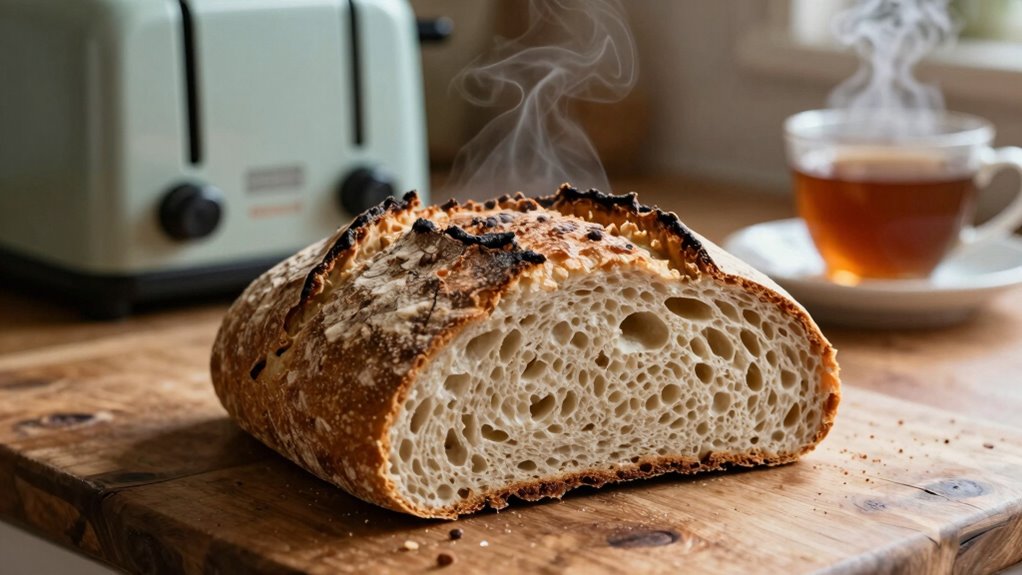
Heating can temporarily improve the texture of stale bread, making it feel softer and more palatable. This process modifies the bread’s structure, often restoring a bit of moisture and improving mouthfeel. While heating can provide some flavor enhancement by releasing aroma compounds, it doesn’t truly restore freshness or restore original flavor quality. For texture modification, warming bread can make it seem fresher, but this effect is short-lived. You might notice a slight improvement in softness, but the bread won’t regain the same moistness or crumb structure as when fresh. Keep in mind, heating alone won’t fix the underlying staling caused by starch crystallization. So, while you can temporarily revive stale bread with heat, it’s no substitute for proper storage or more effective refresh methods. Proper storage is key to preventing bread from becoming stale in the first place.
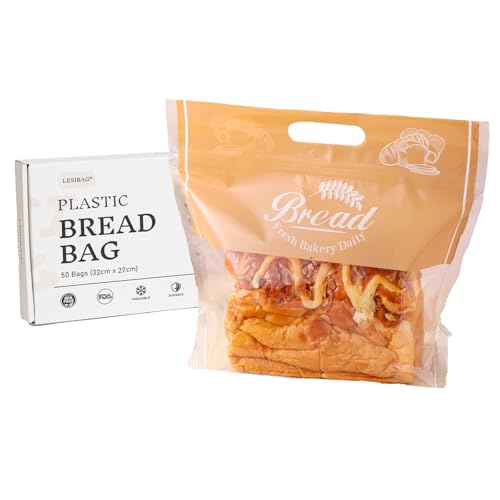
Lesibag Plastic Bread Bags for Homemade Bread, Freezable Seal Tight Cellophane Bags for Loaves, Sourdough,Bagels (50 Packs) Orange
【Safe & Food Grade Material】This portable zipper toast bag is made up of BPA FREE approved raw materials….
As an affiliate, we earn on qualifying purchases.
As an affiliate, we earn on qualifying purchases.
Best Methods to Refresh or Resuscitate Stale Bread
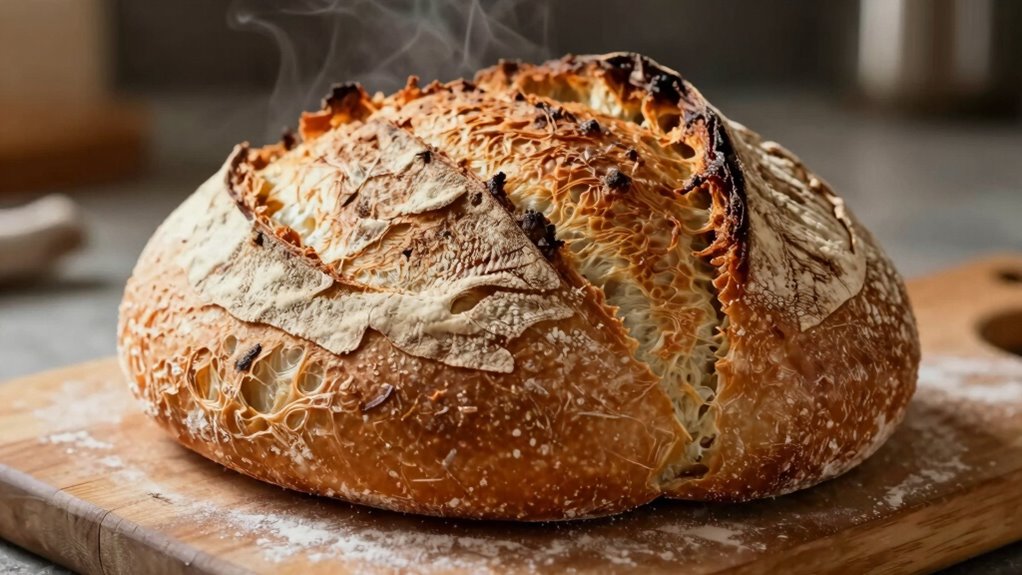
To effectively refresh stale bread, combining simple techniques often yields the best results. One effective method is lightly reheating the bread in an oven or toaster oven, which helps restore its bread texture by redistributing moisture. Wrapping the bread in a damp towel before reheating can enhance this effect. This process also slightly improves bread flavor, making it more appealing. Avoid microwaving for too long, as it can make the bread rubbery and further compromise its texture. For a quick fix, steaming the bread briefly can also revive its moistness and improve bread flavor. Remember, these methods work best when the bread isn’t too old. Proper reheating restores the bread’s original qualities, making it more enjoyable to eat. Additionally, understanding the effects of heat on bread can help you choose the most suitable method for revitalizing different types of stale bread. Recognizing how heat transfer impacts bread’s texture can guide you in selecting the optimal reheating technique. Applying the right moisture retention techniques during reheating can prevent the bread from drying out again. Incorporating cultural practices such as traditional steaming methods used by Indigenous communities can also enhance the process and connect you to age-old wisdom. Being mindful of temperature control during reheating ensures you don’t inadvertently ruin the bread’s texture or flavor.
How to Store Bread Properly to Prevent Staling
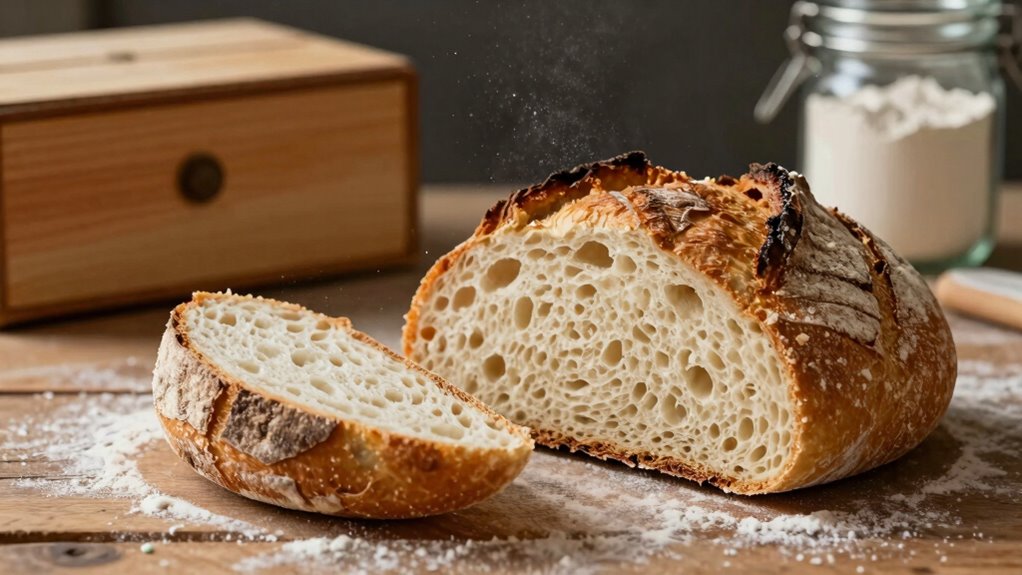
Properly storing bread is essential to keep it fresh and prevent it from going stale too quickly. To do this, choose the right bread storage method based on how long you plan to keep it. For short-term storage, keep bread in a paper bag or a bread box to allow some airflow, which helps prevent mold prevention while maintaining crust quality. If you need to store bread for longer, consider freezing it in an airtight container or a plastic bag, then thaw as needed. Avoid storing bread in the fridge, as it accelerates staling. Always keep bread away from moisture to prevent mold growth. Proper storage not only preserves freshness but also minimizes mold risk, ensuring you enjoy your bread longer without sacrificing quality. Additionally, using airtight containers can help maintain optimal moisture levels during freezing, further extending freshness. Regularly inspecting stored bread can also help catch any early signs of spoilage before it worsens. Incorporating a proper storage method can significantly improve the bread’s shelf life and overall quality. Implementing these techniques can also help prevent moisture buildup, which is a common cause of mold and spoilage.
When to Use Heat and When to Skip It for Bread Preservation
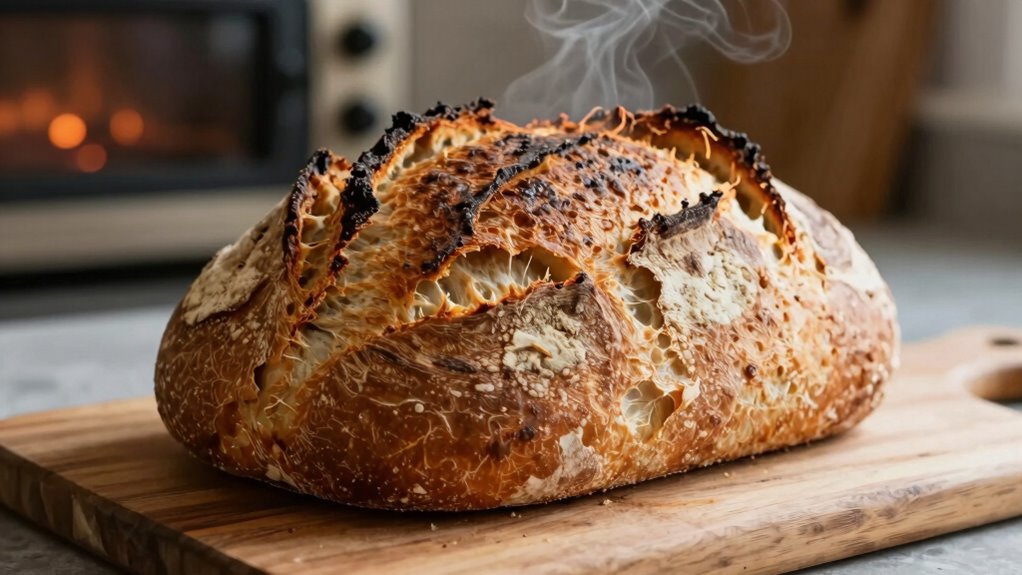
Knowing when to apply heat to bread can make a big difference in preserving its texture and freshness. Use heat when bread is slightly stale but still soft enough to benefit from oven reheating, which restores crust and crumb. Avoid heat if bread is overly dry or moldy, as it won’t fix these issues. Consider microwave revival for quick moisture restoration when you’re in a hurry—just be careful not to overheat and make it rubbery. Additionally, some smart kitchen appliances with adaptive heating features can help you precisely control the reheating process for optimal results. Proper reheating techniques can prevent bread from becoming soggy or tough, ensuring it remains enjoyable. When maintaining bread’s freshness, understanding the appropriate heat application can reduce waste and extend its edible life. Having knowledge of upfitting fundamentals can also assist in selecting the right equipment or methods to preserve baked goods effectively.
Frequently Asked Questions
Can Freezing Bread Prevent It From Going Stale?
Yes, freezing bread can prevent it from going stale and mold. When you freeze bread, you slow down the staling process and inhibit mold growth by stopping moisture and bacteria from spreading. To maximize freshness, wrap the bread tightly before freezing. Just remember to consume it within a few months for the best taste and texture, and reheat or toast it straight from the freezer for a fresh-baked feel.
What Role Do Humidity Levels Play in Bread Staling?
Humidity levels considerably influence bread staling by affecting moisture migration. When humidity is high, bread absorbs excess moisture, making it feel soft temporarily but increasing mold growth risk. Low humidity causes moisture to escape, leading to dryness and staling. You should store bread in a cool, dry place to slow moisture migration, which helps prevent staling and mold growth, keeping your bread fresh longer.
Is It Better to Reheat Bread in the Oven or Microwave?
You should choose oven reheating for the best texture, but if you’re in a hurry, microwave reheating works too. Microwaves tend to make bread rubbery, so it’s not ideal for preserving freshness. Oven reheating evenly warms the bread, restoring its crust and soft interior. While microwave reheating is quick, it can compromise quality, so for a satisfying bite, go with oven reheating when you can.
How Does Bread Type Influence Its Staling Process?
You’ll notice that bread type considerably influences staling because of its bread composition. For example, crusty baguettes tend to stale faster due to their crispy crust, which loses moisture quickly, while softer bread with higher moisture content stays fresh longer. The crust properties also matter—thick or chewy crusts can slow moisture loss, but once moisture escapes, staling accelerates. So, choose your bread type based on how quickly you want it to stay fresh.
Are There Natural Additives That Slow Down Bread Staling?
You can slow down bread staling by using natural preservatives like vinegar or ascorbic acid, which act as enzymatic inhibitors. These additives help maintain freshness by slowing starch retrogradation. You might also consider natural enzymes or ingredients such as honey or lemon juice, which can extend shelf life. Incorporating these options allows you to keep your bread softer and fresher longer without relying on artificial preservatives.
Conclusion
Understanding the delicate dance of bread’s staling helps you become its master. While heat can temporarily coax softness back to stale bread, it’s like trying to revive a fading melody—you can’t restore its original harmony completely. Proper storage acts as a guardian, keeping freshness alive like a hidden treasure. So, choose your moments wisely: let heat be a gentle whisper of renewal, but trust proper storage to preserve your bread’s true, fleeting poetry.