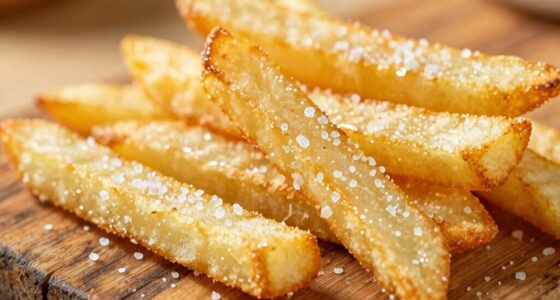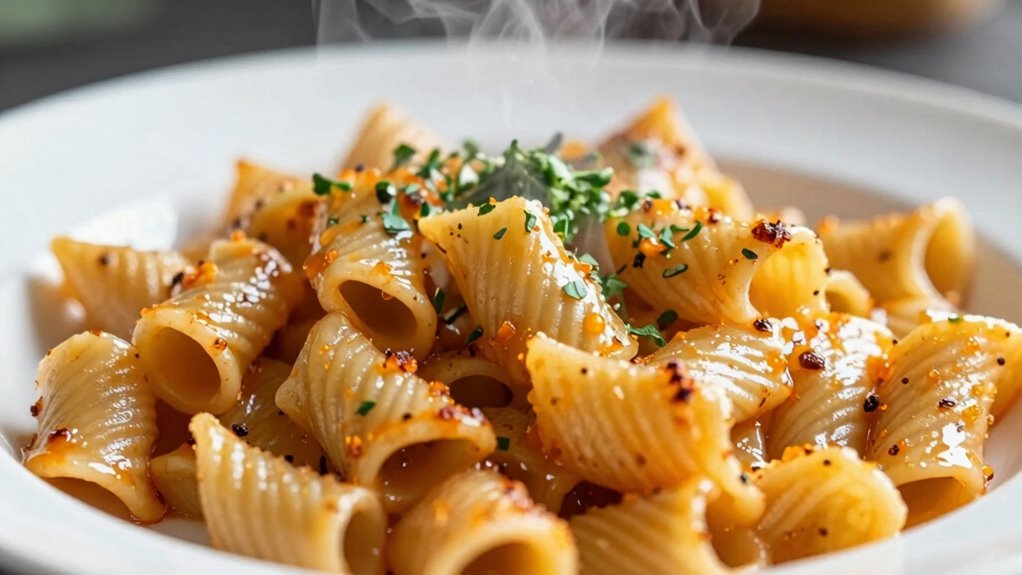

To bring back fresh texture when reheating, focus on controlling heat and choosing the right method. Use low to medium heat, stir or rotate food often, and cover dishes to retain moisture. Avoid high temperatures that cause dryness or sogginess. Techniques like oven or air frying help preserve crispness, while proper containers prevent uneven heating. If you want to learn the science behind these tips and how to perfect your reheating skills, continue exploring the details below.
Key Takeaways
- Proper reheating techniques, such as low to medium heat and even stirring, help preserve food’s original texture.
- Using appropriate containers and covering food prevents moisture loss and maintains crispness.
- Understanding heat impact on moisture and structure allows for adjustments that restore freshness.
- Avoiding overheating and uneven heating prevents sogginess and dryness in leftovers.
- Quick hacks like reheating in the oven or skillet and adding fresh herbs can revive texture and flavor.
Why Reheating Leftovers Isn’t Just About Heating
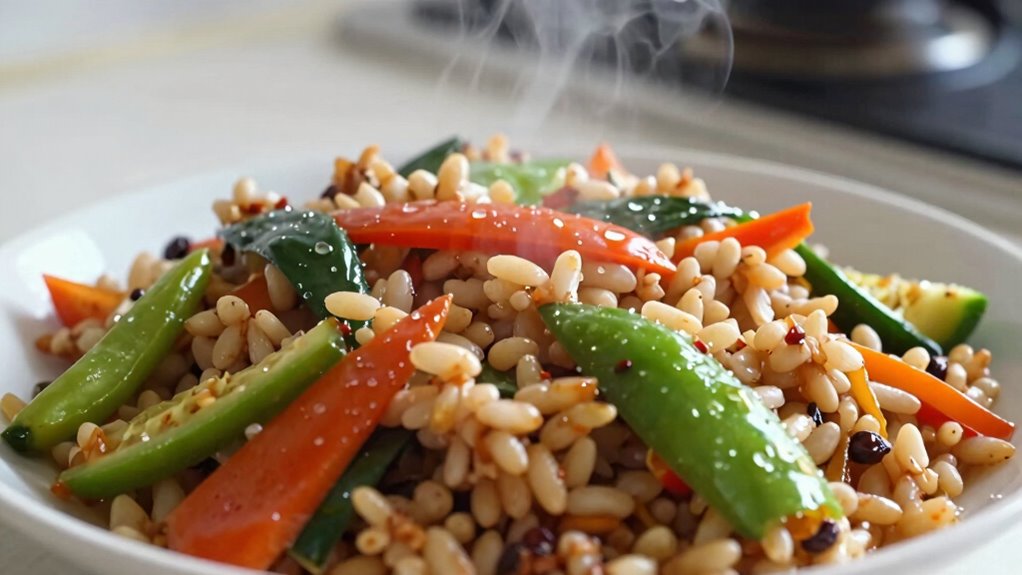
When you reheat leftovers, it’s not just about making food hot enough to eat; there’s more at stake. Proper reheating helps preserve flavor, ensuring your meal tastes just as good as when it was fresh. It also plays a vital role in nutrient retention, so you get the maximum health benefits from your food. Overheating can cause flavors to fade or become bitter, while uneven heating might leave parts undercooked, risking food safety. To maintain both flavor and nutrients, you need to reheat carefully, using the right temperature and methods. This attention to detail helps you enjoy leftovers without sacrificing taste or nutrition, making your meal more satisfying and healthful. Reheating isn’t just about safety—it’s about preserving food quality. Proper reheating techniques ensure optimal results and can extend the shelf life of your leftovers. Additionally, understanding temperature control and employing even heating methods can help prevent nutrient loss and ensure thorough heating throughout the dish. Moreover, using appropriate containers can facilitate more even heat distribution and better preservation of the food’s original texture.
How Heat Changes the Texture and Moisture of Your Food
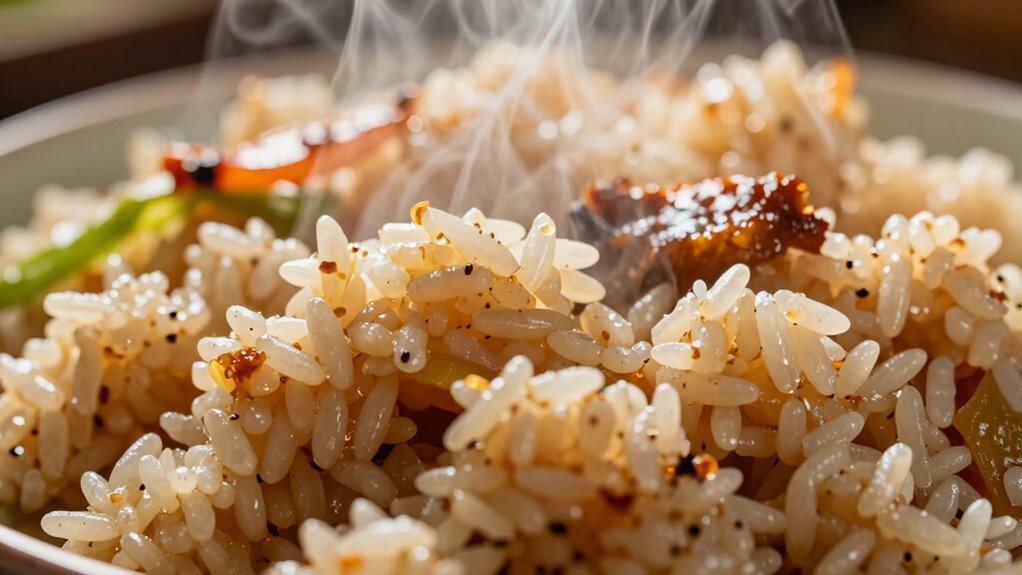
Heat considerably alters the texture and moisture of your food, often transforming its original consistency. When you reheat, the structure of proteins, starches, and fibers changes, affecting texture preservation. For example, crispy foods tend to become soggy, while firm textures may turn mushy if exposed to too much heat. Moisture retention is also affected; heat causes water to evaporate or migrate, drying out some foods or creating steam that can make others soggy. To maintain appealing textures, controlling the reheating process is key. Gentle heating helps preserve the original feel, while rapid or uneven heating can cause loss of moisture and texture degradation. Proper reheating techniques can make a significant difference in maintaining food texture and moisture. Additionally, using thermal conduction efficiently ensures even heat distribution, reducing the risk of texture loss. Being mindful of the heat transfer process allows for better control over how the food’s moisture and structure respond during reheating. Moreover, understanding the energy transfer involved can help optimize reheating methods for different types of food.
The Biggest Mistakes That Soggy or Dry Out Leftovers
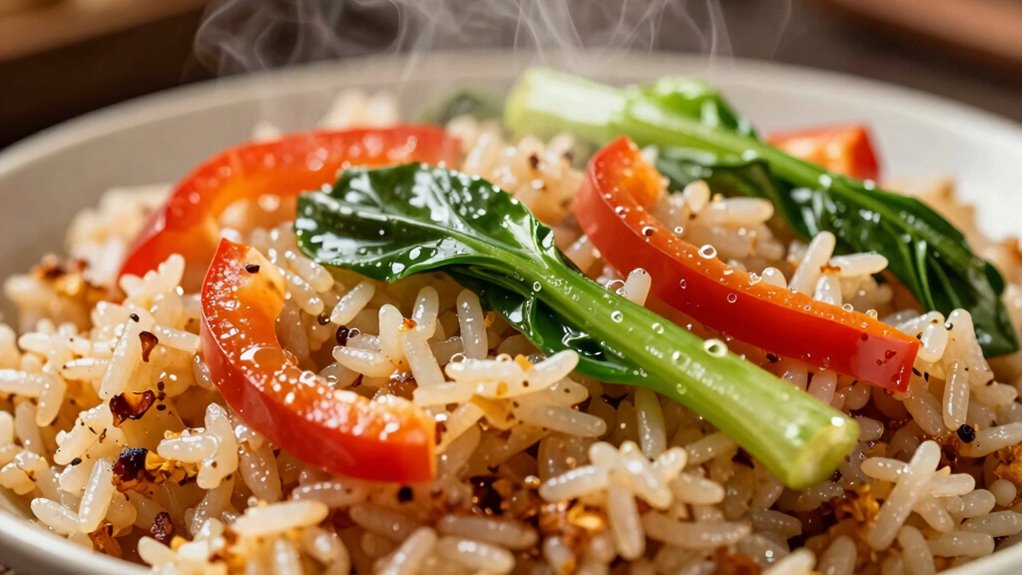
One of the biggest mistakes people make when reheating leftovers is using too high a temperature or uneven heat, which can quickly dry out food or make it soggy. To avoid this, pay attention to your plate arrangement; spreading out food evenly helps heat circulate better, preventing hot spots. Overheating can also cause moisture loss, leading to dryness. Conversely, insufficient heating can leave leftovers damp and soggy. Be sure to adjust seasonings after reheating—sometimes flavors fade or become dull, and seasoning adjustments can restore taste. Proper plate arrangement ensures even warming, while mindful seasoning restores flavor balance. Additionally, understanding the importance of temperature control can help maintain the food’s original texture and taste. Using consistent heat distribution techniques can further prevent uneven reheating and preserve food quality. Employing proper reheating methods, such as gentle steaming or low-temperature oven reheating, can significantly improve results and help maintain the food’s original fresh texture and flavor. Incorporating proper equipment like microwave turntables or covered cookware can also promote even heat distribution. For dishes that are prone to dryness, such as meats or baked goods, choosing the correct reheating method is essential to preserve moisture and texture. Steady, moderate heat and thoughtful presentation are key to maintaining the original texture and taste of your leftovers.
Best Techniques and Tools to Keep Your Food Crispy and Juicy

To keep your leftovers crispy and juicy, choosing the right techniques and tools makes all the difference. Using methods like oven reheating or air frying helps preserve flavor and texture, ensuring your food stays appealing. A convection oven circulates hot air evenly, maintaining moisture while crisping the exterior, which aids in flavor preservation and nutrient retention. Avoid microwave reheating for crispy textures, as it often creates sogginess. Instead, use a skillet or stovetop for quick reheating, which allows you to control heat and moisture better. Investing in a food thermometer ensures you’re reheating to safe temperatures without overcooking, protecting nutrients. These tools and techniques keep your food flavorful, juicy, and crisp, making leftovers almost as good as fresh. Additionally, proper ventilation considerations can help maintain the optimal environment for reheating and preserving your food’s texture and quality. Incorporating smart kitchen appliances with connected technology can further enhance your reheating process by providing precise control and monitoring. Understanding reheating best practices can help you avoid common pitfalls and achieve the perfect texture every time. Moreover, selecting the right reheating equipment tailored to your specific foods can streamline your process and improve results. Utilizing smart appliances can optimize reheating settings and improve energy efficiency, ensuring better outcomes.
Reheating Tips for Different Types of Leftovers
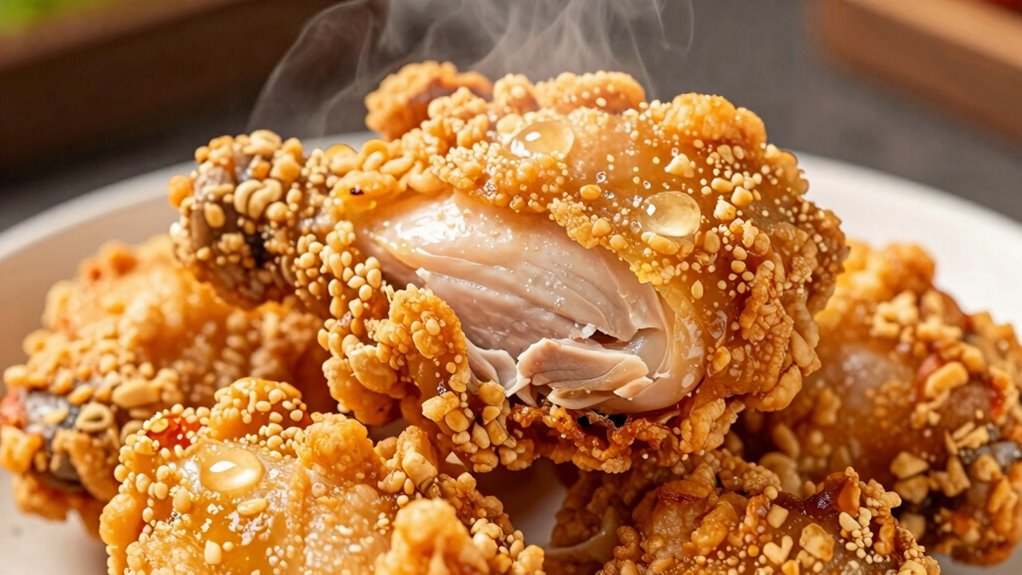
To reheat leftovers effectively, you need to modify your settings based on the food type. Using the right containers helps heat evenly and prevents spills or soggy textures. Keep these tips in mind to ensure your leftovers come out fresh and flavorful every time. Understanding the science of reheating can also help you optimize your methods for better results. Additionally, considering the thermal properties of foods can guide you in choosing the appropriate reheating techniques for different dishes. Being aware of heat transfer mechanisms can further enhance your reheating effectiveness and prevent quality loss. Recognizing food safety considerations during reheating is essential to avoid bacterial growth and ensure your leftovers are safe to eat. Knowing how microwave energy interacts with various foods can also improve your reheating success.
Adjust Reheat Settings
Adjusting your reheat settings is essential to guarantee leftovers warm evenly without overcooking or drying out. To do this effectively, consider these tips:
- Use the right microwave power—set it to medium or medium-high for moist foods to prevent drying.
- Adjust oven temperature—lower it slightly for dense dishes like casseroles, ensuring thorough heating without burning.
- Monitor time carefully—start with shorter intervals, then check and add more time if needed, avoiding overheating.
Use Proper Containers
Using the right containers is essential for safe and effective reheating. Choose container types that suit your leftovers, such as glass, ceramic, or microwave-safe plastics. Material considerations matter because some containers can crack, warp, or leach chemicals when heated. Glass and ceramic are generally safer for reheating, especially for liquids and solid foods, because they distribute heat evenly and don’t release harmful substances. Avoid metal containers, as they are unsafe in the microwave. When reheating multiple items, use shallow, vented containers to ensure even heat distribution. Always check if your containers are labeled microwave-safe, and avoid using damaged or non-compliant materials. Proper containers help retain texture and prevent spills, ensuring your leftovers reheat safely and taste fresh.
Troubleshooting Common Reheating Problems
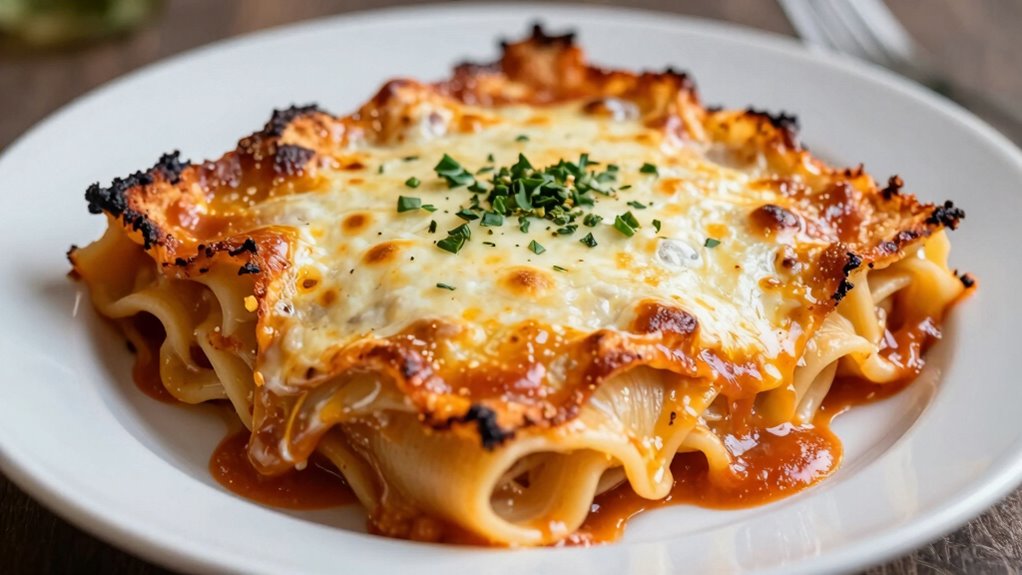
Reheating food often seems straightforward, but it can come with unexpected issues that compromise texture, flavor, or safety. Common problems include uneven heating, sogginess, or dry spots. To troubleshoot:
- Avoid microwave myths—stir or rotate food midway to ensure even heat, rather than relying solely on presets.
- Be mindful of freezer effects—frozen leftovers may reheat unevenly, causing cold spots or overcooked edges.
- Use proper techniques—cover dishes to retain moisture and prevent drying out, especially after freezing.
Quick Hacks to Restore Freshness and Texture
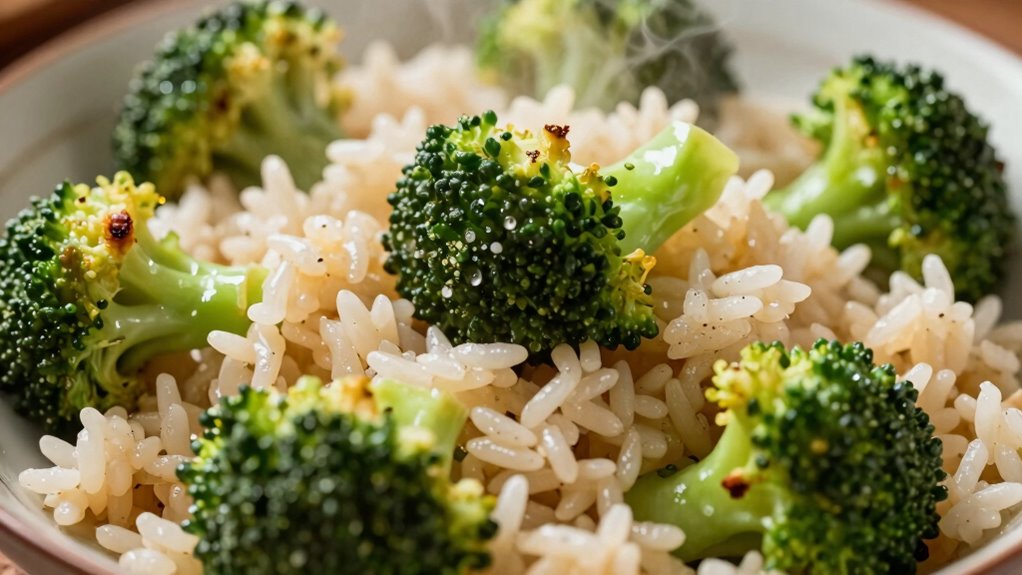
When leftovers lose their freshness or become soggy, a few quick hacks can instantly revive their texture and flavor. To enhance flavor retention, try reheating in a dry skillet or oven instead of microwaving, which preserves original tastes. Adding a splash of fresh citrus or herbs can boost flavor and mask sogginess. For nutrient preservation, avoid overcooking; reheat just until steaming, not boiling. Use a paper towel or cheesecloth to absorb excess moisture before serving, keeping dishes crisp. Spreading leftovers thinly on a baking sheet and warming briefly helps restore their original texture without sacrificing nutrients. These simple tricks help you enjoy leftovers with fresh flavor and ideal nutrient retention, making your reheated meals taste almost as good as new.
Final Tips to Reheat Leftovers Perfectly Every Time
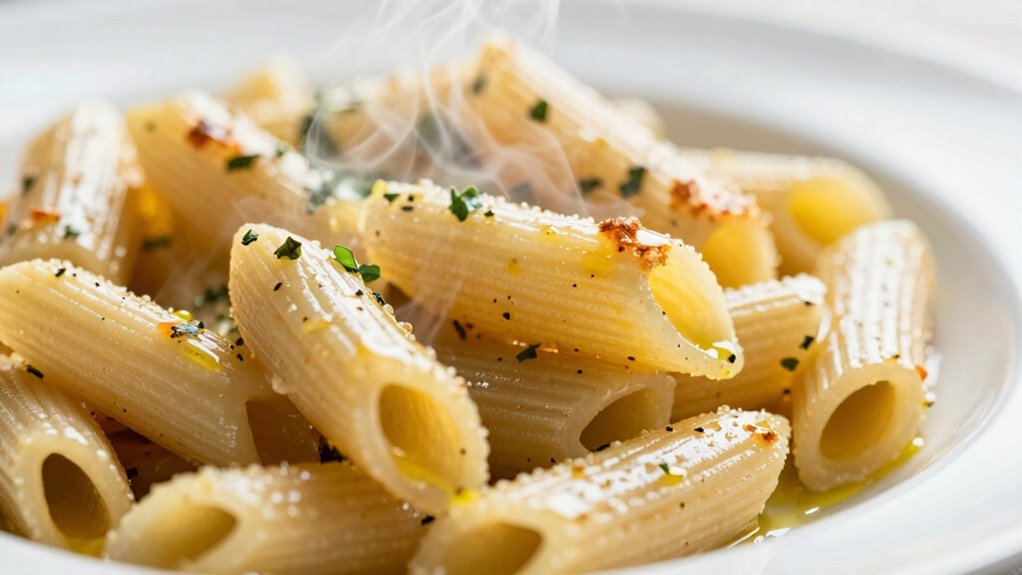
To reheat leftovers perfectly, you need to use the right equipment, like a microwave, stovetop, or oven, depending on the dish. Adjust the heat settings to avoid overcooking or drying out your food, and always cover your leftovers to retain moisture. These simple tips will help you achieve consistent, delicious results every time.
Use Proper Equipment
Choosing the right equipment is essential for reheating leftovers safely and evenly. Using the appropriate appliance guarantees microwave safety and helps maintain the quality of your food. Here are three tips to help you select and maintain your equipment:
- Use microwave-safe containers to prevent chemical leaching and ensure even heating.
- Regularly check and clean your appliance to avoid food residue that can affect appliance maintenance and safety.
- Avoid overcrowding the microwave, which can lead to uneven reheating and compromised food texture.
Adjust Heat Settings
Adjusting your heat settings is key to reheating leftovers perfectly every time. Proper temperature control guarantees the food heats evenly without overcooking or drying out. Use medium heat when reheating on the stovetop to promote steady heat distribution, preventing hot spots that can compromise texture. For microwave reheating, choose the appropriate power level—usually medium or medium-high—to avoid uneven heating. Keep an eye on the process and stir or rotate the food if needed, which helps distribute heat evenly. Remember, rapid heating at high temperatures can cause moisture loss and texture changes, so adjusting your heat settings accordingly is essential. With precise temperature control and mindful heat distribution, your leftovers will come out fresh, flavorful, and just right every time.
Cover for Moisture
Covering your leftovers while reheating helps lock in moisture and prevent drying out. This creates a steam retention effect, keeping food tender and flavorful. Using moisture barriers, like lids or plastic wrap, guarantees heat stays trapped, reducing moisture loss.
Here are three tips to maximize moisture retention:
- Use a tight-fitting lid or microwave-safe cover to seal in steam.
- Wrap dishes with damp paper towels to boost humidity.
- Avoid venting covers unless necessary, to maintain consistent moisture levels.
Frequently Asked Questions
Can Reheating Alter the Nutritional Content of Leftovers?
Reheating can cause some nutrient degradation and vitamin loss in leftovers, but the impact is usually minimal if you reheat properly. You may lose a small amount of sensitive vitamins like C and B vitamins, but most nutrients remain intact. To preserve nutritional value, reheat quickly and avoid high temperatures. This way, you minimize nutrient loss and enjoy your leftovers with as much of their original nutrition as possible.
What Are the Safest Reheating Temperatures to Avoid Foodborne Illness?
Did you know that improper reheating causes 1 in 10 food poisoning cases? To guarantee food safety, you should reheat leftovers to at least 165°F (74°C) as per temperature guidelines. This temperature kills harmful bacteria and prevents foodborne illnesses. Always use a food thermometer to check, and avoid reheating repeatedly, which increases risks. Following these guidelines keeps your meals safe and healthy.
How Does Microwave Reheating Affect Food Texture Compared to Oven Reheating?
When you microwave reheating, you’ll notice that the microwave texture often becomes uneven, sometimes making food soggy or rubbery, especially with bread or fried items. In contrast, oven reheating generally preserves or restores the original texture better by heating food evenly and maintaining crispness. So, if you want to keep that fresh, crispy texture, oven reheating is usually the better choice over microwave reheating.
Are There Specific Ingredients That Don’T Reheat Well?
Certain ingredients don’t reheat well because of ingredient compatibility and texture preservation issues. For example, crispy foods like fried chicken or breaded items tend to become soggy, losing their crunch. Fresh vegetables and delicate herbs often wilt or turn mushy. To avoid this, you should reheat these ingredients carefully, using methods that preserve their texture, like oven reheating or gentle steaming, rather than microwave reheating, which can compromise their original quality.
How Can I Reheat Leftovers to Preserve Flavor Without Overcooking?
Sure, reheating leftovers without overcooking is an art best left to the culinary gods. To preserve flavor and moisture, use gentle methods like stovetop steaming or low microwave settings. Cover your dish to lock in moisture, stirring occasionally for even heat. Remember, patience is key—resist the urge to blast everything at once. With a little finesse, you’ll enjoy flavorful leftovers that taste just as good as the first time!
Conclusion
Mastering reheating isn’t just luck—it’s science. When you follow the right techniques, you’ll find that leftovers surprisingly regain their original crispness and juiciness, almost like a culinary coincidence. So next time you reheat, remember these tips and tools. With a little practice, you’ll consistently enjoy leftovers that taste fresh and inviting, making every bite feel just as satisfying as the first. Turns out, a little science makes all the difference!