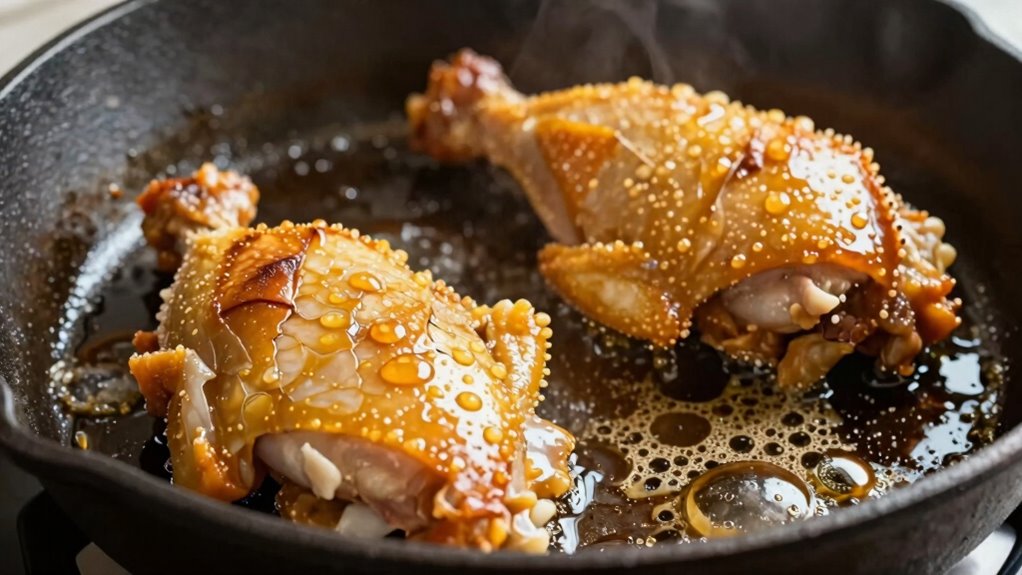

If your chicken skin isn’t crisping, it’s likely because the fat beneath the skin isn’t rendering properly. Proper fat rendering involves melting and releasing fat evenly during cooking, which helps create a crunchy texture and prevents sogginess. Factors like starting with moist skin, cooking at too low a temperature, or overcrowding the pan can prevent good fat escape. To learn how to master fat rendering and get that perfect crispy skin, keep exploring these tips.
Key Takeaways
- Insufficient fat rendering prevents skin from becoming crispy; ensure proper heat and cooking time.
- Moisture on the skin inhibits crisping; dry skin thoroughly before cooking.
- Overcrowding the pan traps steam, hindering fat release and crispiness.
- Cooking at too low a temperature slows fat melting, resulting in soggy skin.
- Not allowing enough time for fat to fully render leaves skin dull and uncrisp.

PoulTree – Chicken Penetrator Rod Roaster – for Juicy Meat & Crispy Skin – for Grill, Oven & Smoker – Rotisserie-Style Without Spinning – Convection Cooking Made Easy – Rod Only
PoulTree is engineered for Perfect Chicken Every Time: The PoulTree Rod is specially designed to cook the chicken…
As an affiliate, we earn on qualifying purchases.
As an affiliate, we earn on qualifying purchases.
What Is Fat Rendering and Why It’s Key to Crispy Chicken Skin

Fat rendering is the process of melting and releasing the fat stored within the chicken skin. When you cook chicken properly, fat melting occurs, which helps break down the fat layers under the skin. This process is essential for skin crisping because as the fat melts away, it creates a barrier that promotes even heat distribution. When the fat renders, it drains away, leaving behind a drier surface that crisps up more effectively. Proper fat rendering is also influenced by the energy efficiency of your cooking method, ensuring consistent heat that promotes melting. Additionally, using the right cooking temperature prevents the fat from overcooking and becoming greasy rather than crispy. Achieving the right balance of fat melting ensures the skin becomes golden and crunchy. Patience and correct heat are key to allowing fat rendering to happen naturally, which is why understanding heat transfer is crucial for perfect results. A well-regulated temperature facilitates efficient fat rendering, reducing the risk of greasy skin and ensuring a satisfying crunch. For optimal results, controlling cooking temperature can make a significant difference in how well the fat renders and the final texture of the chicken skin.

Alpha Grillers Meat Thermometer Digital – Instant Read Food Thermometer for Cooking & Grilling – Professional Kitchen Gifts for Men, Dad & Mom
Instant Read Food Thermometer | Our instant read thermometer features a temperature probe and advanced, highly accurate technology…
As an affiliate, we earn on qualifying purchases.
As an affiliate, we earn on qualifying purchases.
How to Prepare Your Chicken for Crispy, Rendered Skin
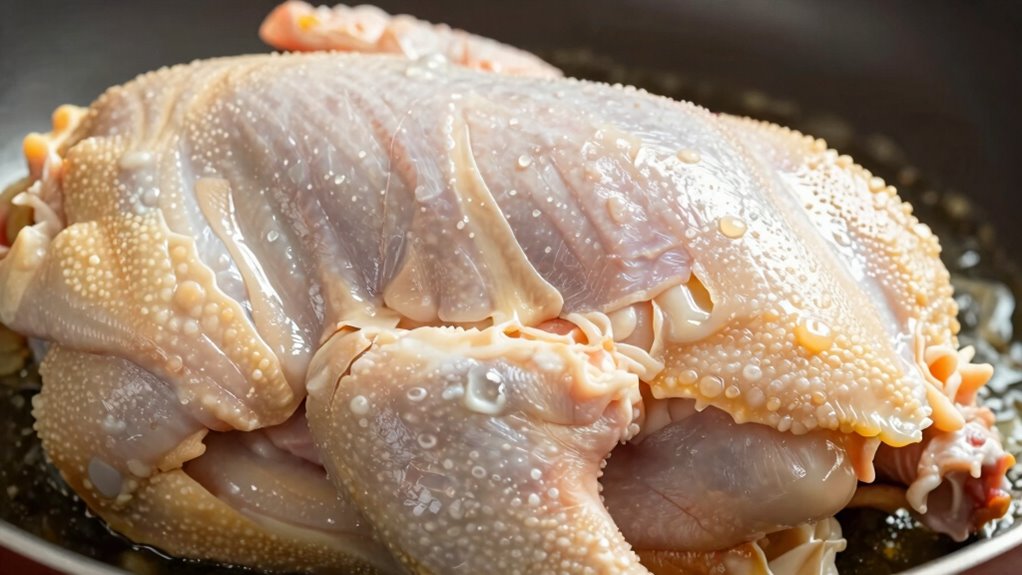
Before cooking, it’s important to properly prepare your chicken to guarantee the skin crisps up and renders evenly. Start by patting the chicken dry with paper towels to remove excess moisture, which can prevent crispiness. Consider using marination techniques that include a bit of salt or vinegar to break down the skin and help with fat rendering. Applying spice rubs not only adds flavor but can also help dry out the skin further, promoting crispness. Let the chicken sit uncovered in the refrigerator for at least an hour after applying your marinade or spice rub; this helps moisture evaporate. Proper preparation ensures the skin dries out enough to crisp up beautifully while fat renders evenly during cooking.
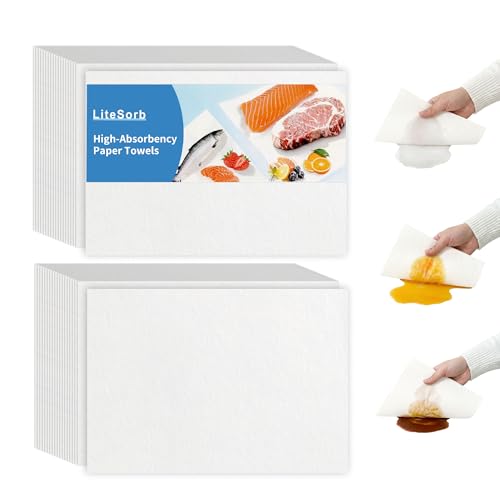
LiteSorb Ultra Absorbent Kitchen Paper Towels,Natural Wood Pulp Strong Absorbent Sheets for Fruits,Vegetables,Seafood,Raw Meat,Quickly Soak Up Moisture and Juices Keep Cleaner and Drier
Ultra-Strong Kitchen Absorbent Paper Towel– Highly absorbent pulp fibers quickly soak up excess water, juice and drips from…
As an affiliate, we earn on qualifying purchases.
As an affiliate, we earn on qualifying purchases.
How Temperature and Cooking Time Affect Fat Rendering and Crispy Skin
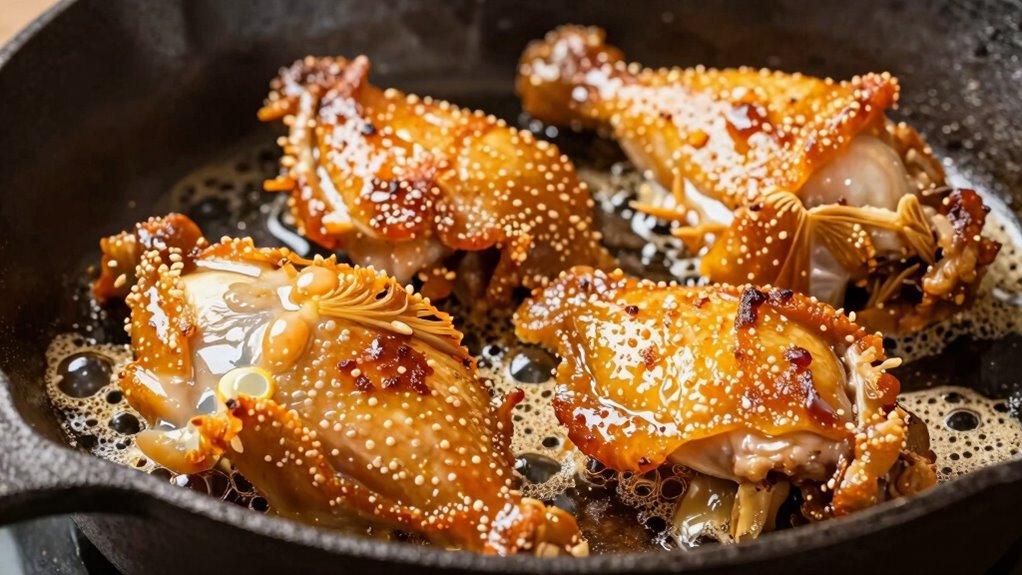
Achieving crispy chicken skin depends heavily on selecting the right cooking temperature and time. Proper temperature control guarantees the fat renders gradually, resulting in crispiness without burning. Too high a temperature causes rapid surface browning but may leave under-rendered fat underneath. Conversely, too low extends cooking duration but risks soggy skin. Use moderate heat for even fat rendering and crispiness. Ensuring the correct cooking techniques is essential for optimal results. Mastering fat rendering techniques helps in achieving a perfect crispy skin and juicy meat.

Chicken Leg And Wing Rack For Grill Smoker Oven – Easy To Use 14 Slots Chicken Leg Rack – High Grade Stainless Steel Chicken Wing Rack Chicken Drumstick Holder For Perfect Cook
Just Hang And Leave – Don't have to worry about turning them, this 14-slot chicken drumstick grill rack…
As an affiliate, we earn on qualifying purchases.
As an affiliate, we earn on qualifying purchases.
Troubleshooting Soggy or Under-Rendered Chicken Skin and How to Fix It
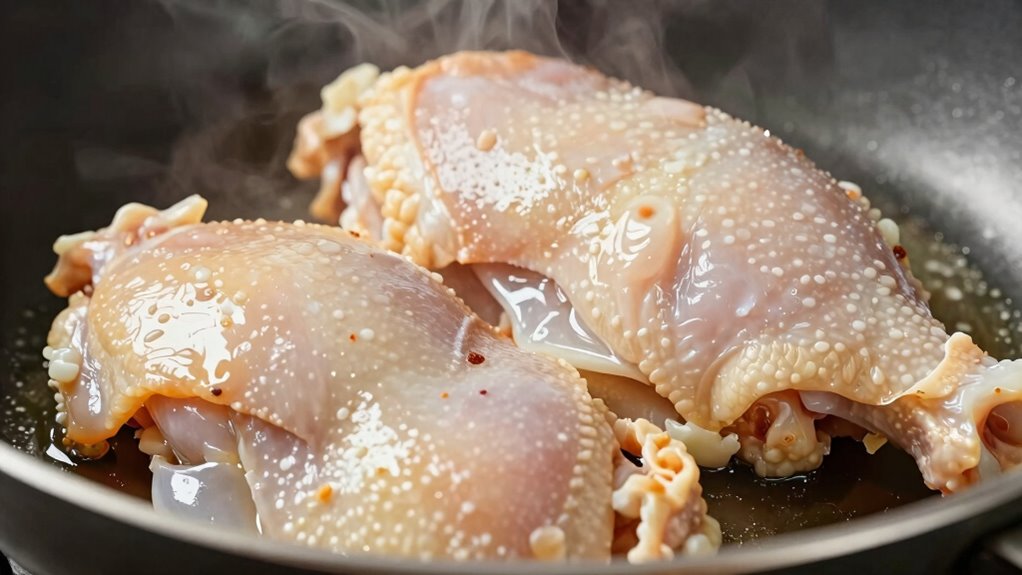
If your chicken skin remains soggy or under-rendered despite following proper cooking times, the issue often lies in temperature control or moisture. Start by adjusting your seasoning techniques; salting the skin early helps draw out excess moisture, aiding crispiness. Make certain you’re using the right cooking vessel—preferably a hot, oven-safe skillet or wire rack—so heat circulates evenly and fat renders properly. Avoid overcrowding the pan, which traps steam and prevents crisping. Pat the skin dry thoroughly before seasoning and cooking, as moisture is the enemy of crispness. Additionally, consider finishing the chicken in a hot oven or broiler to help evaporate remaining moisture and crisp up the skin. Implementing proper fat rendering techniques ensures excess fat melts away, resulting in a crispier texture. Using heat circulation principles from modern cooking methods can also improve even crisping and prevent sogginess. Proper moisture management is essential to achieve a uniformly crispy skin, especially when cooking at home. Understanding the thermal properties of fats and proteins can help optimize cooking temperatures for better results. For optimal results, monitor your cooking temperature closely to prevent the skin from steaming rather than crisping. These adjustments improve fat rendering and help achieve that crispy, golden exterior.
Pro Tips for Achieving Perfectly Crispy, Rendered Chicken Skin Every Time

For perfectly crispy, rendered chicken skin every time, focus on controlling moisture and heat from the start. Use seasoning techniques that draw out excess moisture, like salting the skin early and letting it sit to dry. Pat the skin thoroughly before cooking to remove surface moisture. Consider alternative cooking methods such as oven roasting or air frying, which help render fat evenly and produce crispiness without excess oil. High heat is essential—start with a hot skillet or preheated oven to promote rapid fat rendering and skin crisping. Avoid overcrowding the pan, which traps moisture. Additionally, utilizing proper cookware selection with precise temperature control can optimize heat levels for perfect results. Understanding heat transfer in cooking can also help you better control the process and achieve consistent crispiness. Managing fat rendering is crucial for removing excess fat and ensuring the skin becomes crispy rather than soggy. By managing moisture levels and choosing the right heat, you’ll achieve consistently crispy, golden chicken skin every time.
Frequently Asked Questions
Can Marinating Chicken Affect Fat Rendering and Skin Crispiness?
Marinating chicken can affect fat rendering and skin crispiness because marinating effects often include using acidic ingredients or salty solutions that penetrate the skin. This skin penetration can draw out moisture, making it harder for the fat to render properly and for the skin to crisp up. To achieve crispy skin, keep marinades brief, and pat the chicken dry before cooking to minimize moisture and promote better fat rendering.
Does the Type of Chicken (E.G., Organic, Free-Range) Impact Fat Rendering?
Ever notice how different chicken breeds cook up differently? The type of chicken, like organic or free-range, can impact fat rendering because these chickens often have less intramuscular fat. Cooking methods also matter—slow roasting versus high-heat searing can influence skin crispiness. So, yes, choosing a specific breed and adjusting your cooking technique can help you achieve that perfect, crispy skin you want.
Is It Necessary to Pat Dry Chicken Before Cooking for Better Crispiness?
Yes, you should pat dry your chicken before cooking to improve crispiness. Removing excess moisture from the dry skin allows fat to render more effectively and creates a better sear. Use paper towels to blot away moisture, especially if the chicken has been refrigerated or marinated. This moisture removal is vital because it helps the skin crisp up evenly, giving you that desirable golden, crunchy exterior.
How Does Resting Cooked Chicken Influence Skin Texture and Fat Retention?
Did you know resting cooked chicken improves skin texture and fat retention? When you let it sit, temperature control stabilizes, preventing moisture loss that can make skin soggy. Resting allows the fat to redistribute, enhancing crispiness and juiciness. By avoiding cutting into hot chicken immediately, you give the skin time to firm up, ensuring a perfect crunch and juicy interior. So, resting is key for that ideal crispy, flavorful skin.
Can Using a Broiler or High Heat Improve Fat Rendering and Skin Crispness?
Using a broiler or high heat techniques definitely enhances fat rendering and skin crispness. The broiler benefits include quick, intense heat that melts fat and crisps the skin beautifully. Applying high heat techniques, like broiling or roasting at high temperatures, guarantees the skin becomes golden and crispy while rendering excess fat efficiently. Just keep an eye on your chicken to prevent burning and achieve perfect texture.
Conclusion
Achieving that perfectly crispy chicken skin often feels like a happy accident, but it’s really about understanding fat rendering. When you strike the right balance of temperature, prep, and patience, crispy skin becomes almost inevitable. Sometimes, it’s those small, overlooked details—like letting the skin dry or controlling heat—that make all the difference. In the end, patience and attention turn what seems like luck into a delicious, crispy reality every single time.