
TL;DR

Get kitchen gear delivered free with Prime
- Fast, free delivery on millions of items
- Prime Video, Amazon Music and more included
- Member-only deals all year
CNET’s air-fryer advice, drawing on recipe tester Cathy Yoder, identifies nine common habits that can leave food soggy, burnt or uneven. The guidance focuses on airflow, oil, cooking technique and cleaning, while some recommendations—such as whether to preheat—may vary by recipe and appliance.
CNET has outlined nine common air-fryer mistakes, drawing on advice from recipe tester Cathy Yoder of Empowered Cooks, that can leave food soggy, burnt or uneven. The guidance focuses on how airflow, oil use, basket space and cooking habits affect results, offering practical adjustments for people using the appliances at home.
Yoder says users should not assume an air fryer is only for foods such as fries and chicken nuggets. The appliance can also be used for foods that might otherwise be grilled or baked, she says. At the same time, air fryers can cook quickly, so she advises keeping an eye on food rather than relying on a set-and-forget approach.
Several of the listed mistakes involve oil. The source advises against aerosol cooking sprays because, Yoder says, some spray propellants could damage the basket’s nonstick coating. She suggests a refillable spray pump instead. Yoder also recommends using oil sparingly: some vegetables, spices or breading may benefit from it, while many meats and frozen foods already contain fat. For longer cooking at high temperatures, she favors avocado oil over olive oil, which she says has a lower smoke point.
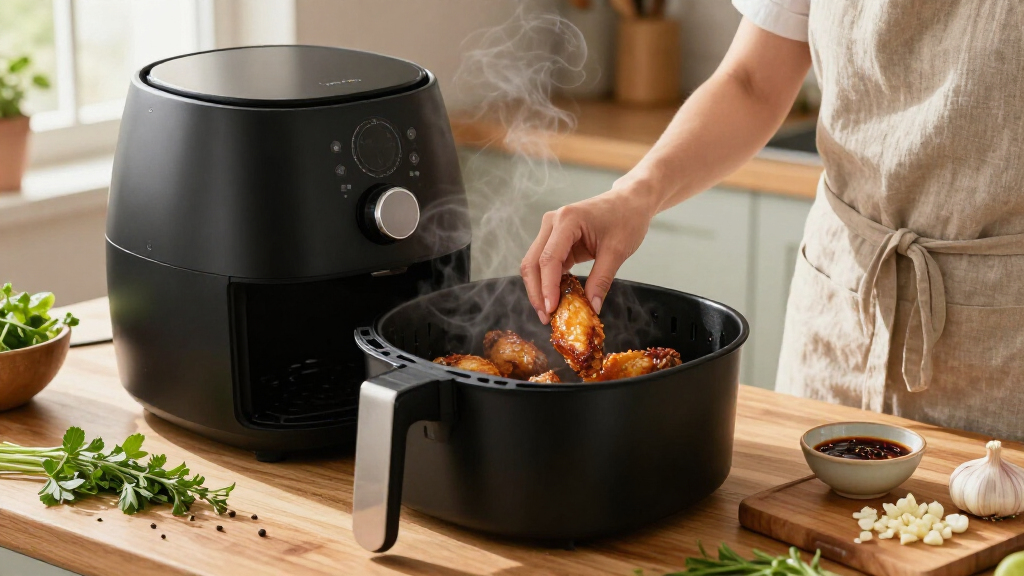
Overcrowding is another frequent problem. Air fryers work by circulating hot air, so pieces generally need space around them to brown and crisp evenly. Yoder recommends a single layer for many foods and says users should shake or flip items when the recipe calls for it. The source also advises cleaning the appliance between uses and cautions that wet batter can cause trouble. It does not provide a full explanation or specific procedure for every mistake.
Airflow and Oil Shape Results
The advice matters because many disappointing air-fryer results may stem from how food is arranged or prepared, rather than a fault in the appliance. When pieces are packed together, hot air has less access to their surfaces; extra oil or moisture can also affect texture. Recognizing those factors gives cooks straightforward ways to improve browning without assuming that every recipe or appliance behaves the same way.
There are also practical equipment considerations. If aerosol sprays damage a nonstick finish, repeated use could shorten the useful life of a basket, though the source presents that risk as a possibility rather than a proven outcome for every product. Choosing oil based on cooking conditions and checking food before the end of a recipe can help reduce burnt flavors and wasted ingredients.
Products Worth Considering

Ninja Flip Toaster Oven and Air Fryer, 8-in-1, Stainless Steel, SP151

Ninja DualZone Air Fryer 10 Qt Smart 6-in-1 Grey (DZ950)
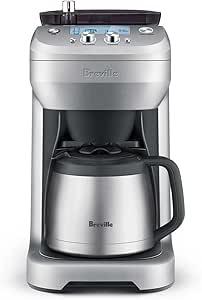
Breville Grind Control BDC650BSS Thermal Carafe Coffee Maker – Brushed Stainless Steel
As an affiliate, we earn on qualifying purchases.
Why Air Fryer Technique Matters
An air fryer is described in the source as a small convection oven: it cooks by moving hot air around food. That mechanism explains why space between pieces can matter, particularly when the goal is a crisp exterior. A basket’s capacity in a product image does not necessarily mean it should be filled to the top for every recipe.
Preheating is a less settled point in the advice. Many recipes call for it, but Yoder says her tests using the same air fryer found no significant difference in results between preheated and non-preheated cooking, with a reported difference of about two minutes in total cooking time. That finding is from her tests; it is not presented as a rule for every model or recipe. Users should follow their appliance manual and recipe instructions where those specify preheating.
“For crispy things, you want air to be able to get around all of them.”
— Cathy Yoder, Empowered Cooks recipe tester, as quoted by CNET
Advice May Vary by Appliance
The source does not identify the nine mistakes in a complete numbered list in the material provided here, and it does not detail the specific correction for every one. Its discussion includes broader warnings about cleaning, wet batters and shaking or flipping food, but does not set out model-by-model instructions. The material also does not provide the date of publication or independent test data supporting each recommendation.
Yoder’s preheating observations came from tests with the same air fryer, and the source does not name the model, recipes or testing conditions. The claim that some aerosol sprays could harm a nonstick coating is attributed to Yoder as a possibility; it is not evidence that all sprays damage all baskets. Results can also depend on the appliance, ingredients and recipe, details the source does not quantify.
Check Recipes and Appliance Guidance
For home cooks, the next step is to apply the advice to the specific appliance and recipe in use: leave room for airflow, use oil only when needed, and check food during cooking. Follow the manufacturer’s instructions for basket care and any recipe-specific temperature or preheating directions. CNET’s source offers general guidance but does not announce a new test, product change or follow-up timetable.
Key Questions
What is the most common air-fryer mistake described?
The source identifies overcrowding the basket as a common reason food turns soggy or cooks unevenly. Leaving space between pieces helps hot air reach more of their surfaces.
Do air fryers always need to be preheated?
Not necessarily, according to Cathy Yoder’s tests reported by CNET: she found no significant result difference in the same appliance, with about two minutes of total cooking time separating the tests. Follow the directions for your model and recipe, since the source does not establish a universal rule.
Should I use cooking spray in an air fryer?
Yoder advises against aerosol sprays because some propellants could damage a basket’s nonstick coating. She suggests a refillable spray pump as an alternative. The source does not claim that every aerosol product damages every air fryer.
How much oil should I add?
Use oil sparingly and only when the food or recipe calls for it, the source advises. Some vegetables, spices or breading may need a little oil, while many meats and frozen foods already contain fat.
Source: CNET