Using fresh ingredients in your air fryer gives you brighter flavors and firmer textures, perfect for quick, high-quality meals. Frozen foods are super practical when you’re short on time and want something easy, as they require less prep and can be cooked straight from the freezer. For foods like chicken wings or fries, frozen works great. To get the best results, knowing when to choose each approach helps you cook smarter—explore more tips ahead.
Key Takeaways
- Fresh ingredients offer better flavor, texture, and quicker cooking times, ideal for immediate, high-quality meals.
- Frozen foods are more convenient for quick prep, requiring minimal thawing and longer cooking to achieve crispiness.
- Use fresh produce when vibrant flavor and firm texture are priorities; opt for frozen when time-saving and ease are essential.
- Frozen items often need longer cooking and drying beforehand to prevent sogginess and ensure crisp results.
- Proper storage and handling in the air fryer improve outcomes for both fresh and frozen foods, minimizing issues like sticking or uneven cooking.

Air Fryer Silicone Liners Pot,8 inch Air Fryer Basket Liners, Silicone Baking Tray Pots for 3 to 5 Qt for Air fryer Oven Reusable Baking Tray Oven Accessories (Red+Black)
Reusable Air Fryer Silicone Liners: 2 PACK (Red+Black)airfryer liners,No longer clean your air fryer basket ,air fryer accessories…
As an affiliate, we earn on qualifying purchases.
As an affiliate, we earn on qualifying purchases.
Should You Use Frozen or Fresh Ingredients in Your Air Fryer?
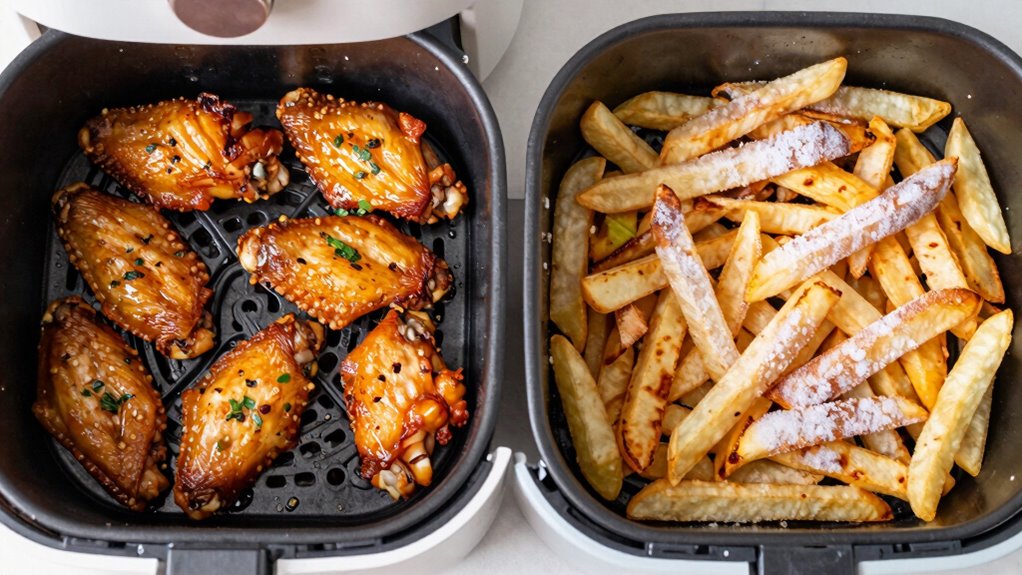
Whether you should use frozen or fresh ingredients in your air fryer depends on what you’re cooking and your convenience needs. Frozen snacks are ready to go and require less prep, making them ideal for quick meals or snacks. They often cook evenly and develop a crispy exterior without much effort. Additionally, quick cooking times can be achieved with frozen items, saving time during meal prep. On the other hand, fresh vegetables give you more control over flavor and texture, allowing you to customize seasonings and achieve a crisper bite. Using fresh ingredients can elevate dishes and provide a more vibrant, natural taste. Additionally, understanding cooking techniques can help you optimize results with either ingredient type. Properly managing food quality and storage can also influence the overall outcome of your air-fried dishes. For example, using fresh produce at its peak ripeness can significantly enhance flavor and nutritional value. If you’re short on time, frozen snacks are a practical choice. For more flavorful, customized meals, fresh vegetables work better. Ultimately, your choice hinges on your schedule, taste preferences, and the specific recipe.
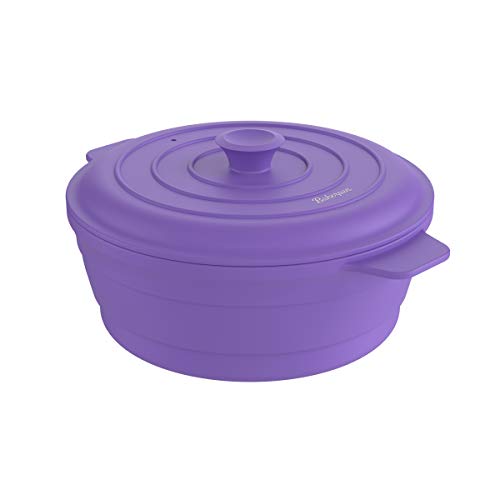
Bakerpan Silicone Microwave Steamer for Vegetables, Air Fryer Pot with Lid, Collapsible Silicone Steamer for Cooking, 64 Fl oz Capacity
Food-Grade Silicone Construction – Crafted from high-quality, food-grade silicone, the steaming pot ensures safety and durability for cooking…
As an affiliate, we earn on qualifying purchases.
As an affiliate, we earn on qualifying purchases.
Understanding the Differences: Flavor, Texture, and Cooking Time
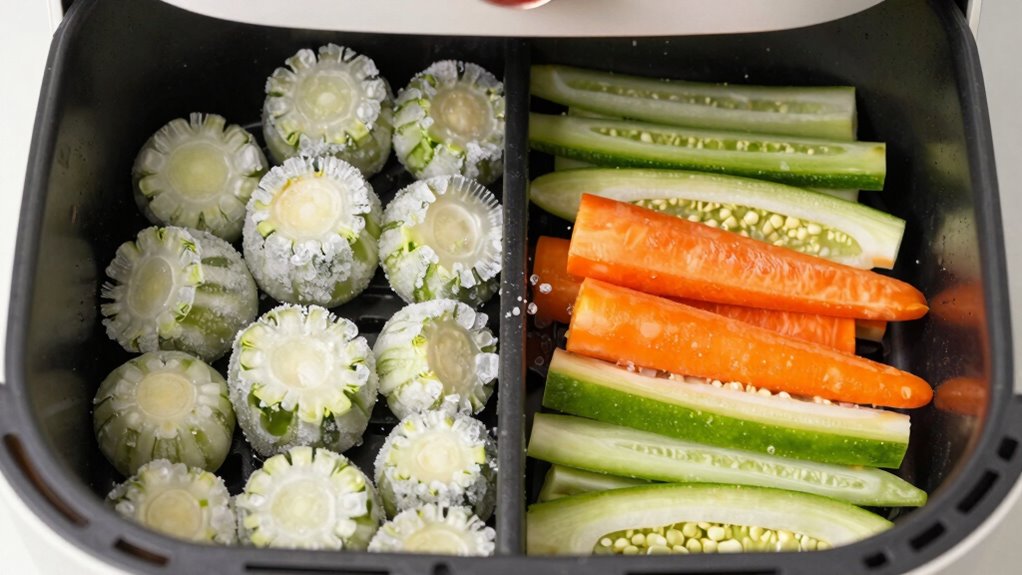
Understanding the differences in flavor, texture, and cooking time between frozen and fresh ingredients can help you make better choices when using your air fryer. Flavor profiles vary notably: fresh foods often have a brighter, more vibrant taste, while frozen items may carry subtle flavor changes due to storage. Texture differences are also noticeable; fresh ingredients usually retain a firmer, juicier quality, whereas frozen foods can become slightly softer or more tender after cooking. Additionally, frozen foods typically require a few extra minutes to cook thoroughly, as they start colder and may have ice crystals that need melting. Recognizing these distinctions allows you to adjust your cooking approach, ensuring every dish hits the right balance of flavor and texture in your air fryer. Understanding the science of food preservation helps to explain these variations and guides better cooking practices. Being aware of proper thawing techniques can also make a significant difference in achieving optimal results, especially since thawing methods directly influence texture and cooking time.

Tyson Frozen Garlic Parmesan Crispy Wings, 20 Oz
One 20 oz bag of Tyson Frozen Garlic Parmesan Crispy Wings
As an affiliate, we earn on qualifying purchases.
As an affiliate, we earn on qualifying purchases.
Best Foods to Cook From Frozen in Your Air Fryer
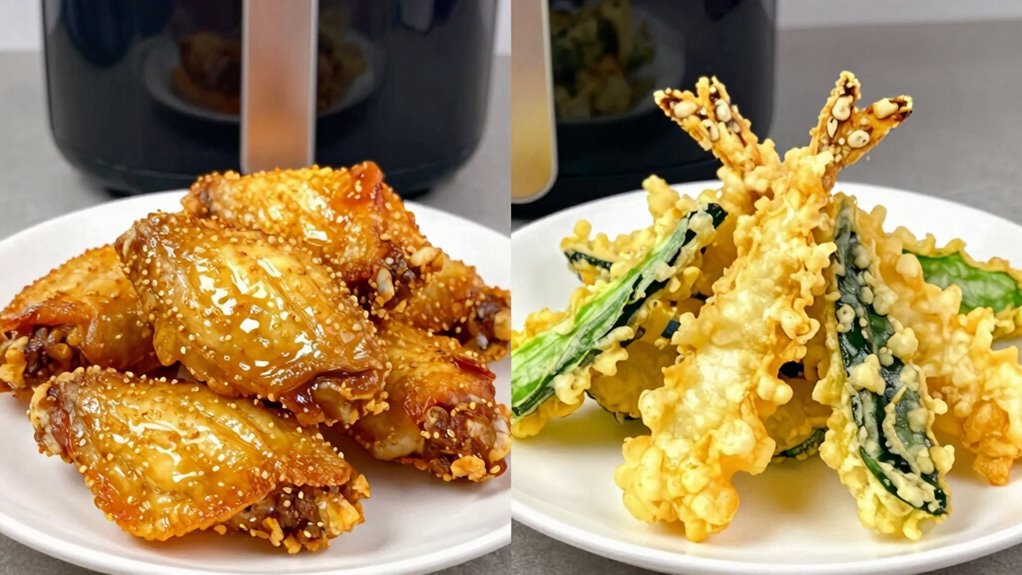
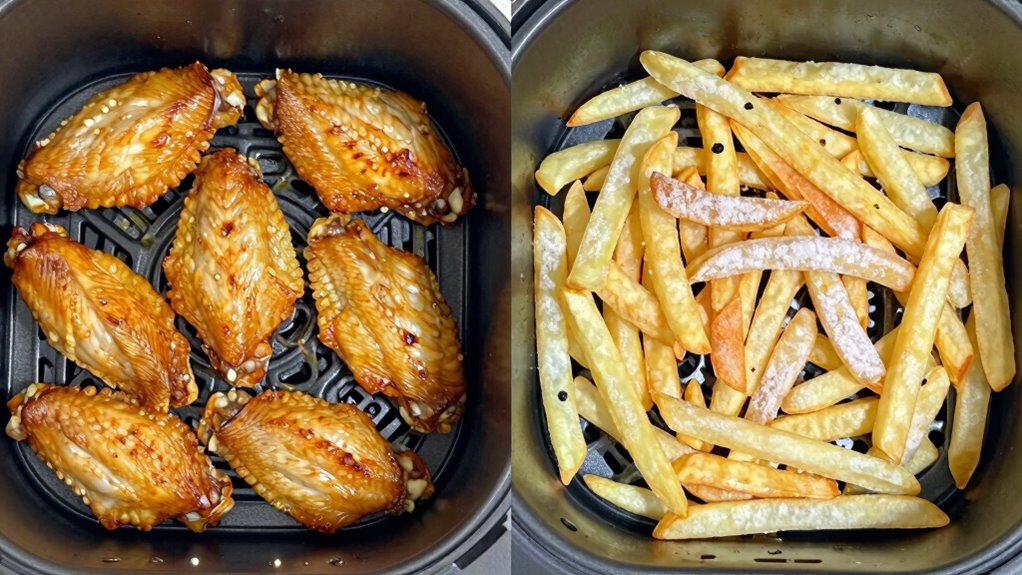
Cooking from frozen in your air fryer is a convenient way to save time and reduce prep work, especially when you’re in a hurry or forgot to thaw ingredients. Foods like frozen chicken wings, mozzarella sticks, and French fries work perfectly because they crisp up nicely without extra effort. To enhance flavor, use seasoning tips such as a little spray of oil and your favorite spices before cooking. Proper storage methods are essential; keep frozen foods airtight and labeled to prevent freezer burn and ensure freshness. Remember, you might need to adjust cooking times slightly, as frozen items take longer to heat through. This approach lets you enjoy crispy, tasty meals with minimal prep, making frozen foods a handy choice for quick air fryer meals.

Air Fryer Magnetic Cheat Sheet Set – Air Fryer Accessories Cookbook – As Seen on the Today Show an Easy to Use AirFryer Time Chart Set – Strong Magnet Quick Reference Cooking Guide for Frying (Black)
AIR FRYER MAGNET: This Air fryer times and temp guide magnet is carefully crafted with waterproof, oil-resistant, and…
As an affiliate, we earn on qualifying purchases.
As an affiliate, we earn on qualifying purchases.
How to Prepare and Cook Fresh vs. Frozen Ingredients Properly

Preparing and cooking fresh versus frozen ingredients requires different approaches to achieve the best results. For ingredient prep, fresh items often need minimal cleaning and slicing, while frozen ingredients should be thawed or patted dry to remove excess moisture. When it comes to cooking techniques, fresh foods generally cook faster and benefit from a light coating of oil to promote crispiness. Frozen foods, on the other hand, may require a longer cook time and sometimes need a shake or flip midway through to ensure even cooking. Adjust temperature and time accordingly, as frozen ingredients tend to release moisture that can affect texture. Additionally, understanding connected home fitness can inspire creative approaches to cooking and presentation. Incorporating strategic planning into your cooking routine can help optimize timing and results for both fresh and frozen ingredients, ensuring a better outcome. Being aware of the nutritional considerations of ingredients can also guide you in choosing the right items for your health goals. Moreover, paying attention to cooking precision can help you fine-tune your process and improve overall results.
Troubleshooting Common Air Fryer Issues With Frozen and Fresh Foods
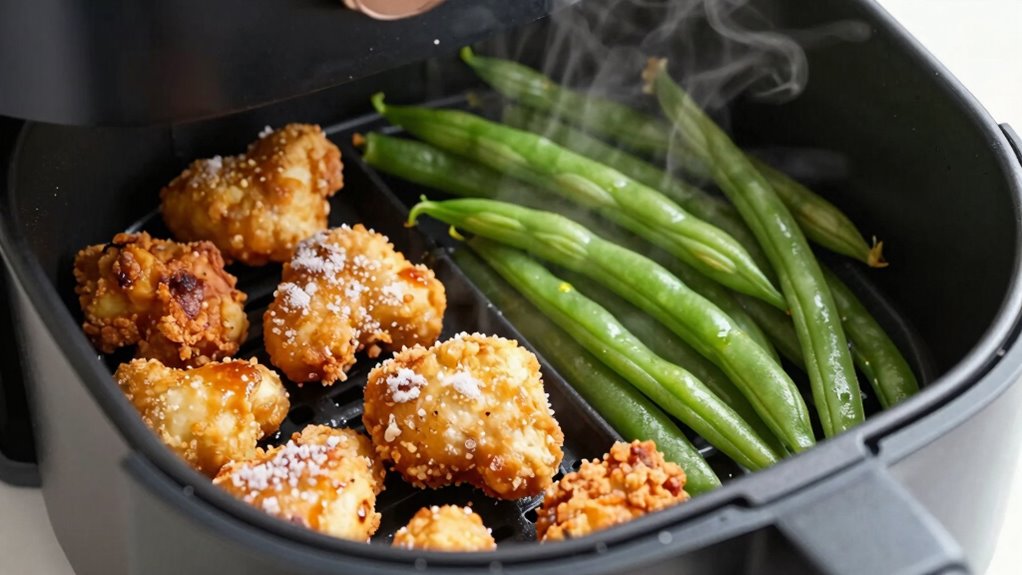
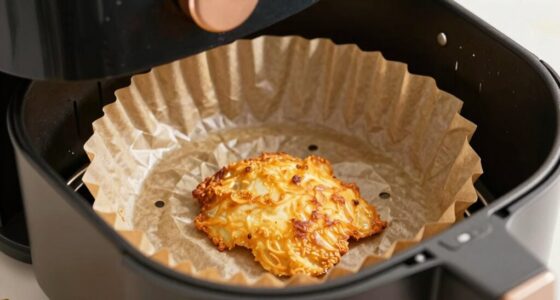
Troubleshooting air fryer issues with fresh and frozen foods often involves identifying common problems like uneven cooking, sticking, or excess moisture. To fix uneven cooking, try adjusting the temperature or shaking the basket midway. Sticking can be minimized by applying proper seasoning techniques and lightly oiling foods before cooking. Excess moisture from frozen items may cause sogginess; ensure foods are thoroughly dried or patted dry before air frying. Proper storage tips also help prevent issues—store frozen foods in airtight containers to avoid freezer burn, and keep fresh ingredients dry and sealed. If foods stick or cook unevenly, consider using parchment paper liners, especially for delicate items. These simple adjustments can improve results and troubleshoot common air fryer issues effectively. Additionally, understanding air fryer mechanics can help optimize cooking times and prevent common mishaps. For example, being aware of the heat distribution within your appliance can lead to more consistent results, and learning how air circulation impacts cooking can help you achieve better texture. Recognizing how food placement affects airflow can further enhance cooking efficiency and prevent uneven results. Moreover, paying attention to the size and shape of food can ensure even cooking and avoid overcrowding.
Frequently Asked Questions
Can I Mix Frozen and Fresh Ingredients in the Same Air Fryer Batch?
You can mix frozen and fresh ingredients in your air fryer, but be cautious about ingredient compatibility and flavor blending. Frozen items might release moisture, affecting crispiness, while fresh ingredients cook more evenly. To guarantee even cooking, separate ingredients by size and adjust cooking times accordingly. Keep an eye on your food to prevent overcooking or flavor transfer, and consider stirring or shaking halfway through for the best results.
Does Using Frozen or Fresh Ingredients Affect the Air Fryer’s Energy Consumption?
Think of your air fryer as a modern-day toaster, and yes, frozen ingredients do impact energy efficiency. Frozen foods often require longer cook times, which can use more energy, while fresh ingredients generally cook faster, saving power. Using fresh ingredients helps maintain ingredient freshness and reduces energy consumption. So, for peak energy efficiency, opt for fresh whenever possible, especially if you’re aiming to save electricity and enjoy peak ingredient quality.
Are There Specific Seasonings Better Suited for Frozen Versus Fresh Foods?
You should choose seasonings based on flavor compatibility and the food’s moisture content. For frozen foods, go for milder seasonings like garlic powder or onion powder that withstand ice crystal melting without overpowering. Fresh foods benefit from vibrant herbs and spices like parsley or paprika, which enhance flavor and add aroma during cooking. Adjust seasoning amounts accordingly to achieve ideal flavor enhancement for both frozen and fresh ingredients.
How Does Ingredient Size Impact Cooking Times for Frozen and Fresh Items?
Imagine your ingredients as tiny ships sailing through hot air—smaller pieces cook faster, whether frozen or fresh. Larger chunks absorb heat more slowly, increasing cooking time. You’ll notice that chopped vegetables or small chicken pieces need less time, while big steaks or whole fillets demand longer. Adjust your cooking time based on ingredient size to make certain everything crisps perfectly and cooks evenly in your air fryer.
Can Frozen Foods Be Cooked Directly From the Freezer Without Thawing?
Yes, you can cook frozen foods directly from the freezer in your air fryer. Skipping the thawing process saves time and helps maintain flavor, as thawing can sometimes cause moisture loss. Just increase the cooking time slightly and shake or flip the food halfway through to ensure even cooking. This method works well for items like fries, chicken wings, or vegetables, giving you crispy results without sacrificing flavor.
Conclusion
Just like choosing the right gear makes a hike smoother, selecting fresh or frozen ingredients guarantees your air fryer meals turn out perfect. I once tried frozen fries straight from the freezer—they crisped up just as well as fresh ones, saving me time and effort. Whether you prefer the convenience of frozen or the vibrant flavor of fresh, knowing when to use each makes all the difference. With a little practice, you’ll master the art of delicious, hassle-free air frying every time.