To achieve even baking, it’s key to rotate your pans at the right time, usually halfway through baking. This helps counteract hot and cold spots in your oven, ensuring your treats cook uniformly. Keep an eye on edges or tops for signs of uneven browning, and turn the pan 180 degrees for balanced heat distribution. Mastering this simple step can make a big difference; uncover more tips to perfect your baking results.
Key Takeaways
- Rotate pans halfway through baking to counteract oven hot and cold spots for even cooking.
- Turn the pan 180 degrees at the midpoint to ensure uniform heat exposure.
- Monitor baking progress visually and adjust rotation when edges brown unevenly.
- Use oven thermometers and tools like baking stones to improve heat distribution.
- Combining proper rotation with temperature control ensures consistent, golden, and well-baked results.
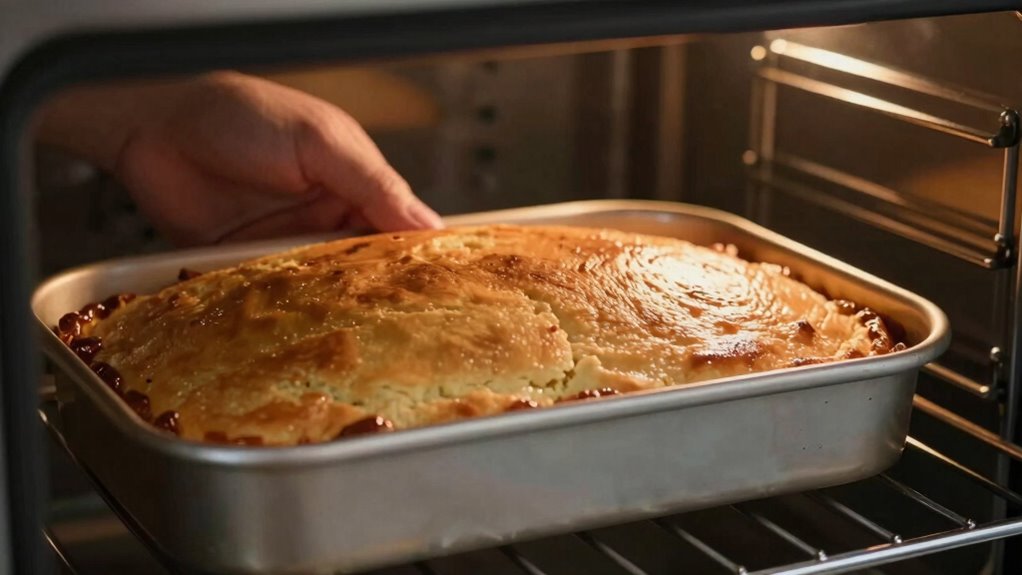
Ever wondered why some baked goods turn out perfectly golden on top and evenly cooked inside, while others come out uneven? The key often lies in how you manage your oven’s heat and the timing of your pan rotations. Oven temperature isn’t just about setting it and forgetting it; it plays a vital role in guaranteeing your baked goods cook uniformly. If your oven runs hot or cold in spots, parts of your baked item might cook faster or slower, leading to uneven results. Maintaining a consistent oven temperature with an oven thermometer can help you avoid these hot and cold spots, giving you a more predictable baking environment.
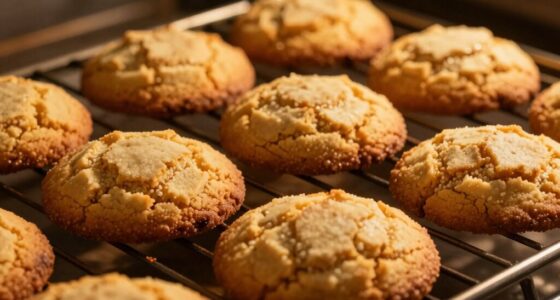
Consistent oven temperature ensures evenly baked goods with a perfect golden top and uniform interior.
Baking time is equally important. Overbaking can cause the exterior to burn while the inside remains undercooked, and underbaking leaves your treats pale and raw in the middle. Many recipes specify a baking time, but ovens vary, so it’s essential to keep an eye on your baked goods and use visual cues or a thermometer to check doneness. But even with the perfect oven temperature and timing, there’s another step that can make a big difference: rotating your pans.
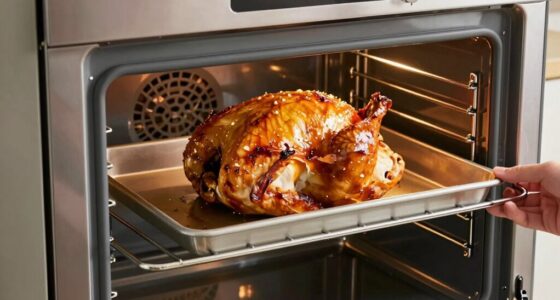
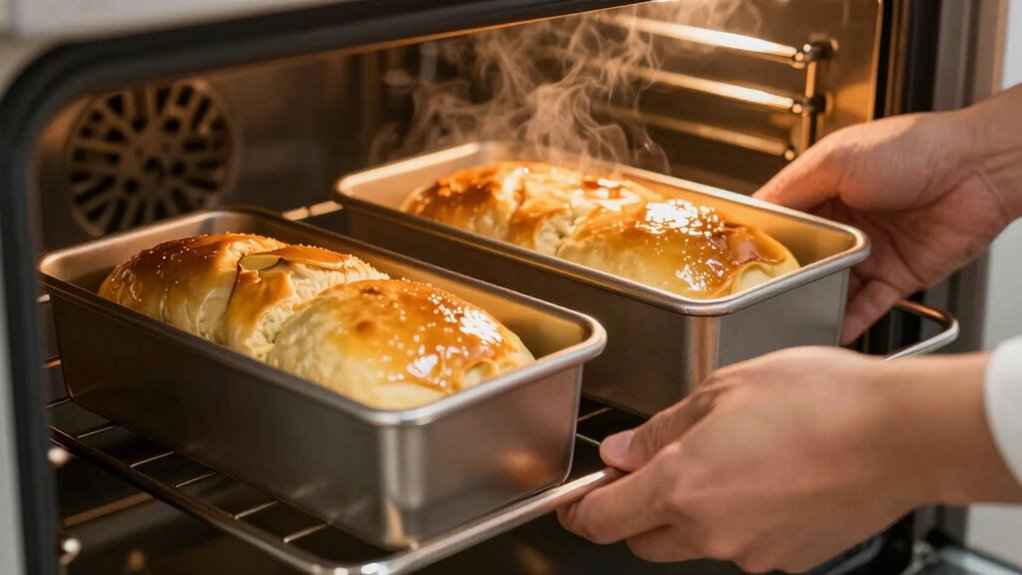
Rotating your pans during baking helps counteract uneven heat distribution. About halfway through the baking process, you should carefully turn your pan 180 degrees. This simple move ensures that the side facing the heating element or the cooler part of the oven gets the chance to catch up. It’s especially important for recipes that require longer baking times, like casseroles or large cakes. If you skip this step, you risk having one side overcooked while the other remains undercooked, which affects both appearance and texture.
Timing your pan rotation depends on what you’re baking, but a general rule is to do it when you notice the edges rising or browning unevenly. For most baked goods, this is around the halfway mark of the baking time. If you’re baking multiple items at once, consider rotating the pans between racks as well. Remember, the goal is to create a balanced heat exposure, so your baked goods develop that beautiful, even golden top and consistent interior texture. Additionally, understanding oven hot and cold spots can help you better plan your rotation strategy for more consistent results. Using baking stones or heat diffusers can also help distribute heat more evenly, further improving your baking outcomes.
In short, controlling oven temperature, paying close attention to baking time, and rotating pans at the right moments are all essential to achieving even baking. When you combine these techniques, you’ll find your baked goods turn out picture-perfect—beautifully golden, evenly cooked inside, and consistently delicious every single time.

Stainless Steel Oven Thermometer 50-300°C/100-600°F, Analog Instant Read, Battery-Free Kitchen Cooking Thermometer, Hook & Stand Design Food Thermometer for Oven, Grill, Smoker, Fryer
Clear Dial Display: PECULA's analog oven thermometer delivers precise, instant readings from 50–300°C / 100–600°F. Its dial features…
As an affiliate, we earn on qualifying purchases.
As an affiliate, we earn on qualifying purchases.
Frequently Asked Questions
How Often Should I Rotate My Baking Pans During Baking?
You should rotate your baking pans halfway through the baking process to guarantee even heat distribution. This simple step helps counteract uneven oven calibration and hot spots. Keep an eye on your baking techniques, and if your oven isn’t calibrated correctly, you might need to rotate more often. Regularly rotating pans guarantees a more consistent bake, resulting in perfectly cooked treats every time.
Does Pan Material Affect How Often I Should Rotate?
Yes, pan material impacts how often you should rotate your pans. Imagine heat conduction like a dance — some materials like metal conduct heat evenly, so you can rotate less often. Non-stick coatings or glass pans might heat unevenly, making rotation more necessary. So, depending on your pan’s coating and material, you’ll want to adjust your rotation schedule to guarantee even baking and avoid hot spots.
Should I Rotate Pans in the Middle or End of Baking?
You should rotate pans during the middle of baking, not at the end. This helps guarantee even baking, especially when you’re working on cake decoration or managing different baking times. Rotating at the halfway point allows heat to distribute more uniformly, preventing uneven spots. Remember, consistent rotation minimizes the need for touch-ups later, making your final cake look better and bake more evenly.
Can Uneven Oven Temperatures Be Fixed by Rotating Pans?
Yes, rotating pans can help address uneven oven temperatures and improve baking consistency. If your oven isn’t properly calibrated, hot spots can cause uneven baking. By rotating your pans during baking, you distribute heat more evenly, offsetting temperature inconsistencies. However, it’s also a good idea to get your oven calibrated for more precise control, ensuring your baked goods turn out perfectly every time without relying solely on pan rotation.
How Does Rack Position Influence the Need to Rotate Pans?
Think of your oven as a stage, where rack position sets the spotlight. Proper pan placement on different racks influences how heat reaches your baked goods, making for more even baking. If your oven isn’t perfectly calibrated, rotating pans becomes essential to balance hot spots. Adjusting rack positions helps guarantee consistent heat exposure, reducing the need for frequent rotations, and ultimately, achieving beautifully baked treats every time.

Large Pizza Stone for Oven – 15 x 12 inch Rectangular Pizza Stone for Grill, Even Heating for Perfect Crispy Crusts! Crack Resistant and Easy to Clean, Pizza Making Accessories
Achieve Perfect Pizzas Every Time – With irresistibly crispy crusts using Culinary Couture’s premium pizza stones for grill…
As an affiliate, we earn on qualifying purchases.
As an affiliate, we earn on qualifying purchases.
Conclusion
Remember, rotating your pans is like steering a ship through calm waters—you keep everything on course and guarantee an even bake. By timing your rotations just right, you’re guiding your baked goods to perfection, avoiding those pesky hot spots. Think of it as giving your oven a gentle nudge, helping heat distribute evenly across your treats. Master this simple trick, and your baked creations will come out looking and tasting like they’ve been kissed by a pro baker’s touch.
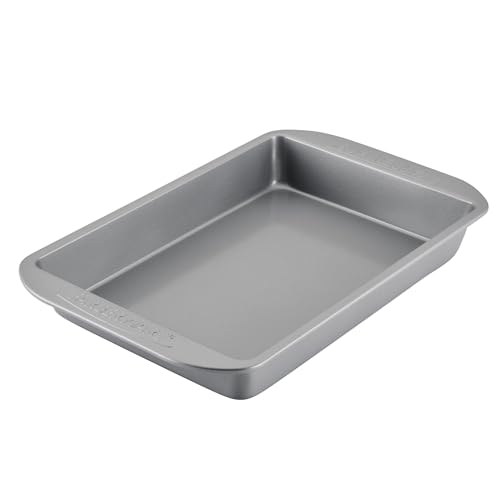
Farberware Nonstick Bakeware Baking Pan / Nonstick Cake Pan, Rectangle – 9 Inch x 13 Inch, Gray
NO WARP DURABILITY: The 9 x 13 nonstick cake pan’s heavy-duty construction resists warping and heats evenly to…
As an affiliate, we earn on qualifying purchases.
As an affiliate, we earn on qualifying purchases.

Kootek 71PCs Cake Decorating Kit, Baking Supplies Tools – Includes Cake Stand Turntable, 12 Icing Piping Tips Set, 2 Frosting Spatulas, 3 Scrapers, 50+2 Piping Bags, Coupler, Video Tutorial, Booklet
All-in-One Cake Decorating Kit Supplies: Perfect for beginners & pros! Unsure which cake decorating tools to buy? This…
As an affiliate, we earn on qualifying purchases.
As an affiliate, we earn on qualifying purchases.