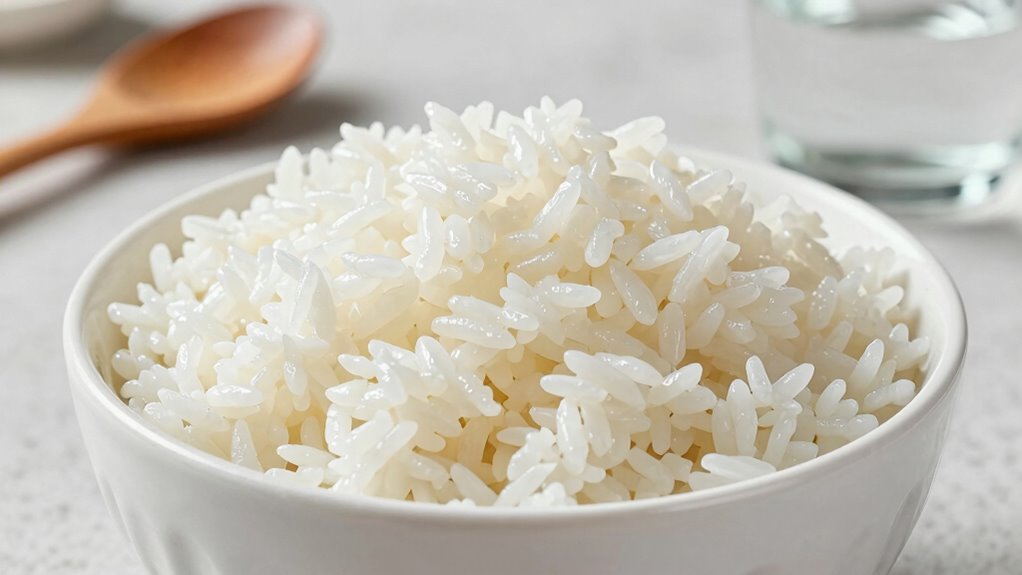

To reheat rice safely and avoid Fried Rice Syndrome, cool cooked rice quickly using shallow containers and refrigerate within two hours, keeping it at 40°F or below. Reheat thoroughly to 165°F, stirring midway to ensure even heating. Don’t leave leftovers out for long or reheat repeatedly. Always check for signs of spoilage before eating. Staying mindful of these steps will help you enjoy leftover rice without health risks—discover more tips to stay safe.

Get kitchen gear delivered free — and shop member deals
- Fast, free delivery on millions of items
- Access to Prime Big Deal Days deals on October 6–7
- Prime Video, Amazon Music and more included
Key Takeaways
- Cool cooked rice quickly in shallow containers and refrigerate within two hours to prevent bacterial growth.
- Reheat rice to at least 165°F (74°C) thoroughly, stirring midway for even heating.
- Store leftovers in airtight containers and consume within 1-3 days to minimize spoilage risk.
- Avoid reheating rice multiple times; reheat only the portion you plan to eat.
- Check for signs of spoilage like off-smell, sliminess, or discoloration before eating.
airtight food storage containers for rice
As an affiliate, we earn on qualifying purchases.
As an affiliate, we earn on qualifying purchases.
Why Reheating Rice Safely Matters (Understanding the Risks of Fried Rice Syndrome)

Reheating rice safely is essential because improperly stored or reheated rice can cause food poisoning, known as Fried Rice Syndrome. This happens because rice can harbor bacterial contamination, specifically Bacillus cereus, which survives cooking. If you leave rice at room temperature too long, these bacteria multiply rapidly. When you reheat rice without proper handling, the heat may not eliminate all bacteria, increasing your risk of food poisoning. Consuming contaminated rice can lead to symptoms like nausea, vomiting, and diarrhea. Additionally, understanding the importance of proper storage and reheating techniques helps prevent bacterial growth, which is crucial for maintaining food safety. Proper cooling methods and timely refrigeration are also vital to prevent bacteria from multiplying in leftover rice. Recognizing the temperature danger zone can help you better understand how bacteria proliferate when rice is left out too long. Implementing safe reheating practices ensures the destruction of bacteria and minimizes health risks. Proper storage and handling are essential to avoid creating an environment conducive to bacterial proliferation and ensure food safety. Understanding these risks highlights the importance of reheating rice properly and storing it correctly. Safe practices help you avoid bacterial contamination and prevent Fried Rice Syndrome, ensuring your meal remains safe and healthy to eat.
digital food thermometer for reheating
As an affiliate, we earn on qualifying purchases.
As an affiliate, we earn on qualifying purchases.
How to Store Cooked Rice to Prevent Bacterial Growth

After cooking rice, you should cool it quickly to prevent bacteria from growing. Store it in airtight containers to keep out contaminants, and refrigerate it promptly. These steps help keep your rice safe to reheat later. Proper piercing care and hygiene can also be applied to handling food safely by maintaining cleanliness to prevent bacterial transfer. Additionally, maintaining proper air quality considerations in your kitchen, such as good ventilation, can help reduce airborne bacteria. Ensuring your kitchen has adequate temperature control can further inhibit bacterial growth during storage. Implementing proper food storage practices is essential to prevent the development of harmful bacteria during storage.
Cool Quickly After Cooking
To prevent harmful bacteria from growing, it’s essential to cool cooked rice quickly and properly. The cooling process reduces the temperature fast enough to slow bacteria growth, which can occur rapidly at room temperature. After cooking, don’t leave rice sitting out for more than an hour. Instead, transfer it to shallow containers to maximize surface area and speed up cooling. Stir the rice occasionally to release heat more effectively. Additionally, using proper storage techniques can help maintain safe temperatures and prevent contamination. Properly managing water quality in storage environments also plays a role in food safety. By cooling rice promptly, you minimize the window bacteria need to multiply to dangerous levels. This step is vital for safe leftovers and reduces the risk of food poisoning. Remember, the faster you cool cooked rice, the safer it is to store and reheat later. Quick cooling is your first line of defense against the “Fried Rice Syndrome.” Implementing proper reheating methods can further ensure that any bacteria present are eliminated before consumption.
Store in Airtight Containers
Storing cooked rice in airtight containers is essential for preventing bacterial growth and ensuring safety. Airtight containers keep moisture inside, which can promote bacteria if left unchecked. By sealing the rice properly, you control moisture levels and reduce the risk of spoilage. Make sure the container is clean and dry before adding the rice, and do not overfill it to allow proper sealing. Label the container with the date so you can track how long it’s been stored. Proper storage in airtight containers minimizes exposure to air and contaminants, slowing bacterial development. This simple step helps keep your rice safe to eat later and preserves its quality, preventing the “Fried Rice Syndrome” that results from improper storage. Understanding food safety practices is crucial for maintaining the quality and safety of your cooked rice. Additionally, storing rice at the correct temperature further inhibits bacterial growth and extends shelf life.
Refrigerate Promptly
Once you’ve sealed the cooked rice in an airtight container, refrigerating it promptly is key to preventing bacterial growth. Bacteria can multiply rapidly at room temperature, increasing the risk of foodborne illness. To guarantee food safety, refrigerate rice within one hour of cooking—sooner if it’s hot. Store rice in shallow containers to cool it quickly and evenly. Here’s a quick guide:
| Time to Refrigerate | Storage Tip |
|---|---|
| Within 1 hour | Use airtight containers |
| Keep below 40°C | Label with date |
| Consume within 1-3 days | Reheat thoroughly |
Proper refrigeration limits bacterial growth, keeping your leftovers safe to enjoy later. Additionally, understanding food safety principles can help prevent the “Fried Rice Syndrome” and other foodborne illnesses. Maintaining the correct storage temperature is essential in preventing bacterial proliferation and ensuring your leftovers remain safe. Following proper refrigeration practices can further reduce the risk of contamination and spoilage, especially when combined with temperature control measures.
rice cooling and storage containers
As an affiliate, we earn on qualifying purchases.
As an affiliate, we earn on qualifying purchases.
The Best Ways to Reheat Rice Safely at Home
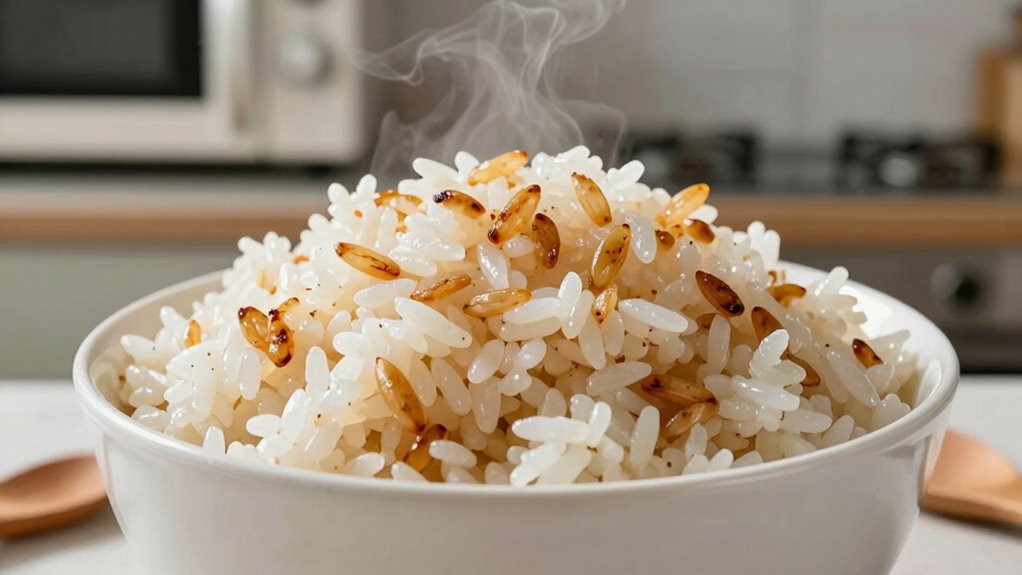
To reheat rice safely at home, you need to follow proper storage techniques first. Make sure to reheat it to the right temperature quickly and avoid leaving it out too long. Paying attention to timing and storage limits helps prevent bacteria growth and keeps your rice safe to eat. Additionally, using proper storage techniques can significantly reduce the risk of foodborne illnesses like the “Fried Rice Syndrome.” Proper reheating can also prevent bacterial growth, which is essential for clear communication and avoiding misunderstandings related to food safety instructions. Ensuring thorough reheating can also aid in mastering R sounds, which is essential for clear communication and avoiding misunderstandings related to food safety instructions. Proper reheating not only preserves rice quality but also minimizes health risks associated with improperly stored leftovers.
Proper Storage Techniques
Proper storage is essential for keeping cooked rice safe to eat later. To prevent bacteria growth, you should cool rice quickly and use suitable storage containers. Choose shallow, airtight containers to maintain food safety and prevent contamination. Label containers with dates to track freshness and avoid keeping rice longer than 1-2 days. Store rice in the refrigerator at or below 40°F (4°C). Avoid leaving rice out at room temperature, which risks harmful bacteria develop. Proper storage techniques prevent the “Fried Rice Syndrome” and ensure your reheated rice is safe. Use the following table to understand storage options better:
| Storage Method | Benefits |
|---|---|
| Airtight Containers | Keeps rice fresh, prevents odors |
| Glass or Plastic | Easy to clean, reusable |
| Shallow Storage | Promotes quick cooling |
| Labeling | Tracks freshness and safety |
Reheating Temperature Tips
Reheating rice to a safe temperature is essential to eliminate any remaining bacteria and prevent foodborne illness. To do this effectively, prioritize microwave safety by using microwave-safe containers and covering the rice to retain moisture and ensure even heating. Always aim for a temperature of at least 165°F (74°C), which kills harmful bacteria. Use a food thermometer to check the rice’s temperature, especially if reheating in the microwave, where uneven heating can occur. Stir the rice midway through reheating to promote uniform temperature control. Avoid rewarming more than once, as repeated heating can increase bacterial growth. Proper temperature control and microwave safety are crucial for safe reheating, especially considering food safety guidelines that emphasize thorough heating. Additionally, understanding safe reheating practices can further reduce health risks. By focusing on proper temperature control and microwave safety, you minimize health risks and enjoy your rice safely.
Timing and Storage Limits
Storing leftover rice properly is essential to prevent bacterial growth, which can occur when rice is left at unsafe temperatures for too long. To keep it safe, follow recommended timing intervals and storage durations. You should refrigerate cooked rice within two hours of cooking and consume it within 1 to 3 days. Avoid keeping rice at room temperature for extended periods, as bacteria can multiply rapidly. Use airtight containers to maintain freshness and prevent contamination. Always reheat rice to at least 165°F (74°C) before eating. Remember, the key is to limit storage durations and adhere to safe timing intervals to prevent the Fried Rice Syndrome. Proper timing and storage are your best defenses against harmful bacteria and food poisoning. Additionally, being aware of the storage limits for cooked rice can help prevent health risks associated with improper handling. It’s also helpful to monitor temperature during storage to ensure rice remains within a safe range.
reheat rice safe microwave cover
As an affiliate, we earn on qualifying purchases.
As an affiliate, we earn on qualifying purchases.
How to Tell If Reheated Rice Is Unsafe to Eat
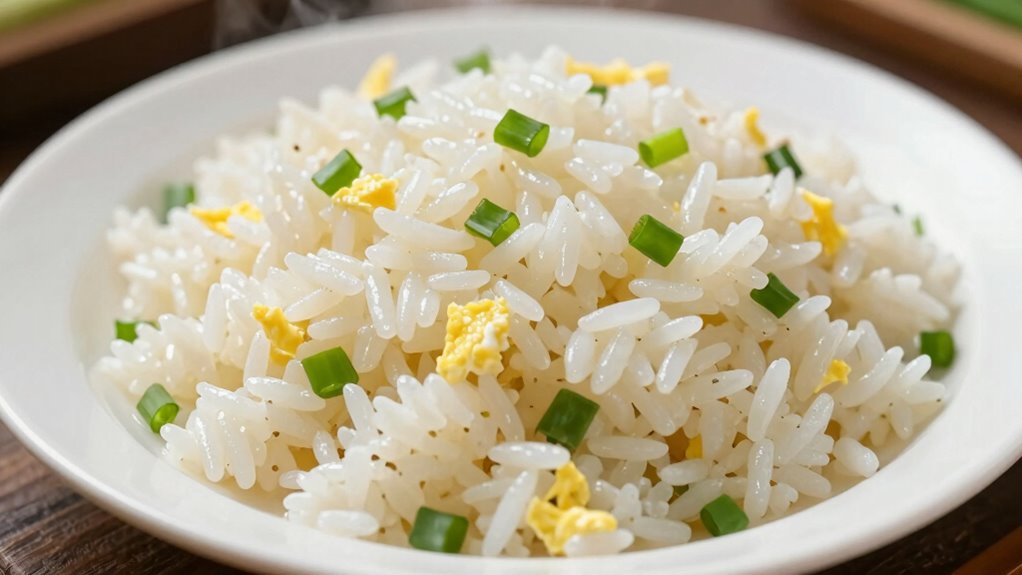
You can often tell if reheated rice is unsafe to eat by looking for certain signs. If the rice has an unusual smell, slimy texture, or discoloration, it’s a red flag. Bacterial growth, especially from bacteria like Bacillus cereus, can cause food poisoning even if the rice looks and smells normal. Leftover rice that wasn’t cooled properly or left out too long provides a perfect environment for bacteria to multiply. If reheated rice tastes off or has a sour, bitter, or strange flavor, don’t risk eating it. Trust your senses—any abnormal signs indicate it’s unsafe. Remember, even if it looks fine, bacteria may still be present, so when in doubt, discard the rice to avoid illness.
Tips for Serving Leftover Rice Without Risk
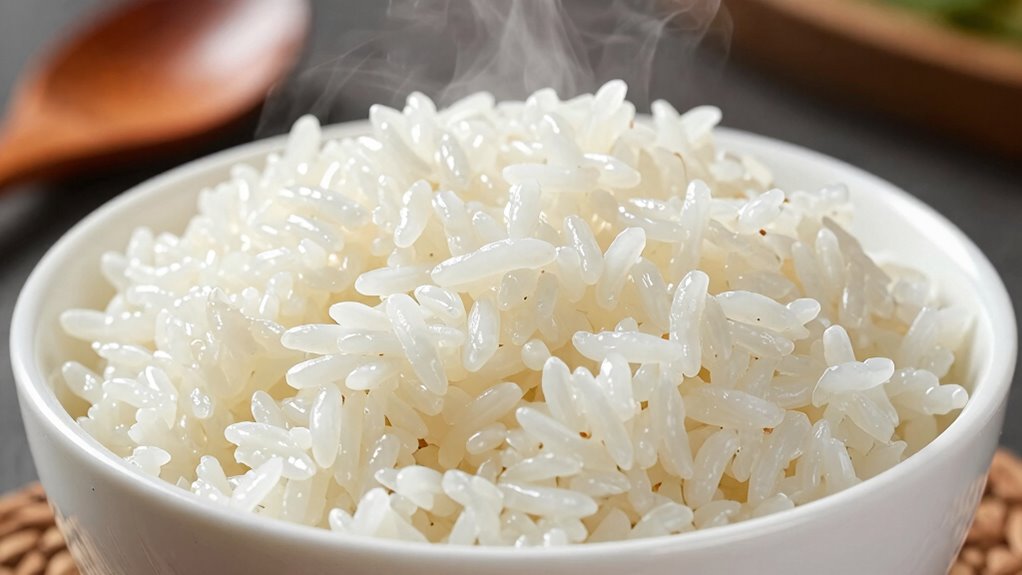
To serve leftover rice safely, proper handling from the moment it’s cooked is key. Keep rice at the right temperature to maintain its freshness and prevent bacteria growth. Store leftovers in airtight containers and refrigerate within two hours. When reheating, guarantee rice reaches 165°F to kill any bacteria. Serving rice promptly after reheating preserves its flavor and texture. Avoid letting rice sit out for too long, which can compromise safety and taste.
- Store rice in shallow, airtight containers for quick cooling
- Reheat only the portion you plan to eat
- Use a microwave or stovetop to heat evenly
- Add a splash of water to keep rice moist and flavorful
- Consume leftovers within 1-2 days for maximum freshness
Common Mistakes That Increase Food Poisoning Risks

One of the most common mistakes that increases food poisoning risks is leaving cooked rice at unsafe temperatures for too long. When rice isn’t stored properly, cross contamination risks rise, especially if it comes into contact with raw foods or dirty utensils. Failing to regulate storage temperature allows bacteria, like Bacillus cereus, to multiply rapidly. To avoid this, cool rice quickly and store it at or below 40°F (4°C) within two hours of cooking. Reheating rice that’s been left out too long or stored improperly won’t eliminate bacteria, making food poisoning more likely. Always use clean utensils and containers to prevent cross contamination, and keep rice out of the danger zone to ensure safe reheating and consumption.
Frequently Asked Questions
Can Reheated Rice Cause Food Poisoning Even if Stored Properly?
Yes, reheated rice can cause food poisoning even if stored properly. Many food poisoning myths suggest that proper storage eliminates all risks, but bacteria like Bacillus cereus can survive if rice isn’t cooled quickly or kept at the right temperature. Follow rice storage tips such as refrigerating within two hours and reheating thoroughly. This reduces your risk of food poisoning and keeps your leftovers safe to eat.
How Long Can Cooked Rice Safely Stay in the Refrigerator?
Like a ticking clock, your cooked rice has a limited shelf life. You should store it in the refrigerator for no more than 4 to 6 days, ensuring proper temperature control. After this period, bacteria can multiply rapidly, increasing the risk of food poisoning. Keep your rice fresh and safe by promptly refrigerating it and adhering to recommended storage durations, much like guarding a valuable treasure.
Is It Safe to Reheat Rice Multiple Times?
You shouldn’t reheat rice multiple times because each reheating cycle increases the risk of bacteria growth, especially if rice moisture isn’t properly controlled. Every time you reheat, bacteria can multiply, raising your chances of food poisoning. To stay safe, reheat only what you plan to eat, guarantee the rice is steaming hot, and store leftovers promptly in the fridge. This minimizes health risks and keeps your rice fresh.
What Are the Signs of Bacterial Contamination in Rice?
Bacterial contamination in rice can sneak up like a ninja, and you’ll notice it through visual spoilage—discoloration, sliminess, or mold—and strange odor changes that hit you like a punch to the nose. If rice looks or smells off, don’t take the risk. Toss it out immediately. Always trust your senses; they’re your best defense against eating spoiled rice and risking food poisoning.
Does the Type of Rice Affect Its Safety When Reheated?
Yes, the type of rice can affect its safety when reheated. Different grains, like jasmine or basmati, vary in texture and moisture, influencing how bacteria grow and how well nutrients are retained after cooking. You might find that some rice types reheat more evenly and stay safe longer, but always store leftovers properly and reheat thoroughly to prevent bacteria from thriving, regardless of the rice type.
Conclusion
Remember, reheating rice safely is like dancing with fire—you need to know the steps to avoid getting burned. By storing it properly, reheating thoroughly, and trusting your senses, you can enjoy leftovers without the risk of fried rice syndrome. Don’t let a simple mistake turn your delicious meal into a food poisoning nightmare. Stay vigilant, follow these tips, and keep your kitchen a safe place—because food safety isn’t just a rule, it’s your secret ingredient.
Fall Picks
fall essentials
As an affiliate, we earn on qualifying purchases.