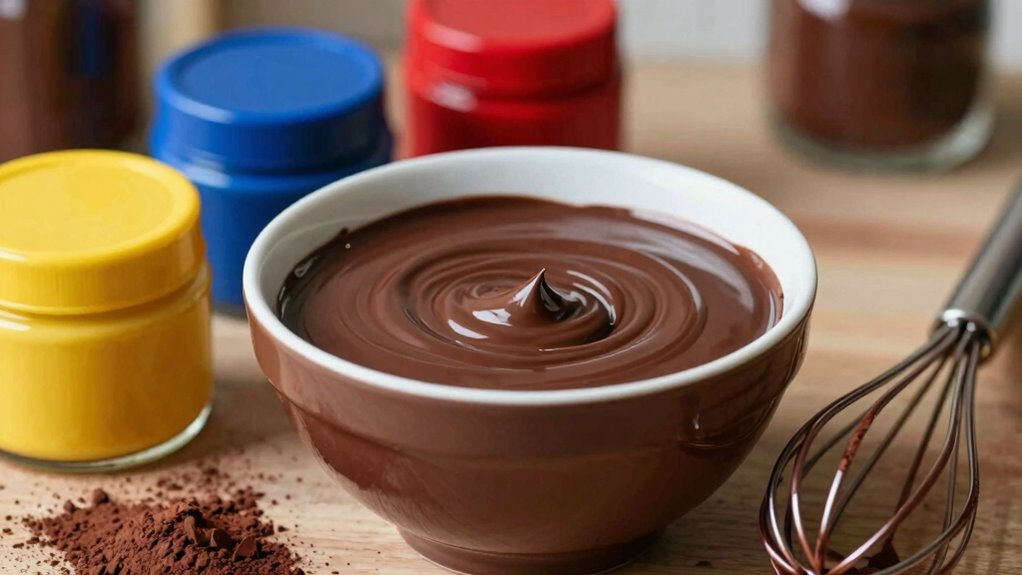

To color chocolate without ending up with a grainy, seized mess, start with high-quality chocolate that melts smoothly. Use a double boiler to gently melt it, stirring continuously. Avoid water, as it can cause seizing. Opt for gel-based dyes, adding a little at a time for the right shade. Monitor the temperature while reworking chocolate to keep it smooth and workable. By following these tips, you can guarantee beautiful, vibrant results that really pop. Discover more techniques to perfect your chocolate creations!
Key Takeaways
- Use high-quality chocolate with a good melting point to prevent seizing and graininess during the coloring process.
- Melt chocolate using a double boiler to avoid overheating and ensure smooth consistency.
- Incorporate gel-based dyes instead of liquid dyes to avoid moisture-related issues.
- Continuously stir chocolate while melting and reheating to maintain a smooth texture.
- Monitor chocolate temperature closely to prevent thickening and graininess.
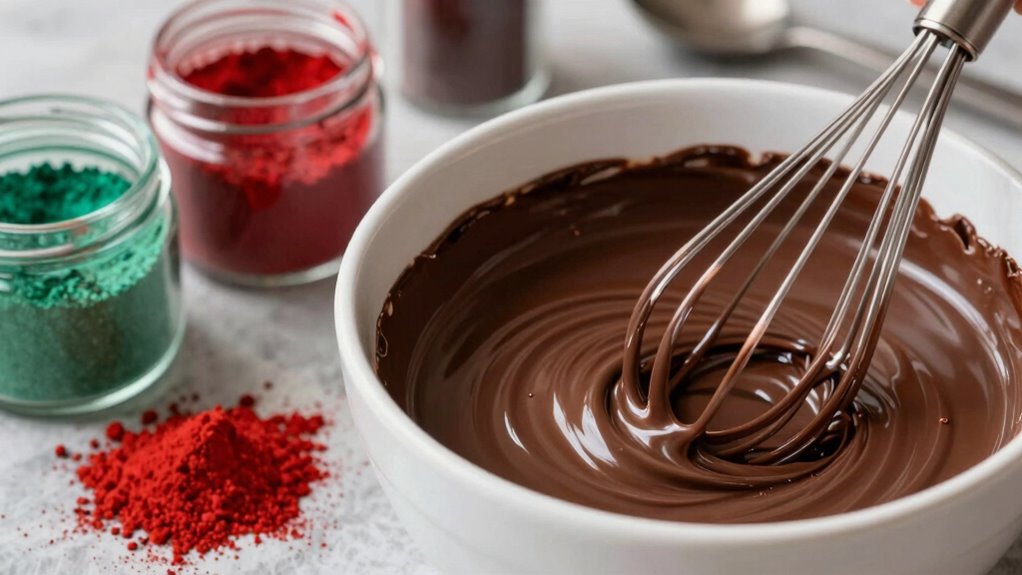
Coloring chocolate can transform your sweet creations into vibrant masterpieces. Whether you’re decorating cakes, cookies, or candies, the right coloring techniques can elevate your treats. But to achieve that eye-catching color without ending up with a grainy, seized mess, you need to understand the nuances of different chocolate types and how to work with them effectively.
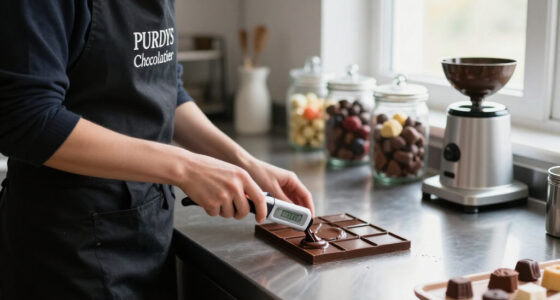
First off, choose the right chocolate. Some types, like white chocolate, are easier to color than dark or milk varieties because they provide a blank canvas. The key here is to select high-quality chocolate that melts smoothly. When it comes to melting methods, you can use a double boiler or the microwave, but be careful not to overheat. Chocolate can seize quickly if it gets too hot or if even a tiny bit of water gets in.
Choosing high-quality chocolate is crucial; white chocolate is ideal for coloring, while careful melting prevents seizing and ensures a smooth texture.
Once you’ve melted your chocolate, it’s time to incorporate food safe dyes. Gel-based dyes are often the best choice, as they mix well and won’t alter the consistency of your chocolate. Avoid liquid dyes, as they can introduce moisture, leading to graininess. Start with a small amount of dye, and remember that you can always add more. This is where color mixing comes into play. Experimenting with different shades can yield stunning results, creating vibrant blues, greens, or even a rich purple that’ll wow your guests.
Flavor pairing is another essential aspect. Some colors might suggest certain flavors, so think about what you’re creating. For instance, a bright orange could hint at a citrus flavor, while a deep red might evoke raspberry. Matching flavors with your colors not only enhances visual appeal but also creates a cohesive taste experience.
While coloring chocolate, keep an eye on the temperature. If it cools down too much, it can become thick and hard to work with. If you notice this happening, gently reheat it for a few seconds, stirring continuously. This will help you maintain a smooth texture, ensuring your creations look as good as they taste. Additionally, understanding the differences in chocolate types can help you choose the best base for your coloring projects.

Milk Chocolate Melting Wafers 5lb | Candy Melts for Fountain & Dipping
- Application: Ideal for Dubai Chocolate Bars and more
- Size: 5-pound resealable bag for freshness
- Quality: Premium smooth milk chocolate wafers
As an affiliate, we earn on qualifying purchases.
As an affiliate, we earn on qualifying purchases.
Frequently Asked Questions
Can I Use Gel Colors Instead of Powdered Colors for Chocolate?
Yes, you can use gel colors instead of powdered colors for chocolate, but be cautious! Gel colors can alter the chocolate’s consistency, especially during the melting process. Make sure to use gel colors that are compatible with chocolate to avoid any issues. Start by adding a small amount and mix thoroughly. If the chocolate seizes or thickens, you might need to adjust the quantity or consider using powdered colors instead. Enjoy your chocolate creations!
What Types of Chocolate Work Best for Coloring?
When it comes to coloring chocolate, white chocolate reigns supreme! Its high fat content and smooth texture make it the perfect canvas for vibrant colors. You can also use milk chocolate, but its darker base might dull your hues. Avoid dark chocolate, as its cocoa solids can clash with your colors. If you want to achieve stunning results, consider adding cocoa butter, which enhances the fat content and helps the colors pop beautifully!
How Do I Store Colored Chocolate After Use?
To store colored chocolate after use, keep it in an airtight container at room temperature, away from heat and moisture. This helps maintain its texture and color. If you’ve made a lot, you can refrigerate it, but let it come back to room temperature before using. Remember, chocolate shelf life varies, so try to use it within a month for the best flavor and quality. Enjoy your creative treats!
Can I Reheat Colored Chocolate Without Affecting the Color?
Yes, you can reheat colored chocolate without affecting the color, but you need to be careful. Did you know that chocolate can lose its sheen at temperatures above 90°F? To maintain that vibrant hue, use gentle heating methods, like a double boiler. If you’re cooling it down, try using cooling techniques like spreading it out on a marble surface. This way, you keep the color intact and avoid any grainy texture.
What Are Common Mistakes to Avoid When Coloring Chocolate?
When you’re coloring chocolate, avoid common mistakes like using water-based dyes, which can seize your chocolate. Stick to oil-based colorants for best results. Also, don’t overheat your chocolate types—keep it at a low temperature to maintain smoothness. Experimenting with different coloring techniques can help you find the right balance, but always remember to mix thoroughly to achieve even color. Finally, avoid adding too much color at once; it can overwhelm the chocolate.

Oil Based Food Coloring for Chocolate, 20 Colors Food Coloring Set for Cake Decorating – Nomeca Food Grade Edible Food Dye for Baking,Candy Melts Cookies Fondant – .25 Fl. Oz Bottles
- Food Grade and Safe: Edible, gluten-free, dairy-free, nut-free ingredients
- Variety of Colors: Includes 20 vibrant and unique shades
- High Concentration Formula: Thinner texture with intense, easy-to-blend color
As an affiliate, we earn on qualifying purchases.
As an affiliate, we earn on qualifying purchases.
Conclusion
In the world of chocolate artistry, remember: “A stitch in time saves nine.” By following these tips for coloring chocolate, you can avoid the frustration of grainy, seized messes. Embrace the vibrant hues and let your creativity shine, knowing that a little care goes a long way. With practice, your sweet creations will not only look stunning but also taste divine. So, roll up your sleeves and plunge into the delicious adventure of coloring chocolate!
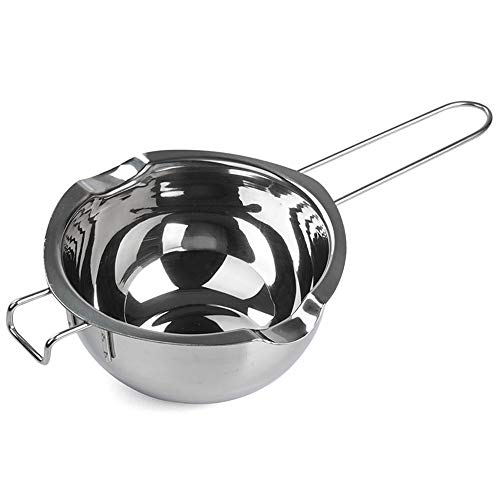
Stainless Steel Double Boiler Pot for Melting Chocolate,Candle Making 480ML
- Material: 18/8 stainless steel, rust-resistant
- Capacity: 480ml (2 cups) size
- Versatile Use: Melting butter, chocolate, candles
As an affiliate, we earn on qualifying purchases.
As an affiliate, we earn on qualifying purchases.

Food Coloring for Baking – 26 Vibrant Cake Coloring Liquid Set for Dessert Decorating, Food Grade Food Dye for Icing,Fondant,Cookies,Easter Egg,Making DIY Supplies Kit- 0.25 Fl. oz/Bottles
- Food Grade and Safe: Non-toxic, gluten-free, odorless, tasteless
- Vibrant and Rich Colors: Includes 26 specially crafted colors
- Versatile Usage: Suitable for cakes, icing, cookies, and holidays
As an affiliate, we earn on qualifying purchases.
As an affiliate, we earn on qualifying purchases.