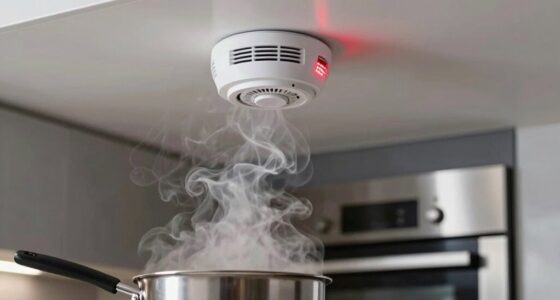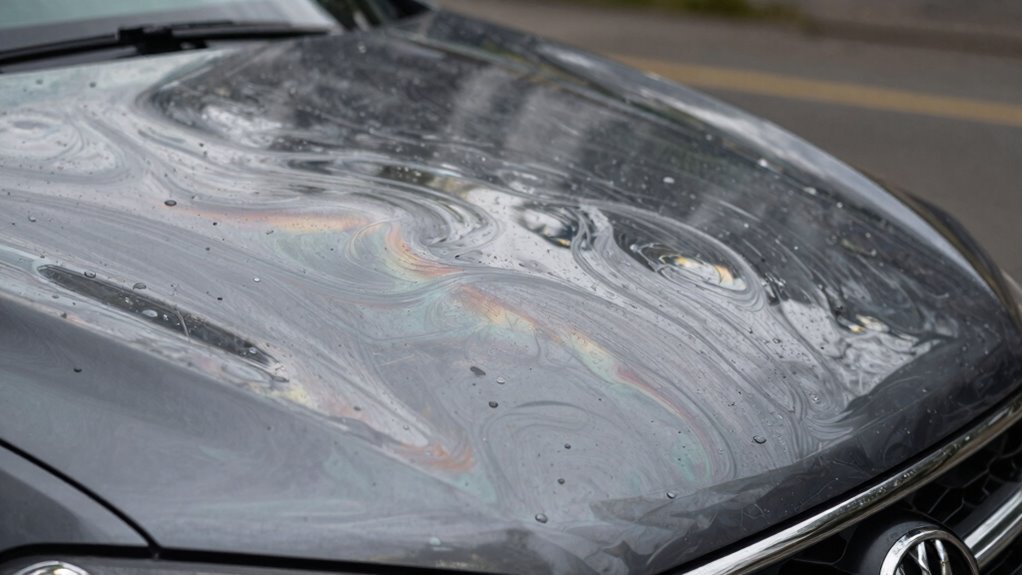
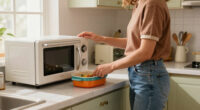
Grease film forms when tiny oil particles, dust, and residues settle on surfaces during cooking. Hot oil releases vapors and splatters that spread and stick to nearby surfaces, especially in poorly ventilated kitchens where fumes linger longer. Regular cleaning, improving airflow, and enhancing ventilation can prevent buildup. If you keep uncovering this slick layer, there’s more to uncover about how to control and eliminate it effectively.

Get kitchen gear delivered free — and shop member deals
- Fast, free delivery on millions of items
- Access to Prime Big Deal Days deals on October 6–7
- Prime Video, Amazon Music and more included
Key Takeaways
- Tiny oil particles and vapors from cooking settle on surfaces, creating a greasy film over time.
- Poor kitchen ventilation allows vapors and oil droplets to linger and deposit more quickly.
- Regular cleaning and wiping prevent buildup before it becomes visible or sticky.
- Improving airflow reduces airborne oil particles, minimizing surface coating.
- Using proper cleaning techniques and maintaining good ventilation are essential for prevention.
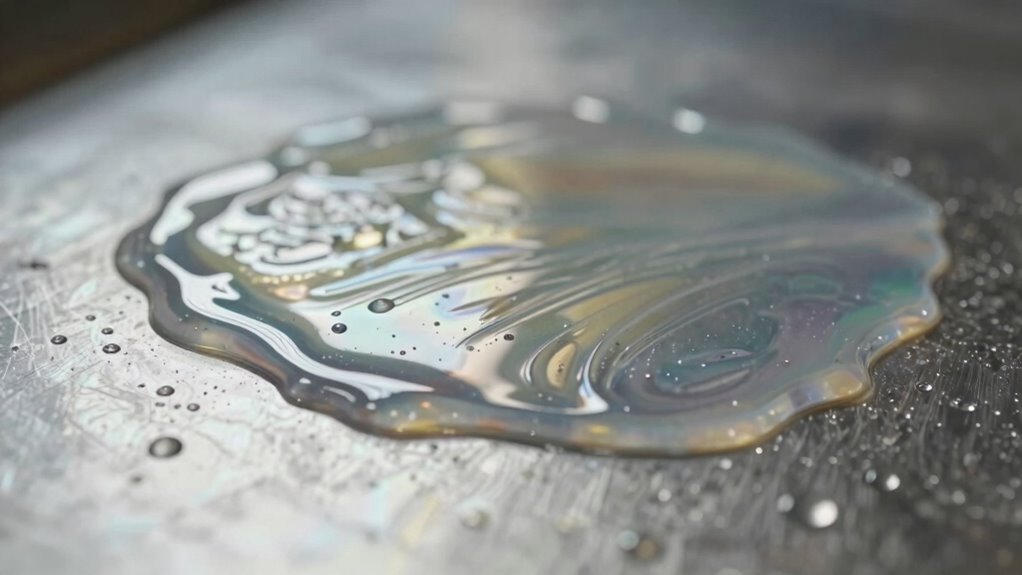
Have you ever noticed a mysterious greasy film forming on your kitchen surfaces or bathroom fixtures? It’s a common problem that leaves you wondering where it’s coming from and how to get rid of it. Most often, this film is made up of tiny particles of cooking oil, dust, and other residues that settle and build up over time. When you cook with oil, especially frying or sautéing, small splatters and vapors escape into the air. These tiny droplets settle on nearby surfaces, forming a thin, greasy layer. Over time, this layer becomes more noticeable, especially in areas where cleaning isn’t as frequent or thorough. This greasy film isn’t just unsightly; it can also attract dirt and bacteria, making it a concern for maintaining good kitchen hygiene.
The buildup of cooking oil residue is a primary contributor to this greasy film, and it can happen even if you’re cautious about splatters. The vapor from hot oil rises and spreads, settling on surfaces that aren’t directly in your line of sight. This is why your stovetop, backsplash, and even nearby cabinets often develop a slick, shiny coating. Poor ventilation compounds the problem, as smoke and vapors linger longer, depositing more oil particles onto surfaces. If your kitchen isn’t cleaned regularly, these particles fuse into an invisible layer that eventually becomes quite noticeable. Regular cleaning routines that include wiping down surfaces can prevent buildup, and incorporating proper cleaning techniques can enhance your efforts. Additionally, air circulation plays a crucial role in reducing the amount of airborne oil droplets that settle on surfaces. Improving kitchen ventilation can significantly reduce the accumulation of greasy films and maintain a cleaner environment. Maintaining a clean and well-ventilated space reduces the chances of a greasy film forming and keeps your kitchen hygienic.
As an affiliate, we earn on qualifying purchases.
Frequently Asked Questions
Can Using Too Much Detergent Cause Grease Film?
Yes, using too much detergent can cause a grease film. Excess detergent, especially certain types like dish soap or heavy-duty cleaners, leaves residues if not rinsed thoroughly. Your dishwashing techniques matter—make sure you use the right amount and rinse well. Overusing detergent overwhelms your dishwasher’s ability to rinse away all the soap, leaving behind a greasy film on dishes and glasses.
Does Water Temperature Affect Grease Buildup?
Yes, water temperature effects can influence grease buildup, as hot water helps break down grease more effectively than cold water. Higher temperatures reduce grease adhesion to surfaces, making it easier to rinse away. Conversely, colder water may cause grease to stick more stubbornly, leading to increased film formation. To prevent grease buildup, use warm or hot water during washing, especially when dealing with greasy dishes or surfaces.
Are Some Dishwashers More Prone to Grease Film?
Some dishwasher models are downright notorious for leaving a greasy film, almost as if they have a secret vendetta against spotless dishes! Brand comparisons reveal that cheaper or older models often struggle with grease buildup, while high-end, modern dishwashers use advanced cleaning tech to fight it off. If you want to dodge the greasy curse, invest in a reputable brand and pick a model known for powerful, thorough cleaning.
How Often Should I Clean My Dishwasher’s Filter?
You should clean your dishwasher’s filter at least once a month to prevent buildup of detergent residue and grease. Regular cleaning guarantees proper drainage and prevents grease film. When cleaning, remove any debris and scrub the filter gently. Using rinse aid during cycles can also help prevent grease film by improving drying and reducing residue. A clean filter and proper rinse aid use keep your dishwasher running efficiently and your dishes spotless.
Can Hard Water Contribute to Grease Residue?
Imagine water with a high mineral content, like tiny, stubborn grains clinging to your dishes. Hard water causes water mineralization, leading to soap residue that doesn’t rinse away easily. This residue can create a greasy film on your dishes and inside your dishwasher, trapping grease. So, yes, hard water contributes to grease residue, making your cleaning less effective. Installing a water softener can help break down these mineral buildup and improve results.
As an affiliate, we earn on qualifying purchases.
Conclusion
Think of grease film like a stubborn stain on your favorite shirt—it seems harmless at first, but left unchecked, it can ruin everything. I once ignored a tiny film on my kitchen pan, only to find it turned into a thick, stubborn layer after weeks. By understanding why it happens and taking simple steps to prevent it, you can keep your appliances shining and running smoothly. Don’t let grease film become a mystery; solve it before it sticks around!
As an affiliate, we earn on qualifying purchases.
As an affiliate, we earn on qualifying purchases.
Fall Picks
fall essentials
As an affiliate, we earn on qualifying purchases.