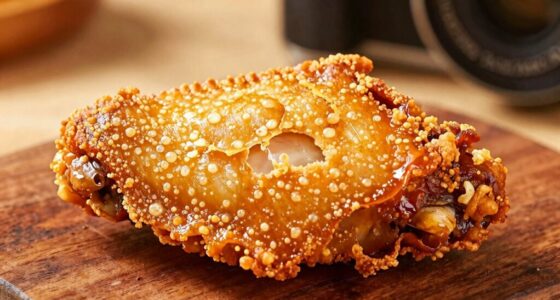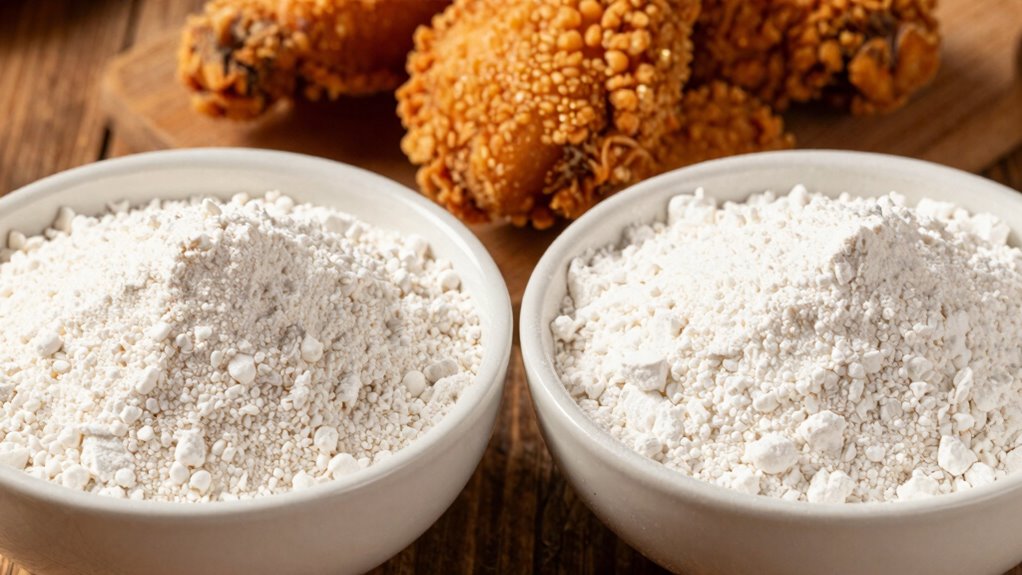

When choosing between cornstarch and flour for crispy coatings, cornstarch creates a light, delicate, and crisp finish that’s perfect for a crackly, airy crust. Flour, on the other hand, produces a thicker, softer coating with more chew and structure. If you want a subtle crunch, go with cornstarch, but for a heartier bite, flour works better. Keep exploring how each ingredient impacts texture to get the perfect result every time.
Key Takeaways
- Cornstarch creates a lighter, crisper coating with a delicate crunch, ideal for a tender, crackly finish.
- Flour produces a thicker, sturdier crust with more chew and elasticity, suitable for hearty coatings.
- Cornstarch absorbs moisture quickly, promoting rapid crispness during frying or baking.
- Flour contains gluten, providing structure and elasticity but resulting in a softer, thicker coating.
- Use cornstarch for delicate, airy crunch; use flour for more substantial, durable coatings.
How Do Coatings Make Food Crispy?
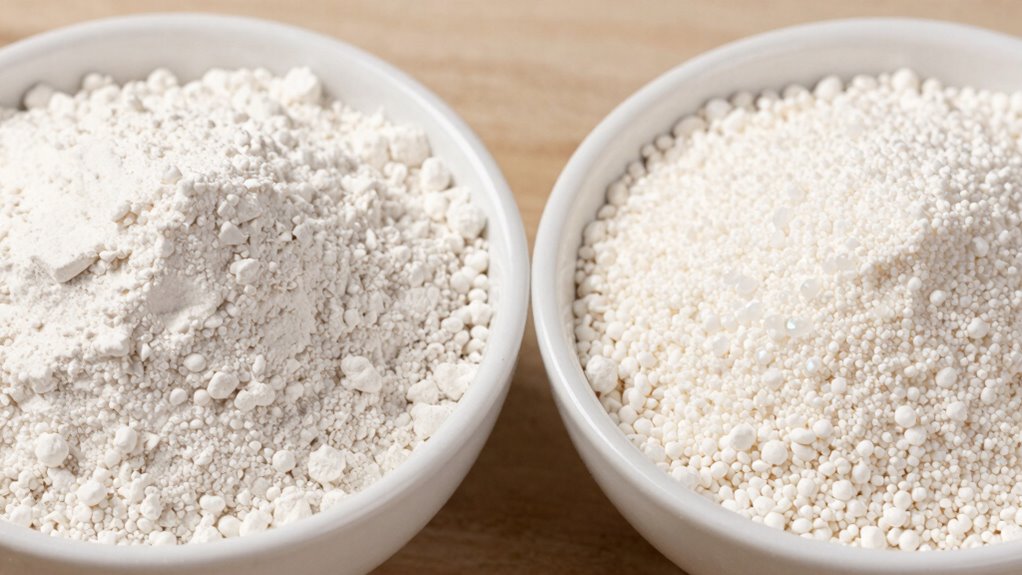
Have you ever wondered how coatings turn food crispy? It all comes down to baking techniques that create a barrier, trapping moisture and allowing heat to crisp the exterior. When you coat food in ingredients like cornstarch or flour, you’re fundamentally forming a thin layer that undergoes rapid dehydration during cooking. This process encourages Maillard reactions, which enhance flavor and give that appealing golden-brown color. The coating also helps distribute heat evenly, ensuring a uniform crispiness. Choosing the right coating can intensify flavor and improve texture, making each bite satisfyingly crunchy. Additionally, understanding how coating properties influence moisture retention and heat transfer can further help you perfect your crispy coatings. Proper application of coating thickness can also influence the final texture, ensuring an ideal balance between crunch and tenderness, and considering proper cooking temperature can further improve the crispiness. Mastering cooking techniques can help you achieve the perfect crispy coating every time.
How Does Cornstarch Give a Light, Crunchy Finish?
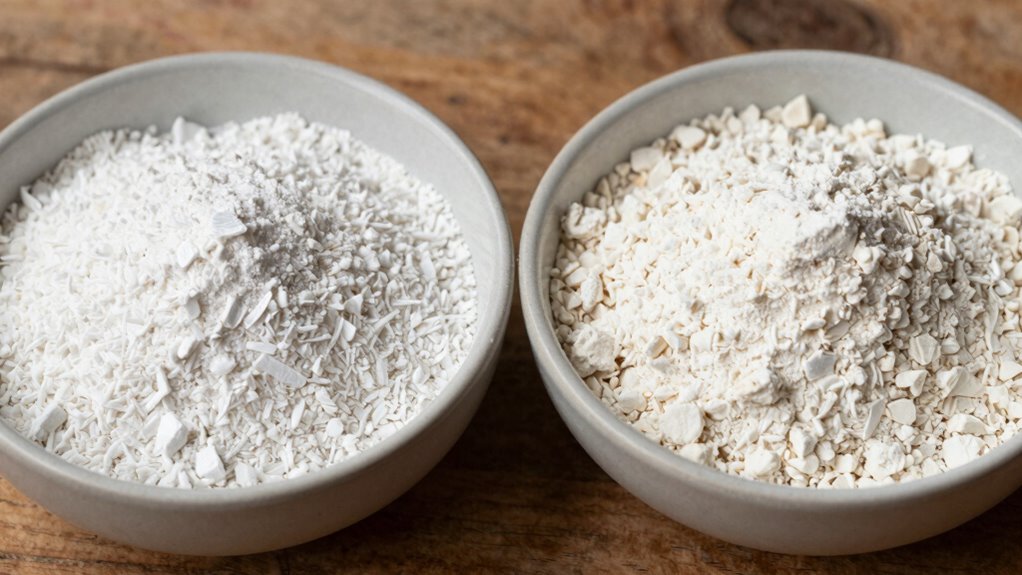
Ever wonder why cornstarch creates such a light and airy crunch? It’s all about the texture contrast it offers. Cornstarch forms a delicate, crisp coating that’s less dense than flour, giving your food a satisfying crunch without feeling heavy. This lightness allows the interior to remain tender, enhancing the overall eating experience. Additionally, cornstarch helps improve flavor by creating a smoother, more even surface for seasonings and spices to stick. Its fine particles absorb moisture efficiently, aiding in quick crisping at high temperatures. As a result, your dish develops a pleasing, crunchy exterior that contrasts beautifully with the tender interior, elevating both texture and flavor profiles. Understanding food science can help you perfect your coating techniques for better results. Incorporating coating techniques can further optimize your process and achieve more consistent, satisfying textures. Using moisture absorption properties effectively can also enhance crispiness and prevent sogginess. Exploring ingredient differences can further refine your approach to achieving the perfect coating.
Why Does Flour Make a Thicker, Softer Coating?
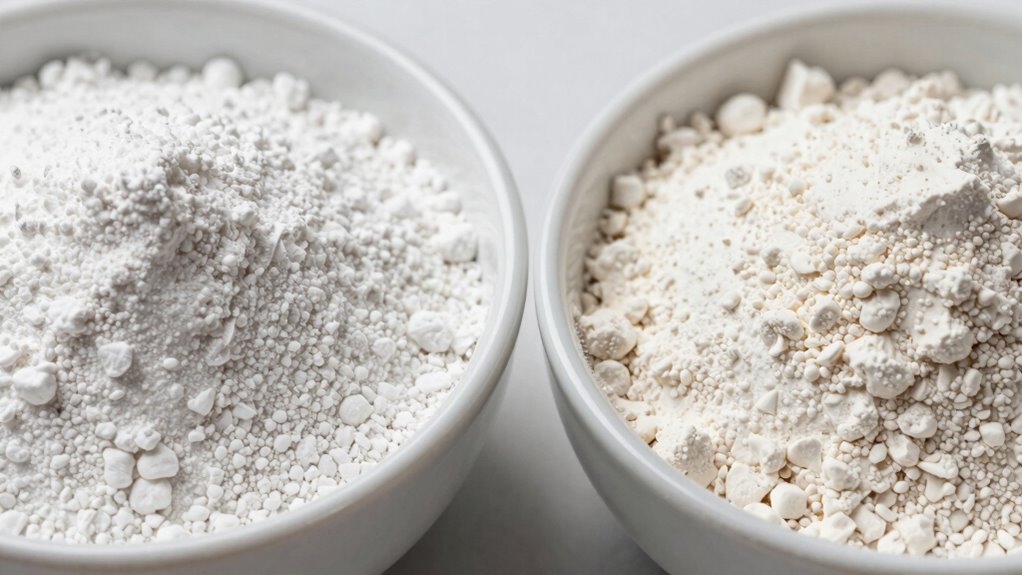
Flour contains more gluten than cornstarch, which helps create a thicker, softer coating. Its higher gluten content means it absorbs more moisture, resulting in a doughier texture. This absorption makes your coating less crispy but more tender. Additionally, the versatile applications of flour in various culinary uses contribute to its ability to produce these characteristics. Moreover, the protein content of flour influences its binding and structure-forming properties, affecting the overall texture of the coating. The growing AI workforce in fields like AI software engineering and cybersecurity reflects ongoing technological advancements, demonstrating how specialized skills are increasingly valued. Recognizing the benefits of curiosity can also inspire cooks to experiment with different ingredients and techniques, leading to more innovative and satisfying culinary results.
Higher Gluten Content
Because flour contains a higher amount of gluten-forming proteins, it develops a stretchy, elastic network when mixed with liquids. This gluten development creates a strong protein structure that gives your coating its thicker, softer texture. As you knead or mix the flour with liquid, the proteins bond, forming a flexible matrix that traps air and moisture. This network allows the coating to expand slightly during cooking, resulting in a tender, chewy bite. The protein structure also provides resilience, preventing the coating from becoming brittle or overly crispy. In essence, the higher gluten content in flour influences the coating’s thickness and softness, making it ideal for recipes where you want a more substantial, yet tender crust.
Absorbs More Moisture
Why does flour create a thicker, softer coating? It’s because flour absorbs more moisture during the coating process, which leads to texture enhancement. When you use flour, it pulls in water from the marinade or wet ingredients, creating a damp, sticky surface. This increased moisture absorption results in a coating that’s thicker and more pliable, giving it that soft, tender quality. The higher moisture content also helps the coating adhere better to the food, preventing it from cracking or falling off during cooking. Unlike cornstarch, which remains relatively dry and crisp, flour’s ability to retain moisture creates a softer, more substantial layer. This makes flour-based coatings ideal if you’re aiming for a tender, thicker crust with a cozy, textured bite. Additionally, the historical significance of using flour in coatings highlights its longstanding role in culinary traditions for achieving hearty, comforting textures. Moreover, using flour can sometimes contribute to a more versatile coating that can be seasoned in numerous ways to enhance flavor. Incorporating moisture retention techniques can further improve the coating’s texture and adherence, making it a popular choice among cooks.
Cornstarch vs. Flour: Which Is Better for Crispy Coatings?

When choosing a coating for crispy, golden results, cornstarch and flour each have their strengths, but which one produces the ultimate crunch? Cornstarch is known for creating a superior texture contrast, delivering an ultra-crispy, light finish that’s ideal for achieving that satisfying crunch. It forms a delicate, crackly crust that enhances the overall eating experience. Flour, on the other hand, provides a sturdier base that’s excellent for thicker coatings and offers a more substantial bite. Additionally, cornstarch can subtly boost flavor enhancement, giving your dish a clean, neutral backdrop that allows seasonings to shine. Proper coating techniques can further improve the crispness and help achieve the desired texture. Using the right application methods can also influence how well the coating adheres and crisps up during cooking. For best results, understanding the properties of each ingredient can help you select the ideal coating for different recipes. Ultimately, cornstarch is your go-to if you want maximum crispiness and texture contrast, while flour offers a more balanced, hearty coating.
When Should You Use Cornstarch or Flour in Your Recipes?
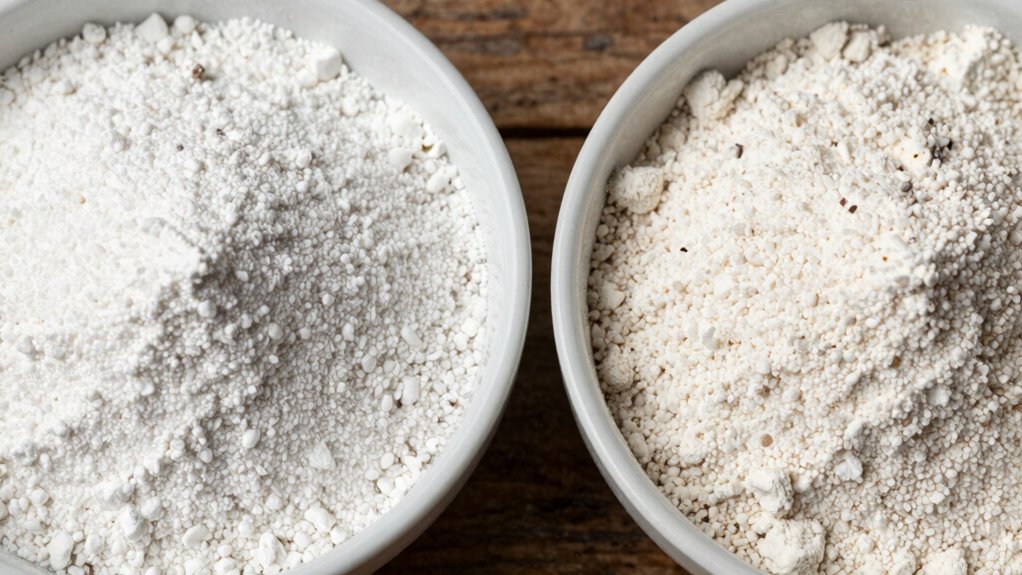
Choosing between cornstarch and flour depends on the type of dish you’re making and the desired texture. Use cornstarch when you want a light, crispy coating, especially for frying or baking applications that benefit from a delicate crunch. Cornstarch creates a smooth surface with minimal gluten development, perfect for gluten-sensitive diets. On the other hand, opt for flour when you need more structure or a thicker batter, such as in breading or doughs. Flour’s gluten formation helps bind ingredients and adds firmness, making it suitable for baked goods that require elasticity. Consider your recipe’s goal: for crispness and a tender bite, cornstarch is ideal; for structure and chewiness, flour works best. Knowing these differences helps you choose the right ingredient for perfect results. Understanding gluten development can guide you further in selecting the appropriate thickening or coating agent, especially when considering flour’s role in baked goods, which impacts their texture and elasticity. Additionally, understanding moisture absorption can influence how these ingredients perform in different recipes.
Tips to Maximize Crunch With Cornstarch or Flour?
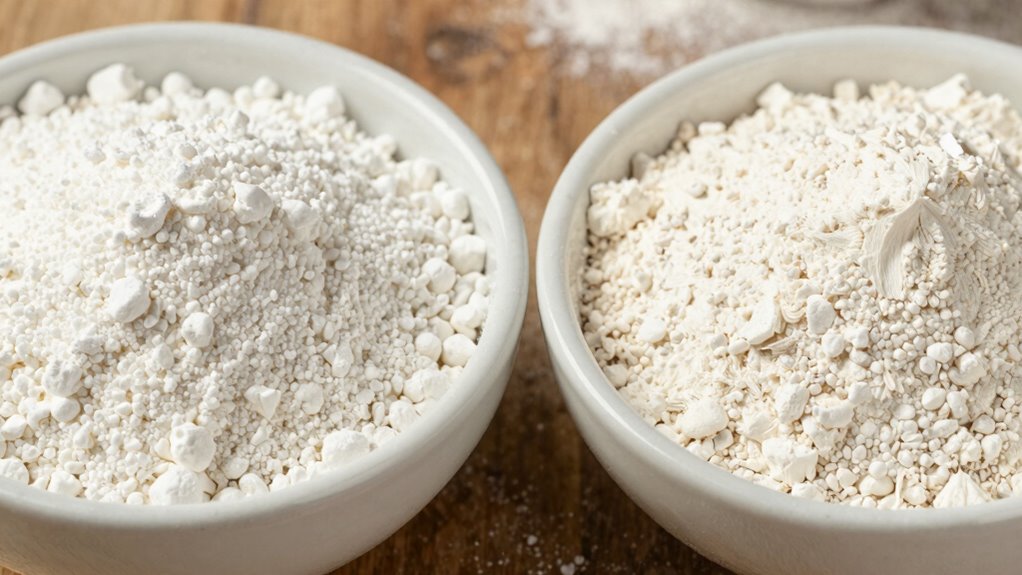
To maximize crunch with cornstarch or flour, start by preparing your coating properly. Use seasoning techniques that enhance flavor without adding moisture, which can soften the coating. For a crisp texture, keep your coating layer thin and even—thicker coatings tend to reduce crunch. Lightly dust your food with seasoning before applying the cornstarch or flour, ensuring the coating adheres well. When coating, avoid overcrowding the pan, as this can cause steam and prevent crispness. For extra crunch, consider mixing in a small amount of baking powder or cornstarch. In addition, controlling moisture levels during preparation helps maintain the desired crunch in fried foods. In conclusion, cook at the right temperature—hot enough to quickly set the coating without burning it—so you achieve that desirable, crispy finish. Proper water chemistry and controlling moisture levels are essential for consistent crispness in fried foods.
Frequently Asked Questions
Can You Mix Cornstarch and Flour for the Best Coating?
Yes, you can mix cornstarch and flour for the best coating. Use a ratio like 1:1 or adjust based on your preference to improve coating adhesion and achieve a crisp texture. Mixing these ingredients creates a balanced coating that’s light and crispy, preventing sogginess. Experiment with different ratios to find what works best for your recipe, ensuring your fried foods turn out perfectly crispy and flavorful every time.
How Does Temperature Affect the Crispiness of Coatings?
Ever wonder why some coatings turn out perfectly crispy while others fall flat? It all hinges on oil temperature. When you heat the oil just right, usually around 350°F, your coating crisps up beautifully, locking in that satisfying crunch. Too hot, and it burns; too cold, and it becomes soggy. Keep a thermometer handy, and you’ll master the art of perfect, crispy coatings every time.
Are There Health Differences Between Cornstarch and Flour Coatings?
You might notice health differences between cornstarch and flour coatings. Cornstarch is gluten-free, making it suitable for those with gluten sensitivities, while flour contains gluten, which some people need to avoid. In calorie comparison, cornstarch generally has fewer calories per serving than flour. So, if you’re watching gluten intake or calorie consumption, cornstarch could be the better choice for a lighter, gluten-free coating option.
Does Gluten in Flour Influence the Texture of the Coating?
Yes, gluten in flour influences the texture of your coating. Gluten development makes the coating more elastic, giving it a chewy or chewy-like quality. This elasticity can affect how crisp or tender your coating turns out. If you want a lighter, crunchier crust, using less gluten or choosing cornstarch might be better. But if you prefer a more elastic, slightly chewy coating, flour with gluten will work in your favor.
Can Cornstarch Be Used as a Substitute for Flour in Baking?
Think of cornstarch as a secret weapon in your baking arsenal. You can use it as a substitute for flour, especially if you’re aiming for a light, crispy texture. Just remember, cornstarch’s fine and powdery nature makes it ideal for coatings and thickening, but it lacks gluten, so it won’t provide the same structure in baked goods. Adjust your ingredient substitutions accordingly to master your baking techniques.
Conclusion
Choosing between cornstarch and flour can turn your dishes from good to mind-blowingly crispy. When you want that ultra-light, crackling crunch, cornstarch is your secret weapon—like a magic spell for crispiness. But for a thicker, softer coat, flour’s got you covered. Experiment with both to reveal culinary greatness. With these tips, your coatings will outshine even the crispiest fried dreams—your kitchen will become a fortress of irresistible crunch!