To prevent your lunch from spoiling at work, use insulated containers and add ice packs to keep cold foods below 40°F and hot foods warm. Choose durable, food-safe containers made from non-reactive materials like stainless steel or glass. Pack perishable items promptly and store them promptly in the fridge or with cooling packs. Proper hygiene and regular temperature checks help make certain safety. For more tips on packing safe, fresh lunches, keep exploring further.

Get kitchen gear delivered free — and shop member deals
- Fast, free delivery on millions of items
- Access to Prime Big Deal Days deals on October 6–7
- Prime Video, Amazon Music and more included
Key Takeaways
- Use insulated containers and ice packs to keep perishable foods below 40°F during the workday.
- Pack hot foods in thermal flasks and pre-warm containers to maintain safe temperatures.
- Store raw meats separately and wash hands thoroughly to prevent cross-contamination.
- Label food with packing date and consume or discard leftovers within safe timeframes.
- Regularly check and replace ice packs, and clean lunchboxes to prevent mold and bacterial growth.
insulated lunch containers for hot and cold food
As an affiliate, we earn on qualifying purchases.
As an affiliate, we earn on qualifying purchases.
Why Do Lunches Spoil and How Can You Prevent It?
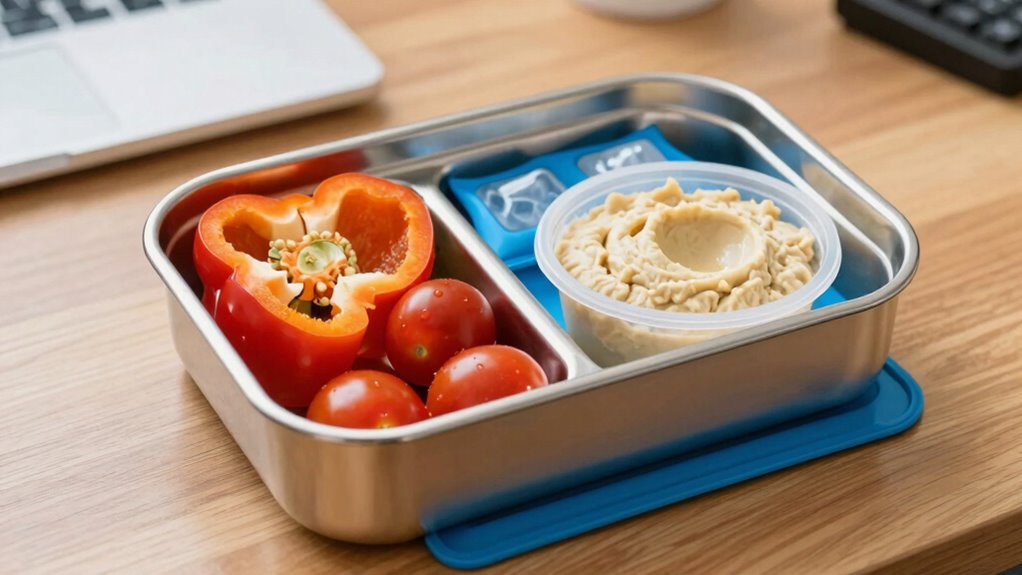
Lunches spoil mainly because bacteria and mold thrive when food stays too warm or is left out for too long. Foodborne bacteria can multiply rapidly at room temperature, increasing the risk of illness. Mold growth also occurs when food isn’t stored properly, especially in moist environments. When bacteria and mold develop, they produce toxins that can cause food poisoning and spoil the taste and smell of your lunch. To prevent this, you need to keep perishable foods cold and avoid leaving them out for extended periods. Proper storage slows down bacteria and mold growth, preserving your food’s safety and quality. Remember, the key to avoiding spoiled lunches is controlling temperature and preventing prolonged exposure to warm environments. Using appropriate containers and coolants can further help maintain safe temperatures during storage. Additionally, understanding food safety principles can help you make better choices when packing your lunch. Being aware of proper food handling methods can also reduce the chance of contamination and spoilage. Implementing temperature control strategies effectively is essential to keep your food safe and fresh until mealtime. Incorporating smart food storage solutions, such as temperature sensors or connected coolers, can help ensure your food stays at safe temperatures during transit.
stainless steel thermal food flask
As an affiliate, we earn on qualifying purchases.
As an affiliate, we earn on qualifying purchases.
How to Keep Cold Foods Cold and Hot Foods Hot All Day
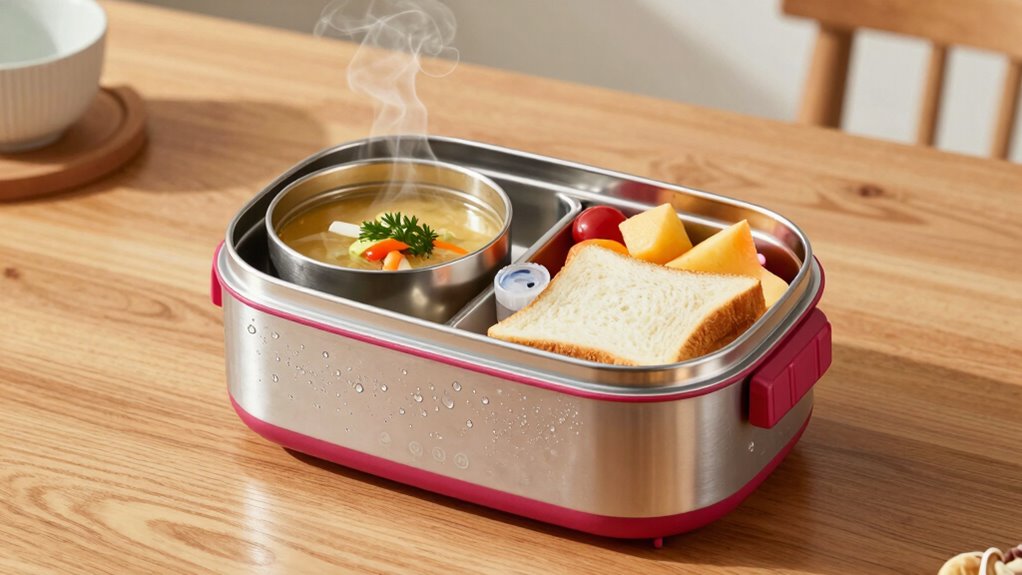
To keep your food safe and fresh throughout the day, it’s essential to maintain proper temperatures—cold foods stay cold, and hot foods stay hot. Effective temperature control relies on choosing the right container materials. Use insulated containers for hot foods, such as stainless steel or thermal flasks, which retain heat longer. For cold foods, opt for containers made of durable, insulated materials that prevent heat transfer, keeping everything chilled. Pre-chill or pre-warm containers before packing, and consider adding ice packs or gel packs to enhance temperature control. Proper container materials help maintain the desired temperature, ensuring your food stays safe to eat and tastes fresh until mealtime. Avoid cheap or non-insulating options, which can compromise food safety and quality. Master Your Smartphone and Accessories can help you select the best containers for your needs. Additionally, choosing containers with proper insulation can significantly improve temperature retention. Regularly checking the temperature of your stored foods can also prevent spoilage and ensure safety. Being aware of temperature maintenance techniques is essential for keeping food safe during long workdays. Selecting high-quality, insulated containers is crucial for maintaining optimal food safety and freshness throughout the day.
As an affiliate, we earn on qualifying purchases.
Choosing the Best Containers and Insulation Materials
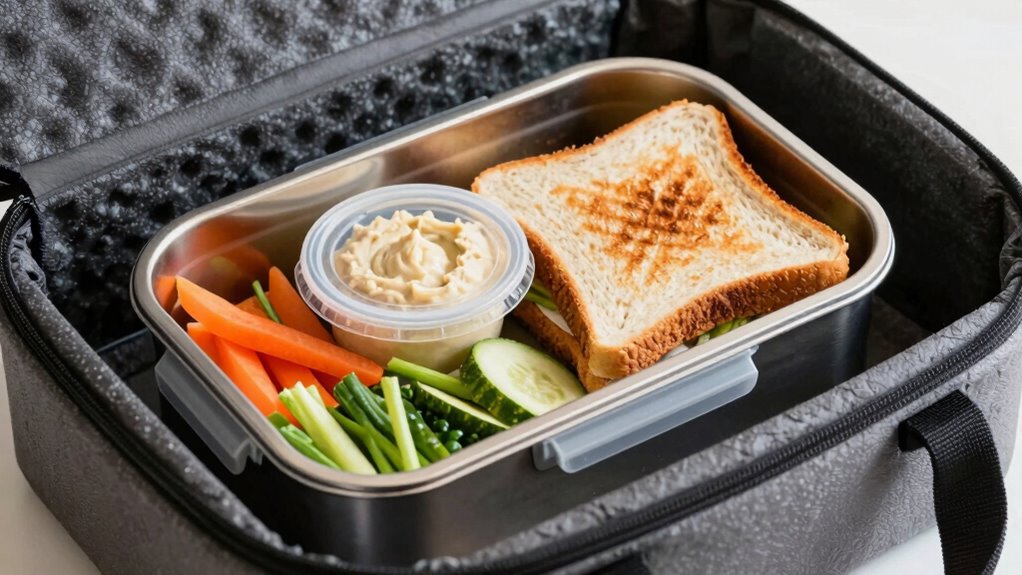
When selecting containers and insulation materials, you need to contemplate their safety and compatibility with your food. The right materials will keep your lunch at the proper temperature without risking contamination. Focus on options that provide effective insulation while ensuring they are safe for everyday use. Additionally, considering material durability can help ensure your containers withstand daily wear and tear over time. Choosing food-safe materials is essential to prevent chemical leaching and ensure your food remains healthy and uncontaminated. Incorporating sustainable options can also contribute to environmentally friendly practices and reduce waste. Being aware of survival-grade materials can further guarantee that your containers are reliable in various situations and resistant to damage. Proper piercing care and hygiene practices in your food containers can prevent infections and maintain freshness over time.
Material Compatibility and Safety
Choosing the right containers and insulation materials is essential for guaranteeing lunchbox safety. You need to select options that won’t undergo material degradation or cause chemical reactions that could contaminate your food. Materials like certain plastics or metals may degrade over time or react with acidic foods, releasing harmful substances. Look for containers labeled as food-safe, BPA-free, and made from non-reactive materials like stainless steel, glass, or high-quality plastics. Avoid containers with cracks or discoloration, as these can indicate deterioration. Also, check that insulation materials are compatible with your chosen containers to prevent chemical interactions. Being aware of thermal behavior and how materials respond to temperature changes can help prevent degradation over time. Additionally, understanding material compatibility helps prevent cross-contamination and preserves food quality. By prioritizing material compatibility and safety, you minimize risks of contamination and ensure your lunch remains fresh and safe to eat.
Insulation Effectiveness
Selecting the right containers and insulation materials is essential for maintaining food temperature and freshness. To minimize thermal transfer, choose containers with effective insulation layers that slow heat exchange between your lunch and the outside environment. Insulation layers made from foam, vacuum-sealed panels, or thermal gels can greatly enhance insulation effectiveness, keeping hot foods hot and cold foods cold longer. Avoid thin or single-layer containers that allow rapid temperature changes. Double-walled containers offer better insulation by reducing thermal transfer, while insulated lunch bags with reflective linings add an extra barrier. Proper insulation helps prevent spoilage by maintaining a stable temperature, so invest in quality materials suited to your needs. Utilizing smart home technology such as temperature sensors can help monitor your food’s environment and ensure it remains at a safe temperature until mealtime. This way, your food stays fresh, safe, and enjoyable until mealtime.
food-safe glass lunch containers
As an affiliate, we earn on qualifying purchases.
As an affiliate, we earn on qualifying purchases.
Packing Perishable Items Safely to Avoid Spoilage
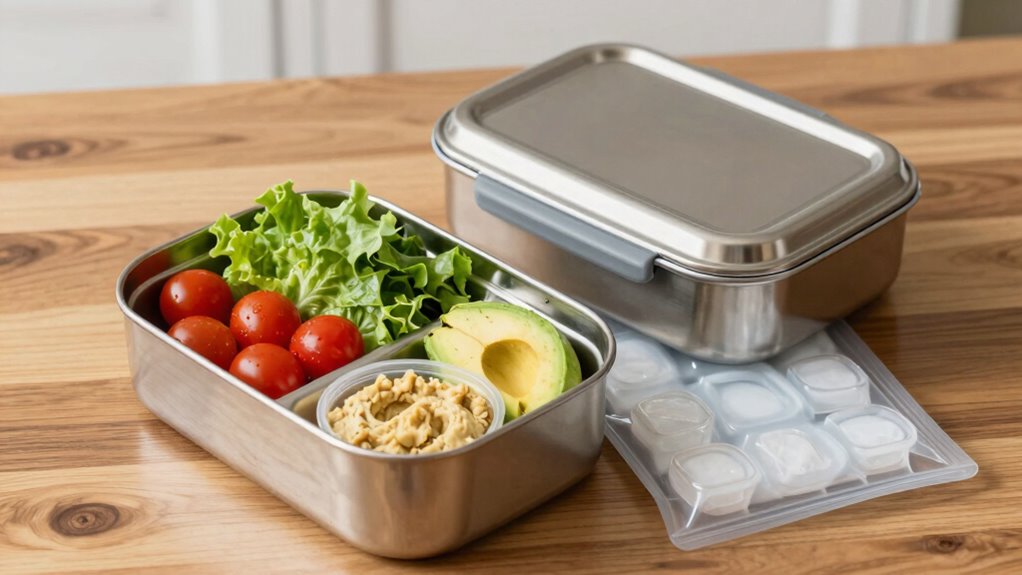
To keep your perishable items fresh, always maintain proper temperature control in your lunchbox. Use the right food containers that help preserve the temperature and prevent leaks. This is especially important when using smart appliances that can monitor and adjust internal conditions to keep food at optimal safety levels. Additionally, selecting appropriate air quality measures can help reduce exposure to airborne contaminants that may accelerate spoilage. Implementing advanced nanomaterials in packaging can further enhance barrier properties against microbes and gases, extending shelf life. Incorporating temperature monitoring devices can provide real-time data to ensure your food stays within safe temperature ranges throughout the day. Understanding food safety standards can also guide you in choosing the best packing methods and materials.
Proper Temperature Control
Keeping perishable items at the right temperature is essential to guarantee spoilage and assure food safety. To do this, use effective refrigeration techniques, such as placing items in an insulated lunchbox with an ice pack or a thermal bag. Regular temperature monitoring helps you confirm that your food stays within the safe range, ideally below 40°F (4°C). Check the temperature of your ice packs and replace or refreeze them as needed throughout the day. Avoid leaving perishable foods at room temperature for extended periods, especially in warm environments. Proper temperature control prevents bacterial growth and spoilage, keeping your lunch fresh and safe to eat when it’s time for your break. Staying vigilant about temperature control is key to maintaining food safety.
Use Appropriate Food Containers
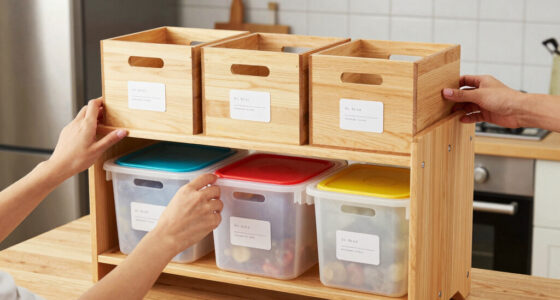
Using the right food containers is crucial for keeping perishable items safe and preventing spoilage. Choose reusable containers made from BPA-free options to avoid harmful chemicals leaching into your food. These containers help maintain proper temperature and prevent leaks that could cause spoilage or contamination. Select containers with tight-fitting lids to keep air out and maintain freshness. Clear containers make it easy to see what’s inside, reducing the risk of forgetting or leaving food out too long. Avoid single-use plastic bags or cheap containers that may crack or stain over time. Investing in high-quality, BPA-free reusable containers ensures your food stays fresh longer and reduces waste. Proper container choice is a simple yet effective step toward safe, delicious lunches every day.
Essential Food Safety Tips for Preparing and Handling Lunches
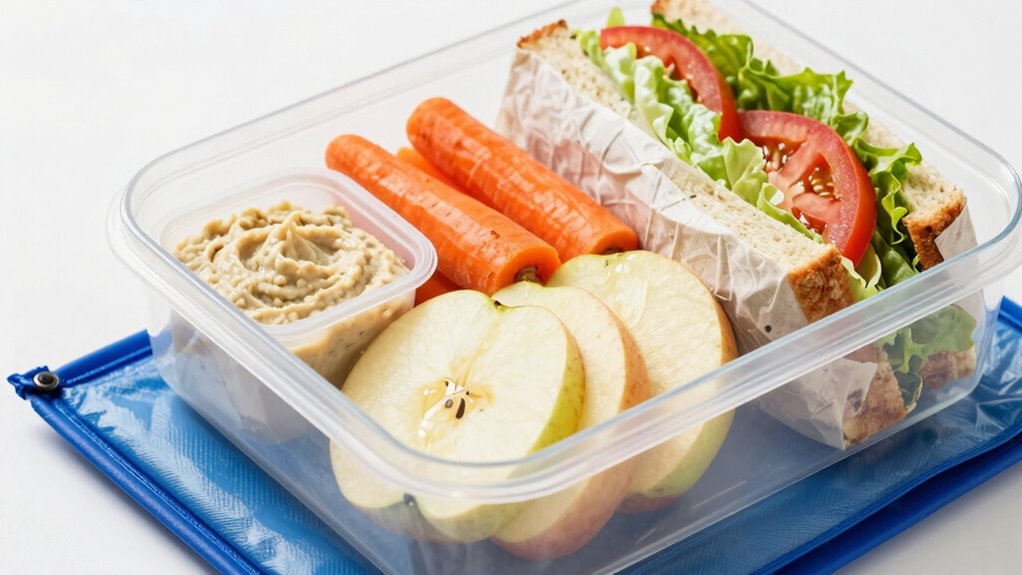
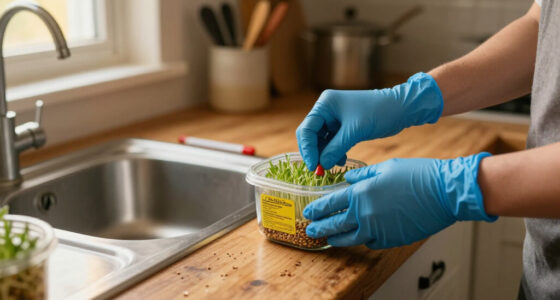
Ensuring food safety when preparing and handling lunches is essential to prevent foodborne illnesses. To do this, you must minimize bacterial growth by keeping perishable foods cold until ready to eat. Always wash your hands thoroughly before handling food, and use clean utensils and cutting boards to avoid cross contamination between raw ingredients and ready-to-eat items. Keep raw meats separate from fruits and vegetables to prevent harmful bacteria from spreading. Store foods at the correct temperatures—below 40°F for refrigeration—and avoid leaving lunches out at room temperature for extended periods. Proper hygiene and temperature control are key to preventing bacterial growth and cross contamination, ensuring your packed lunch stays safe and fresh until mealtime.
Troubleshooting Common Lunch Spoilage Problems and How to Fix Them
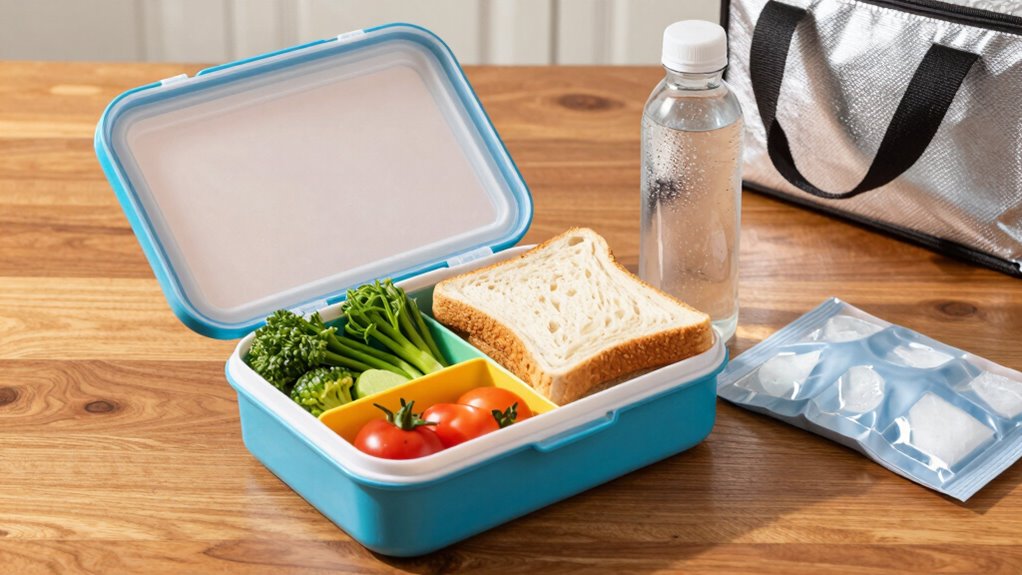
Even with proper food safety practices, lunch spoilage can still occur if certain problems aren’t addressed quickly. One common issue is forgotten or unclear lunchbox labels, which can lead to eating expired or unsafe food. Always label your containers with the date you packed them, so you know when to toss leftovers. If your lunch gets warm or starts to spoil, use reusable ice packs to keep perishable items cold. Check regularly for any signs of spoilage, like sour smell or slimy texture, and discard questionable foods immediately. Properly labeling and chilling items prevent bacteria growth. When you notice spoilage, clean your lunchbox thoroughly before packing fresh food. These quick fixes help ensure your lunch stays safe and fresh until mealtime.
Frequently Asked Questions
How Long Can I Store Lunch Leftovers Safely at Work?
You should store lunch leftovers at work for no more than 2-3 days to guarantee safety. Proper food storage and temperature control are essential; keep items refrigerated at or below 40°F (4°C) to prevent bacteria growth. Use an insulated lunchbox with an ice pack if refrigeration isn’t available. Always check leftovers for signs of spoilage before eating, and when in doubt, throw it out to stay safe.
Are Reusable Containers Safer Than Disposable Ones for Packed Lunches?
Reusable containers are like loyal guardians, often safer than disposables because they’re built to last and resist leaks. They reduce environmental impact, cutting down on waste and pollution. Plus, over time, they’re more cost-effective, saving you money compared to constantly buying disposables. You get peace of mind knowing your food stays secure, and your habits support a healthier planet—making reusable containers a smart, eco-friendly choice for your packed lunches.
What Are the Signs That My Food Has Gone Bad?
You’ll notice food spoilage indicators like a sour smell, slimy texture, or unusual color changes, which signal bacterial growth. If your food develops mold or an off-putting odor, it’s best to discard it. Always check for any bubbles or fermentation signs, as these also indicate bacterial activity. Trust your senses—if something seems off, don’t risk eating it, as consuming spoiled food can cause illness.
Can I Pack Fresh Salads Without Risking Spoilage?
Yes, you can pack fresh salads without risking spoilage if you focus on freshness preservation. Keep the salad and dressing separate until you’re ready to eat, as this prevents sogginess. Use an insulated lunchbox and include an ice pack to maintain cool temperatures. Follow salad dressing tips by packing dressing in a small container and adding it just before eating. This way, your salad stays fresh and crisp all day.
How Do I Prevent Cross-Contamination in My Lunchbox?
To prevent cross-contamination in your lunchbox, wash your hands thoroughly before packing food, and guarantee utensils are clean. Use separate containers for raw and cooked foods, and keep items like salads apart from meats or dairy. Regularly clean your lunchbox, especially compartments that hold different foods. By practicing good hand hygiene and maintaining utensil cleanliness, you minimize the risk of bacteria transfer, keeping your lunch safe to enjoy.
Conclusion
By taking simple steps to keep your lunch safe, you can enjoy fresh, delicious meals every day. Think of your lunchbox as both a fortress and a haven—protecting your food from spoilage while preserving its flavors. When you pack wisely and handle foods carefully, you prevent waste and illness. So, next time you prepare your lunch, remember: a little effort today keeps your food safe and satisfying tomorrow. Your taste buds will thank you.
Halloween Picks
halloween
As an affiliate, we earn on qualifying purchases.