
TL;DR

Get kitchen gear delivered free with Prime
- Fast, free delivery on millions of items
- Prime Video, Amazon Music and more included
- Member-only deals all year
California is considering a ban on producing quartz countertops because silica dust released during fabrication can cause silicosis. The proposal still needs a vote, and Good Housekeeping says its lab tests found silica-free quartz products and other countertop materials that performed well.
California is considering a ban on quartz countertop production because cutting and fabricating the engineered stone can release crystalline silica dust, which can cause the incurable lung disease silicosis. The proposal has not yet taken effect and still needs a vote, while Good Housekeeping reports that its Home Improvement & Outdoor Lab has tested silica-free quartz surfaces and other alternatives that performed well.
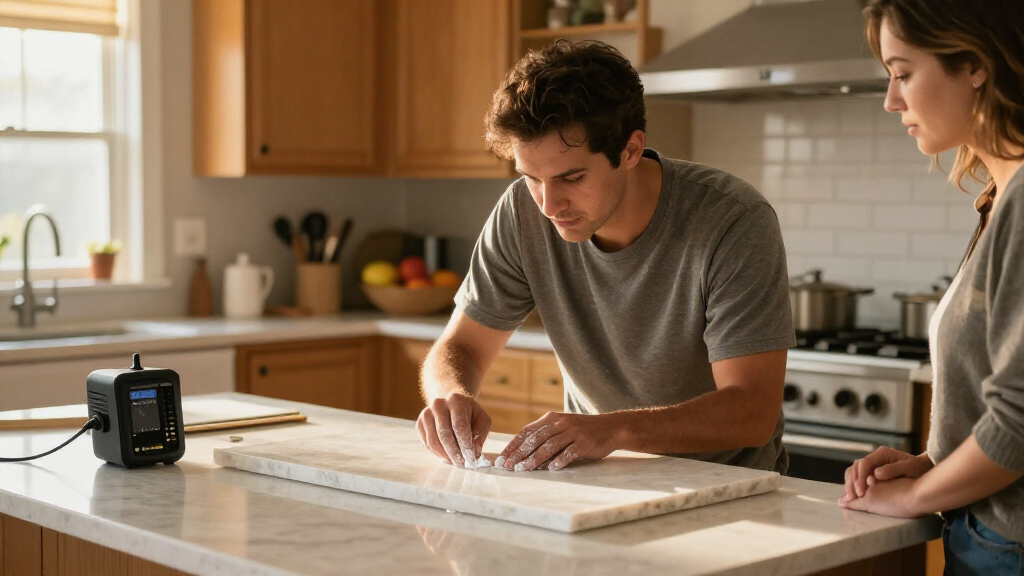
Quartz countertops are made with crystalline silica. During fabrication and installation, cutting slabs can release fine particles into the air if workers do not use protective practices. The report says wet cutting and adequate ventilation can help limit exposure. Inhaled silica particles can lodge in the lungs and cause scarring associated with silicosis, a chronic, incurable disease.
The report distinguishes that workplace hazard from having an installed countertop: it says silica dust is not a safety concern once the surface is installed. The proposed California measure concerns production, but the supplied report does not detail its proposed scope, exemptions or implementation timeline.
Good Housekeeping says its experts tested two silica-free quartz products. Neolith’s silica-free surface passed the lab’s performance tests for stain resistance, heat and scratches; the report says the lab reviewed independent testing of its formulation and checked third-party safety and environmental certifications. Caesarstone’s ICON, introduced in 2025, later received a 2026 Good Housekeeping Kitchen Award, with the report citing strong stain, scratch and heat resistance in tests.
Worker Safety and Remodeling Choices
A production ban could affect countertop manufacturers, fabricators and installers, as well as homeowners planning renovations. Its immediate implications would depend on what the proposal covers and how it is implemented—details that are not provided in the source report. The underlying concern is occupational exposure during processing, rather than routine use of an installed countertop.
The reported test results give consumers alternatives to consider without treating every material as identical. Good Housekeeping says silica-free quartz surfaces performed well in its lab, while porcelain and natural stone offer other options. Materials differ in appearance, care needs and suitability for use; the report, for example, notes that marble requires more care because it is porous.
Products Worth Considering

KitchenAid Classic Series 4.5-Quart Tilt-Head Stand Mixer, Onyx Black

Traeger Pro 22 Wood Pellet Grill and Smoker, 572 sq. in.

Jura E6 Automatic Espresso Machine, Piano Black (15622)
As an affiliate, we earn on qualifying purchases.
Silica Exposure During Fabrication
Quartz became a popular countertop choice over the past two decades because of its design range, durability and ease of maintenance, according to Good Housekeeping. Its production involves cutting slabs to size, a process that can create airborne silica dust. The report says safe work practices, including wet cutting and adequate ventilation, can reduce that exposure.
The testing covered options beyond silica-free quartz. Good Housekeeping reports that Caesarstone porcelain resisted tough stains in its tests and can be used outdoors because of its resistance to ultraviolet light and temperature extremes. It also lists granite, marble and quartzite as natural-stone choices, with prices of $50 to $130 per square foot. The report notes that natural stone needs more attentive care, particularly marble.
““once quartz countertops are installed in a home, there are no longer any safety concerns related to silica dust.””
— Good Housekeeping report
Proposal Details Still Pending
The source says the California ban still needs to be voted on, but does not identify the bill, its sponsors, its legislative stage or a scheduled vote. It also does not specify whether the proposal would prohibit manufacturing only, restrict sales, include exemptions, or set a phase-in period. Those details are needed to assess how manufacturers, workers and buyers could be affected.
The supplied report describes Good Housekeeping’s product testing but does not provide detailed test protocols, numerical results or a full list of the certifications reviewed. Its findings should be understood as the publication’s assessment of particular products, not a ruling on every silica-free surface or a substitute for workplace safety rules.
A Vote Will Set the Course
The next key development is whether California lawmakers vote on and advance the proposal. The source report gives no date or further legislative timetable. If the measure proceeds, its final text would clarify which products and parts of the supply chain are covered, as well as any compliance deadlines.
For now, homeowners can compare silica-free quartz, porcelain and natural stone based on their budget and maintenance preferences. Workers involved in countertop fabrication still face the separate need for effective controls against airborne dust; the report identifies wet cutting and adequate ventilation as safe practices.
Key Questions
Has California banned quartz countertops?
No. The source report says the proposal still needs a vote before it can take effect. It does not provide a vote date or further details about the legislation.
Why is California considering a production ban?
Cutting and fabricating quartz can release crystalline silica dust. Inhaling silica can damage the lungs and lead to silicosis, a chronic, incurable disease.
Are installed quartz countertops a silica-dust hazard?
Good Housekeeping says there are no silica-dust safety concerns once a countertop is installed. The reported risk is associated with dust created during fabrication and installation work.
Which alternatives did Good Housekeeping test?
The report says the lab tested Neolith’s silica-free surface and Caesarstone’s ICON silica-free countertop. It also reports favorable stain testing for Caesarstone porcelain and discusses natural stone options.
What should homeowners know about natural stone?
The report lists granite, marble and quartzite at about $50 to $130 per square foot. Natural stone can require more care than quartz, especially marble, which the report describes as highly porous.
Source: goodhousekeeping.com