To get that satisfying crunch without wheat flour, focus on selecting the right gluten-free ingredients like rice or chickpea flour and incorporate starches such as cornstarch and tapioca starch for extra crispiness. Use proper frying techniques with hot oil, or bake at the right temperature, ensuring foods are dry and lightly coated. Double-coating and adding crunchy toppings can boost texture. Keep experimenting with these tips, and you’ll discover how to achieve perfect crunch every time.
Key Takeaways
- Use gluten-free flours like rice, chickpea, potato, or almond flour combined with starches such as cornstarch or tapioca starch for crisp coatings.
- Incorporate small amounts of baking powder or baking soda to enhance crunch without wheat-based ingredients.
- Properly dry ingredients and preheat oil or oven to ensure a crispy exterior and prevent sogginess.
- Double-coat foods with gluten-free panko or a seasoned batter for extra texture and crunch.
- Maintain precise cooking temperatures and avoid overcrowding to develop a golden, crispy crust without wheat flour.
As an affiliate, we earn on qualifying purchases.
How to Make Gluten-Free Foods Crispy and Crunchy
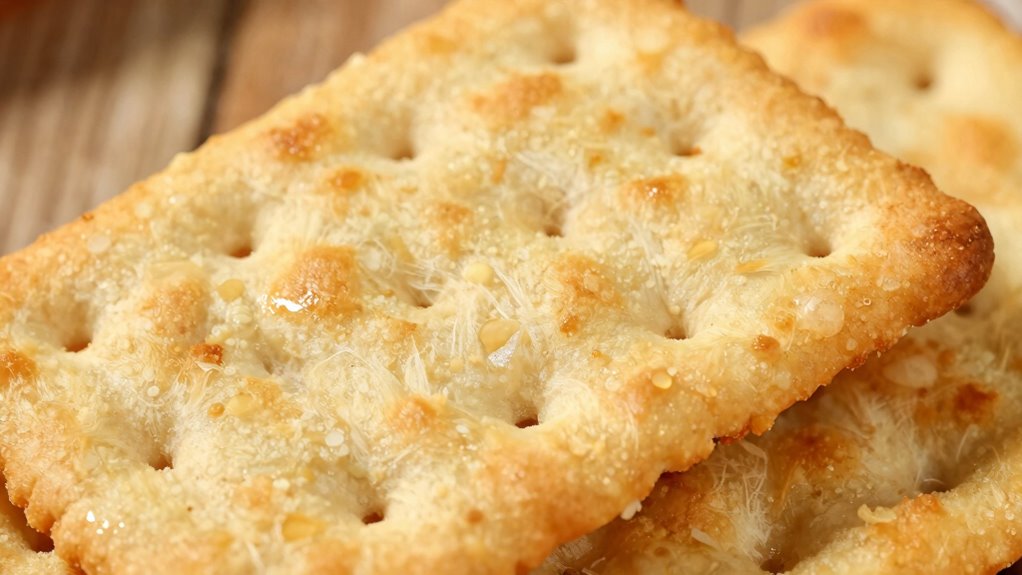
Achieving a crispy and crunchy texture in gluten-free foods can be challenging, but with the right techniques, you can enjoy satisfying results. To do this, focus on using effective crispy coating techniques that enhance texture. Start by choosing gluten-free flours like rice, potato, or chickpea, which can create a crisp crust. Dipping your ingredients in beaten egg or dairy before coating helps the crumbs stick better and adds crunch. For extra crispiness, consider double-coating or adding a small amount of cornstarch or tapioca starch. When baking or frying, ensure your oil is hot enough to crisp the exterior quickly, preventing sogginess. Incorporating these tips into your gluten free snacks will help you achieve a satisfying, crunchy texture every time. Proper frying temperature is essential to prevent sogginess and ensure a crisp exterior.
As an affiliate, we earn on qualifying purchases.
Why Achieving Crispy Gluten-Free Textures Matters

Achieving crispy gluten-free textures considerably improves the overall food experience, making dishes more satisfying and enjoyable. When foods are crispy, they feel more appealing and help you better appreciate the flavors. Plus, mastering this technique encourages you to get creative in the kitchen, experimenting with new recipes and ideas. For example, understanding culinary techniques can help you develop better methods for achieving perfect crunch without wheat flour. Exploring alternative breading and coating methods can further enhance texture and crispiness in gluten-free dishes. Additionally, familiarizing yourself with gluten-free ingredient substitution can help create more consistent and delightful textures in your recipes. Incorporating proper frying techniques can also contribute significantly to achieving that ideal crispy exterior. Moreover, selecting the right cooking oils can influence the texture and overall crunchiness of your dishes.
Enhances Food Texture
Because texture plays an essential role in how we enjoy food, achieving a crispy gluten-free texture is indispensable for satisfying dishes. When you use gluten-free grains like rice, millet, or quinoa, you can create a variety of textures that mimic traditional crunch. Crispy foods enhance mouthfeel, making each bite more enjoyable and adding depth to your dishes. Additionally, achieving the right crispiness helps with food preservation by reducing moisture, which can cause spoilage. This is especially important in gluten-free baking and frying, where maintaining texture is challenging but key. By focusing on texture, you guarantee that your gluten-free creations are not only tasty but also have a satisfying, well-rounded mouthfeel that keeps your dishes fresh and appealing longer. Incorporating innovative cooking techniques can further improve crispiness and overall food quality.
Boosts Eating Experience
Crispy textures do more than just improve food appearance; they substantially elevate your overall eating experience. When you enjoy gluten free snacks with crispy coatings, you get that satisfying crunch that makes each bite more enjoyable. Achieving a perfect crispy coating enhances flavor and creates a pleasing contrast to tender or soft ingredients, making every mouthful exciting. This textural contrast keeps you engaged and prevents eating from feeling monotonous. Crispy foods also stimulate your senses, increasing satisfaction and making snacks more tempting. Texture perception plays a crucial role in how we perceive the overall quality of food, which is why crispiness is so desirable. Incorporating crispiness as a sensory attribute can significantly influence how much we enjoy a dish. Understanding how texture affects perception can help in designing foods that maximize enjoyment. For example, employing appropriate cooking techniques can help achieve consistent crispiness throughout the dish. Ultimately, crispy coatings turn ordinary ingredients into memorable, crave-worthy treats.
Encourages Culinary Creativity
When you master the art of creating crispy gluten-free foods, you open up a world of culinary possibilities. Achieving the perfect crunch pushes you to experiment with different ingredients and techniques, fueling your culinary innovation. Gluten free baking challenges you to think beyond traditional wheat-based recipes, inspiring creative solutions to replicate textures and flavors. This process encourages you to explore alternative flours, binding agents, and cooking methods, expanding your skill set. As you develop crispy, gluten-free dishes, you gain confidence to craft unique recipes that impress friends and family. Ultimately, mastering gluten-free crispiness transforms your kitchen into a laboratory of flavor and texture, empowering you to push boundaries and elevate your cooking creativity.
gluten-free starches for crispiness
As an affiliate, we earn on qualifying purchases.
As an affiliate, we earn on qualifying purchases.
Essential Ingredients for Crispy Gluten-Free Dishes
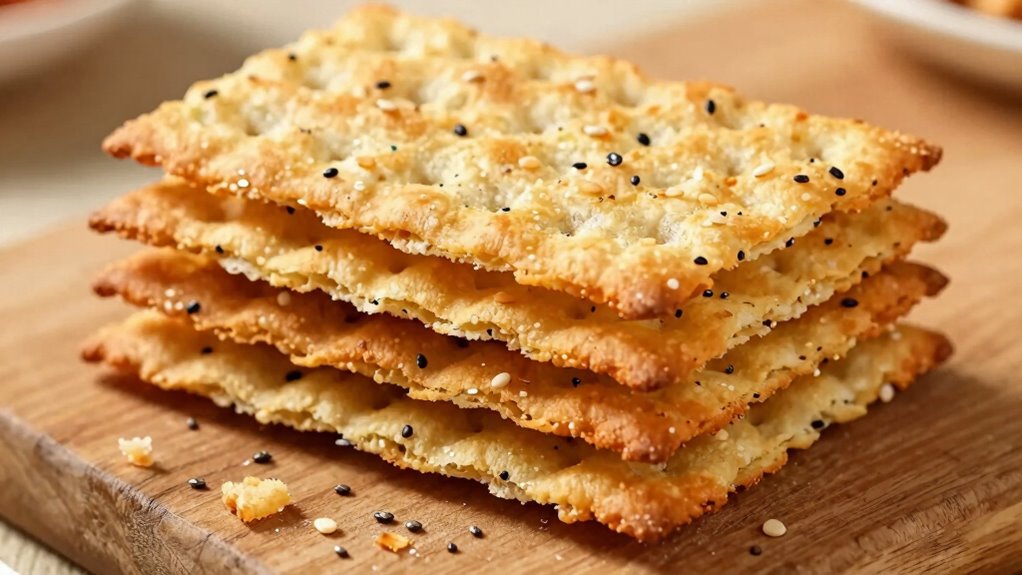
Achieving the perfect crispy texture in gluten-free dishes hinges on selecting the right ingredients. To get that satisfying crunch, use gluten free bread as a base or coating, which adds structure without wheat. Crispy vegetable chips are also excellent for adding texture and flavor, especially when baked or fried to golden perfection. Incorporate ingredients like rice flour, cornstarch, or gluten-free panko for coating and frying; they create a light, crispy exterior. Additionally, a touch of baking soda or baking powder can enhance the crunch. Using these ingredients ensures your dishes not only meet gluten-free needs but also deliver that desirable crispiness. Focus on textures and avoid overly moist ingredients that can soggify your food, keeping your dishes delightfully crunchy.
As an affiliate, we earn on qualifying purchases.
Best Flours and Starches for Crunchy Results
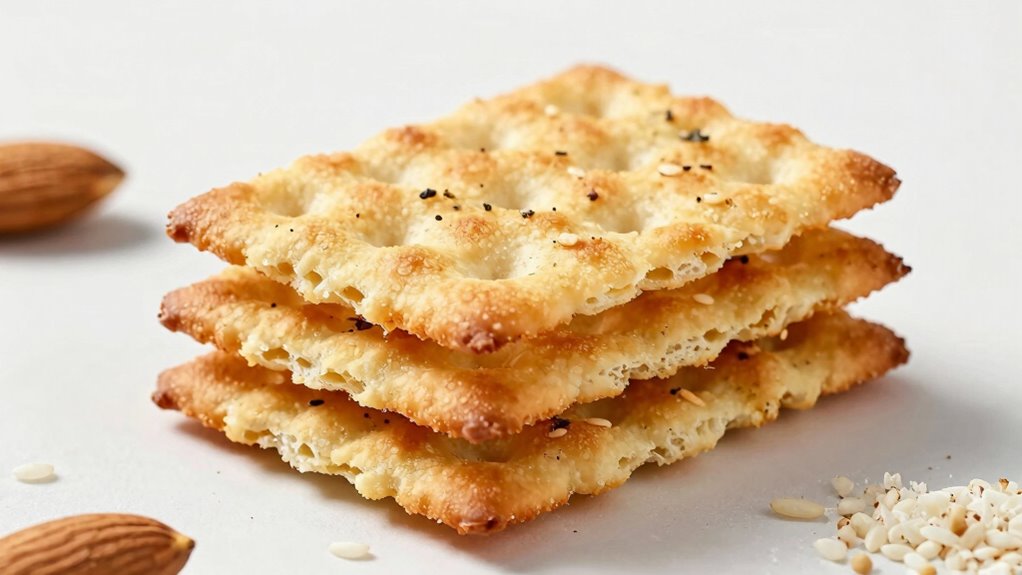
Choosing the right flours and starches is essential for creating a satisfyingly crunchy gluten-free dish. When selecting your grain substitution, consider how flavors will pair—almond flour offers nuttiness, while coconut adds sweetness. Starches like potato or tapioca enhance crispiness without overpowering the dish’s flavor. Use the table below to explore options:
| Flour/Starch | Best use case | Flavor pairing |
|---|---|---|
| Almond Flour | Coatings, batter, baked goods | Nuts, vanilla, spices |
| Rice Flour | Frying, breading | Light, neutral, mild sweetness |
| Tapioca Starch | Extra crunch in crusts and coatings | Mild, slightly sweet taste |
Mixing these can give you the perfect balance of texture and flavor, ensuring crunch without wheat flour.
How to Use Cornstarch and Tapioca for Extra Crispiness
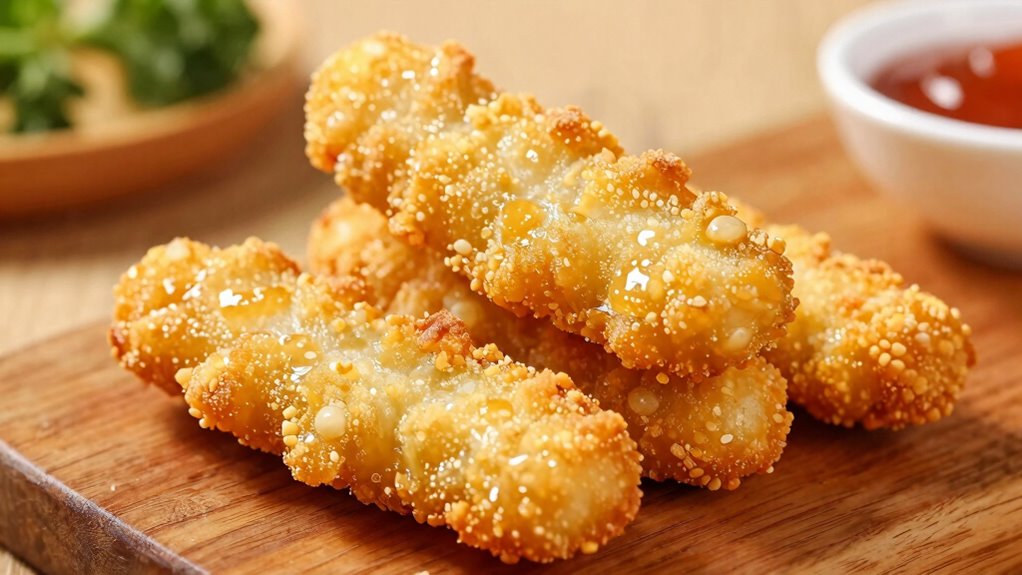
Adding cornstarch and tapioca can markedly boost the crispiness of your gluten-free dishes. These starches create a light, crunchy texture that holds up well during cooking. Try incorporating them into your batter or coating for an extra crunch that impresses every time. Additionally, using high-tech vaping innovations in your cooking tools, such as digital thermometers, can help ensure perfect crispiness. Employing precise temperature control techniques can further optimize texture and prevent overcooking. Incorporating passive voice detection tools can also assist in refining your writing for clarity and engagement, much like how smart home automation systems can optimize cooking environments for consistent results. Being aware of ingredient interactions can also help you tweak your recipes for optimal crispiness and flavor.
Crispiness Boosts With Cornstarch
To boost the crispiness of your gluten-free foods, incorporating cornstarch or tapioca starch into your batter or coating is a game-changer. These starches create a light, crunchy exterior that elevates your crispy coating techniques and enhances gluten free baking results. When using cornstarch, you’ll achieve a delicate, crackly crust that holds up well during frying or baking.
Consider these tips:
- Use a 1:1 ratio of cornstarch to gluten-free flour for a crisp, even coating.
- Dust foods lightly with cornstarch before frying to prevent sticking.
- Combine cornstarch with spices for flavorful crunches.
- Avoid overloading your batter with starches to maintain balance and texture.
Incorporate cornstarch thoughtfully for the ultimate crispy finish every time.
Tapioca for Texture Enhancement
Tapioca starch is a fantastic ingredient for enhancing the crispiness of your gluten-free dishes, especially when combined with cornstarch. In gluten-free baking, texture improvements are key to achieving that satisfying crunch. Tapioca creates a light, chewy, and crisp exterior, making your dishes more appealing. To use it effectively, mix tapioca starch with other gluten-free flours or starches, aiming for a balanced ratio that boosts crunch without making your food gummy. It works well in coatings, batters, and crusts, providing a desirable texture. When combined with cornstarch, tapioca helps create a more even, crispy crust that stays crunchy longer. Incorporating starch properties into your technique can help you refine your approach for even better results. Incorporate tapioca strategically in your recipes, and you’ll notice a significant improvement in the overall texture and mouthfeel of your gluten-free baked goods.
How to Prepare and Cook Gluten-Free Coatings for Maximum Crunch
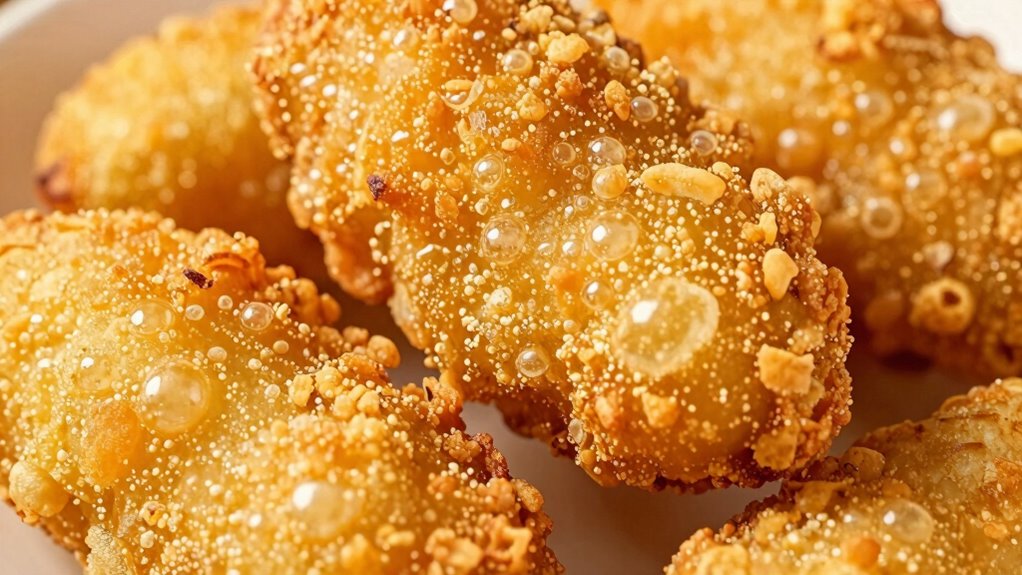
Achieving a crispy gluten-free coating starts with selecting the right ingredients and mastering the cooking technique. To create irresistible gluten free crusts, focus on effective coating techniques that lock in crunch. First, guarantee your ingredients are dry to help coatings adhere better. Next, lightly dip your food in eggs or a dairy-free alternative to improve adhesion. Then, coat generously with a mixture of gluten-free flours and crunchy add-ins like crushed nuts or gluten-free breadcrumbs. Finally, cook using high heat to develop a golden, crunchy exterior without burning.
- Use a double-dip process for extra crunch
- Opt for panko-style gluten-free breadcrumbs for lightness
- Incorporate cornstarch or rice flour for crispness
- Preheat your oven or oil for immediate sizzle and crunch
Tips for Perfect Frying and Baking of Gluten-Free Foods
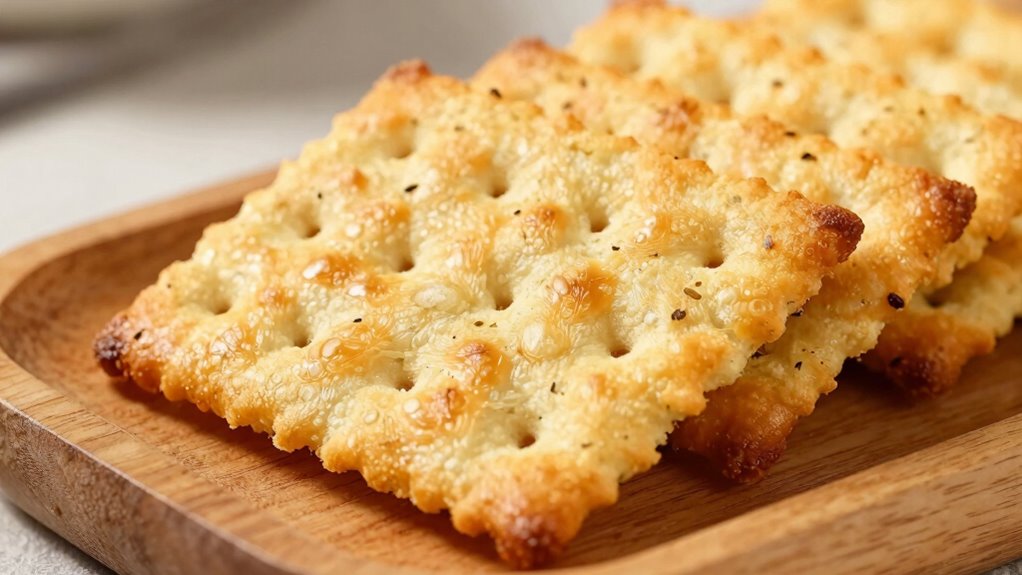
Getting your oil to the right temperature is key for crispy gluten-free foods. Make sure your coating is even and adheres well before frying or baking. Paying attention to these details will help you achieve that perfect, crunchy texture every time. Additionally, using the correct cooking temperatures can also prevent over- or under-cooking, leading to more consistent crispiness. Ensuring proper oil temperature management is essential for optimal results. Being mindful of cooking temperatures can also prevent over- or under-cooking, leading to more consistent crispiness. For best results, monitor your thermal control techniques to maintain consistent heat during cooking. Proper temperature monitoring can help you avoid fluctuations that compromise texture and crispiness.
Optimal Oil Temperatures
To guarantee your gluten-free foods turn out crispy and delicious, maintaining the right oil temperature is essential. Proper oil temperature ensures even frying and prevents sogginess. When frying, aim for an oil temperature between 350°F and 375°F—too hot, and your coating burns; too cold, and it absorbs excess oil. Use a thermometer to monitor the heat consistently. Mastering frying techniques involves adjusting heat as needed and avoiding overcrowding the pan. Keep these tips in mind:
- Achieve a consistent temperature for perfect crispiness
- Avoid overcrowding to prevent temperature drops
- Use a thermometer for precise control
- Adjust heat to maintain ideal oil temperature
- Understanding Gold IRA markets can help you better control your cooking environment for optimal results. Being familiar with cooking techniques can further enhance your ability to produce evenly cooked, crispy gluten-free dishes. Staying attentive to oil temperature guarantees your gluten-free creations stay crunchy and flavorful every time.
Proper Coating Techniques
The key to perfectly crispy gluten-free fried or baked foods starts with the right coating technique. Your goal is to achieve even coating adhesion, which depends on proper breading techniques. First, guarantee your ingredients are dry before coating to help the batter or breading stick better. Use a three-step process: dip your food in a seasoned flour or gluten-free batter, then into an egg wash or a binder, and finally into your breading mixture. Press the coating gently to secure it. For ideal coating adhesion, avoid overcrowding the pan, which can cause sticking or uneven coating. Consistent pressure and a light hand help create a uniform, crispy crust. Mastering these coating techniques will elevate your gluten-free dishes to a satisfying crunch every time.
Common Mistakes That Prevent Crispy Gluten-Free Results
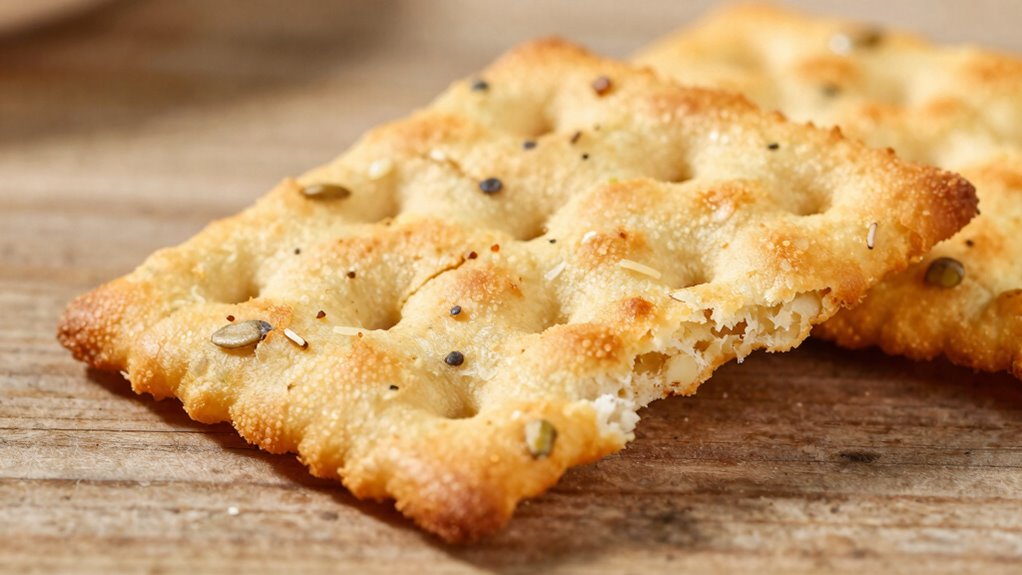
One common mistake that prevents crispy gluten-free foods is using the wrong type of flour or starch. Many believe all gluten-free flours are interchangeable, but this is a gluten free myth that affects texture perception. Using the wrong base can lead to soggy or dense results.
Using the wrong gluten-free flour or starch can ruin your crispy texture.
- Relying solely on rice flour, which can produce a crumbly texture instead of crispiness
- Ignoring the importance of combining starches like tapioca or potato for better crunch
- Skipping the necessary adjustments in moisture or fat content, resulting in uneven crispness
- Overmixing batter, which can break down delicate structure and hinder crunchiness
Avoid these mistakes to achieve that perfect crispy bite. Focus on the right ingredients and techniques to break free from gluten free myths and elevate your gluten-free crispy foods.
Simple Recipes for Crispy Gluten-Free Snacks and Bites
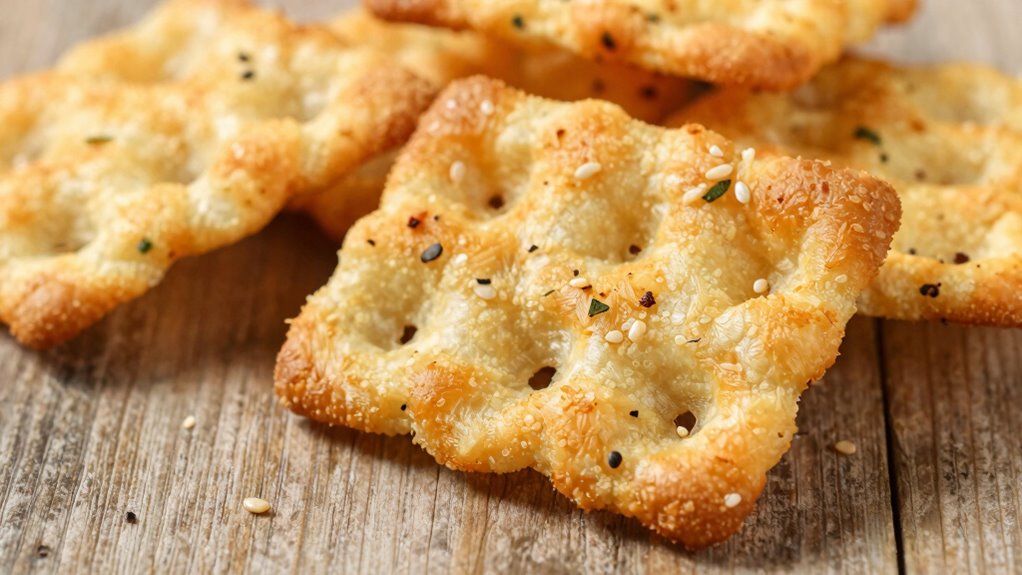
Crispy gluten-free snacks and bites are easier to make than you might think, especially when you choose simple recipes that focus on the right ingredients and techniques. Start with gluten free snack ideas like chickpea puffs, rice cakes topped with seeds, or veggie chips. To achieve a satisfying crunch, master crispy coating techniques such as double-dipping in egg wash and seasoned gluten-free flour or using a cornstarch or arrowroot powder mixture. These methods create a crispy exterior without wheat flour, ensuring your snacks are both delicious and gluten-free. Keep your ingredients minimal and your process straightforward to ensure consistent results. With the right approach, you can whip up tasty, crispy bites at home that satisfy your craving for crunch without sacrificing your dietary needs.
Troubleshooting: Achieving the Perfect Crunch Every Time
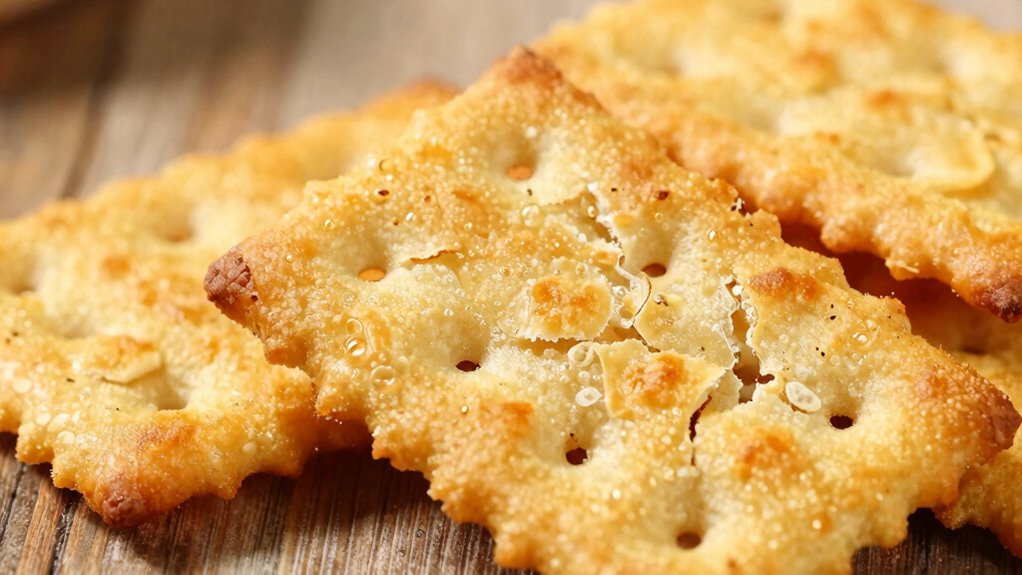
Even when you follow the best recipes, achieving that perfect crispy texture can sometimes be challenging. To troubleshoot, focus on key factors like seasoning tips and storage solutions. Make sure your food is dry before frying or baking—moisture hampers crunch. Experiment with different seasoning tips to boost flavor and crispiness, like a light dusting of cornstarch or rice flour. Store leftovers in airtight containers with a paper towel to absorb excess moisture, preventing sogginess. Also, reheat at a high temperature to restore crispness. Remember, small adjustments make a big difference. Don’t get discouraged—perfect crunch is achievable with patience. Keep trying, tweak your methods, and soon your gluten-free snacks will always deliver that satisfying crunch you crave.
Frequently Asked Questions
Can Gluten-Free Foods Be Just as Crispy as Wheat-Based Ones?
Yes, gluten-free foods can be just as crispy as wheat-based ones. You can attain this by using the right gluten-free breading techniques and ingredients like rice flour or cornstarch. For example, crispy vegetable chips showcase how you can get that crunch without wheat. Proper frying or baking methods help guarantee your gluten-free snacks are satisfyingly crunchy, matching the texture of traditional wheat-based options.
Are There Health Benefits to Gluten-Free Crispy Foods?
You might find unexpected health benefits in gluten-free crispy foods. They often promote better digestion since they lack gluten, which can cause inflammation or discomfort for some. Plus, many gluten-free recipes include nutrient-rich ingredients like seeds or vegetables, offering enhanced nutritional benefits. As you enjoy that satisfying crunch, you’re also supporting your gut health and gaining antioxidants and fiber, making your snack both delicious and nourishing.
How Do Storage Methods Affect the Crispiness of Gluten-Free Snacks?
Storage impact considerably affects the crispiness of gluten-free snacks. You should keep them in airtight containers to prevent moisture from seeping in, which can make them soggy. Using moisture control packs helps maintain their crunch, especially if you’re storing for a longer period. Avoid refrigeration, as it introduces humidity, and instead, store snacks in a cool, dry place to preserve their crisp texture.
Can Gluten-Free Coatings Be Used for Grilling or Only Frying?
Think of gluten-free coatings as a versatile suit of armor—you can wear it for various battles. You can absolutely use gluten-free coatings for grilling, not just frying. With proper grilling techniques, these coatings develop a crisp, golden exterior that’s just as satisfying. Just make certain you preheat your grill well, keep the coating’s thickness balanced, and turn frequently to prevent burning, achieving delicious crunch without losing flavor.
What Are Alternative Ingredients for Added Crunch in Gluten-Free Recipes?
You can add crunch to your gluten-free recipes using alternative grains like sorghum, millet, or amaranth, which create a satisfying texture. Incorporate crunchy toppings such as toasted nuts, seeds, or crispy rice for extra crispiness. These alternatives not only boost crunch but also enhance flavor and nutrition, helping you achieve that delightful crispy feel without wheat flour. Try mixing different options to find your perfect gluten-free crunch!
Conclusion
Now that you know the secrets to crispy, gluten-free goodness, you can craft snacks that rival even the crispest Roman helmets. Just remember—using the right flours, starches, and cooking techniques is your chariot to crunchy success. Don’t be discouraged by a few soggy battles; with practice, you’ll conquer the art of crunchy perfection. Soon, your kitchen will be a battlefield where crispy, gluten-free triumphs reign supreme, making every bite a victorious feast.